A Working Framework for Alternative Search Engines You Can Use Instead of Google
/ 7 min read

Summary
About the Usage Figures: Entries are ordered within each section by estimated monthly visits to the named website or subdomain. The practical question is what this changes for SEO, content quality, and AI search visibility.

Most of us open Google by reflex. It is the default setting for how we interact with the internet, and the data backs that up. As of October 2026, Statcounter reports that Google accounts for over 91% of worldwide search engine referrals. It is a powerful tool, but habit is not the same as efficiency. The same pattern also shows up in Working Framework, where the practical question is how the signal becomes visible.
The reality is that a single search box cannot solve every problem. Whether you are looking for a deleted webpage, an image you can legally reuse, or a way to search without being tracked, there are tools designed specifically for those tasks. Moving beyond the default doesn't mean abandoning Google entirely, but rather building a toolkit of engines that serve different purposes.
AI Search and Answer Engines
The shift toward AI has changed search from a list of links into a conversation. These tools are less about finding a website and more about synthesizing information.
1. ChatGPT
With roughly 6 billion monthly web visits as of October 2026, ChatGPT has become a primary destination for those who prefer a dialogue over a keyword search. Its main strength is context. You can ask a complex question, refine the answer, and ask for evidence without having to restart the query from scratch.
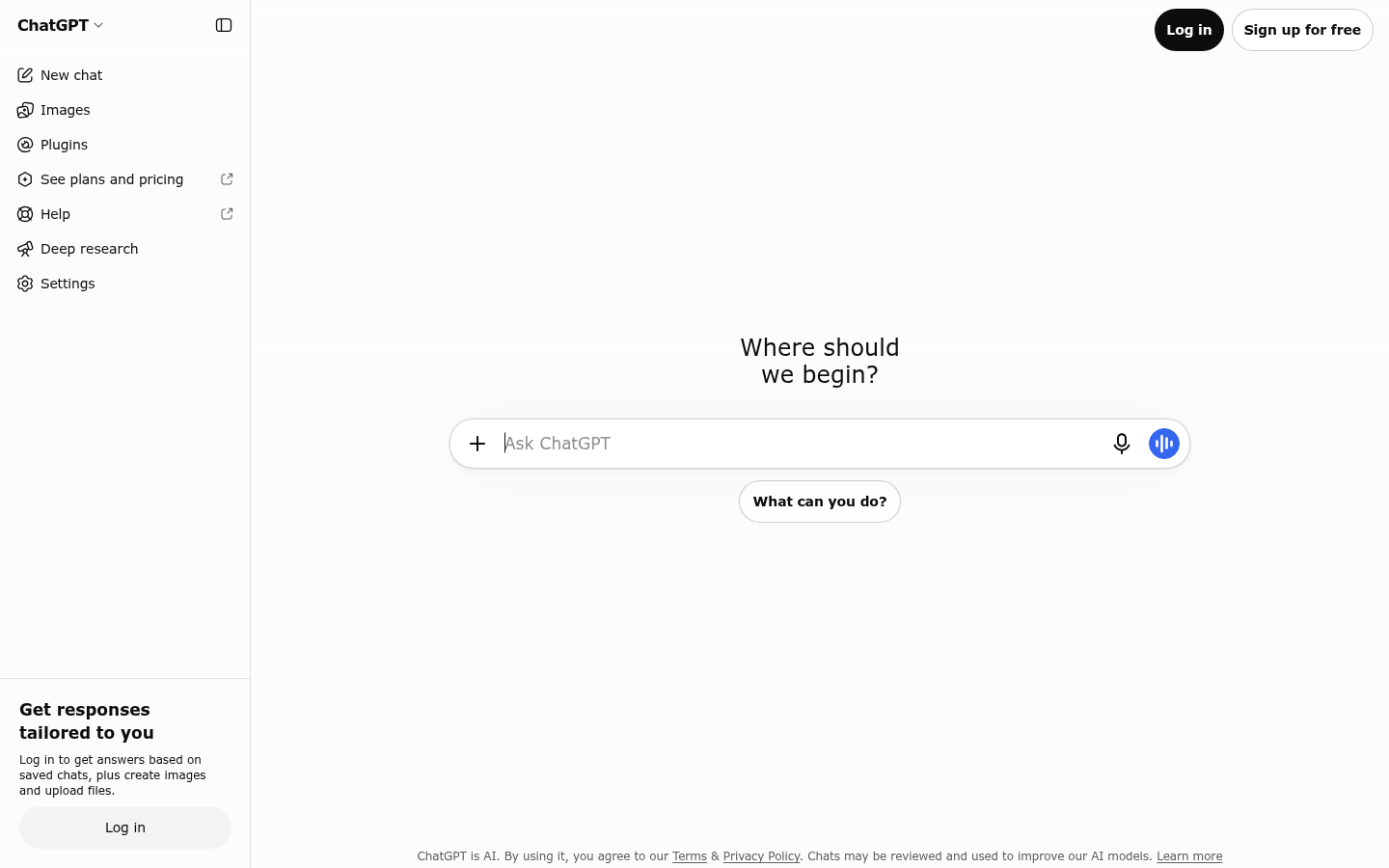
OpenAI's documentation notes that the tool can pull current web data and provide links to sources. While it is available on both free and paid tiers, users should be cautious. AI can misinterpret sources or overlook critical nuances. Because it often relies on other search providers, it isn't a standalone index of the web.
Expert Interpretation: Use ChatGPT for the "working through" phase of research. The tradeoff is accuracy for speed. The decision here is whether you need a definitive fact or a conceptual framework. Always click the citations to verify the original source before relying on the AI's summary. This connects with Working Framework when the same signal needs a clearer operating decision. A useful companion note is Working Framework, because it looks at a nearby part of the same system.
2. Perplexity
Perplexity focuses on source backed answers. Rather than giving you a list of pages to click through, it provides a synthesized overview with a clear trail of citations. Its Pro Search feature can execute multiple queries simultaneously to build a complete answer.

Depending on your plan, you can restrict searches to specific domains, such as academic or financial papers. However, the presence of links does not eliminate the risk of hallucinations. It is a way to enter a topic quickly, not a replacement for reading the primary evidence.
Expert Interpretation: For those in SEO or marketing, Perplexity serves as a low cost testing ground for AI visibility. Instead of looking at total traffic, look at which pages are being cited. This tells you how your brand is being synthesized by AI in real time.
General Web Search
These are the direct competitors to Google's general index, offering similar breadth but different feature sets.
3. Microsoft Bing
Bing is the most strong full service alternative, handling everything from news to video. One of its most practical advantages is Visual Search. If you have a photo of an object or plant but don't know the name, you can search using the image itself to find shopping options or identifications.

Bing also integrates Copilot for AI generated summaries and suggested follow up topics. Recent updates in late 2024 have focused on increasing the precision and speed of these results.
Expert Interpretation: The best way to evaluate Bing is through a side by side test. Run the same image or complex query on both Bing and Google. You will likely find that one handles specific types of media or visual queries better than the other.
4. Yahoo Search
Yahoo Search is most effective for users already embedded in the Yahoo ecosystem for finance or news. Its value lies in the integration of search with its broader content network. In January 2026, Yahoo launched Scout, an AI answer engine that blends open web data with Yahoo's proprietary content using APIs from Microsoft Bing and Anthropic's Claude.
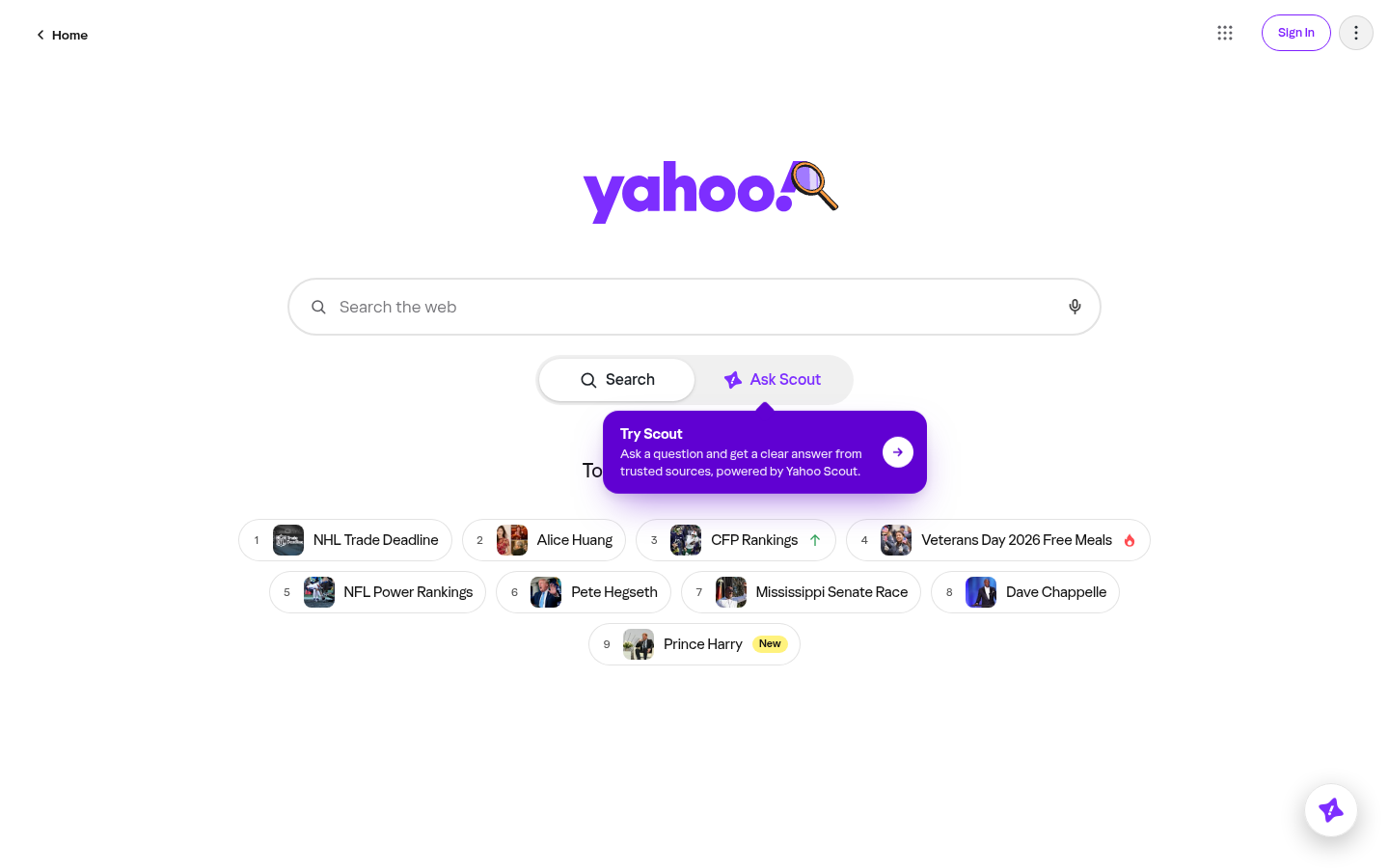
While its referral share is small, it still drives significant traffic for certain niches. For a business, even a small stream of Yahoo referrals can represent a high value lead that would have been missed otherwise.
Expert Interpretation: Yahoo is a "lifestyle" search engine. The tradeoff is that you aren't getting a unique index, but you are getting a curated experience. Decide if the convenience of the Yahoo ecosystem outweighs the need for a more independent index.
Regional Search Engines
Search is not global; it is cultural and linguistic. To understand how a brand or topic is perceived in another country, you have to use the tools the locals use.
5. Baidu
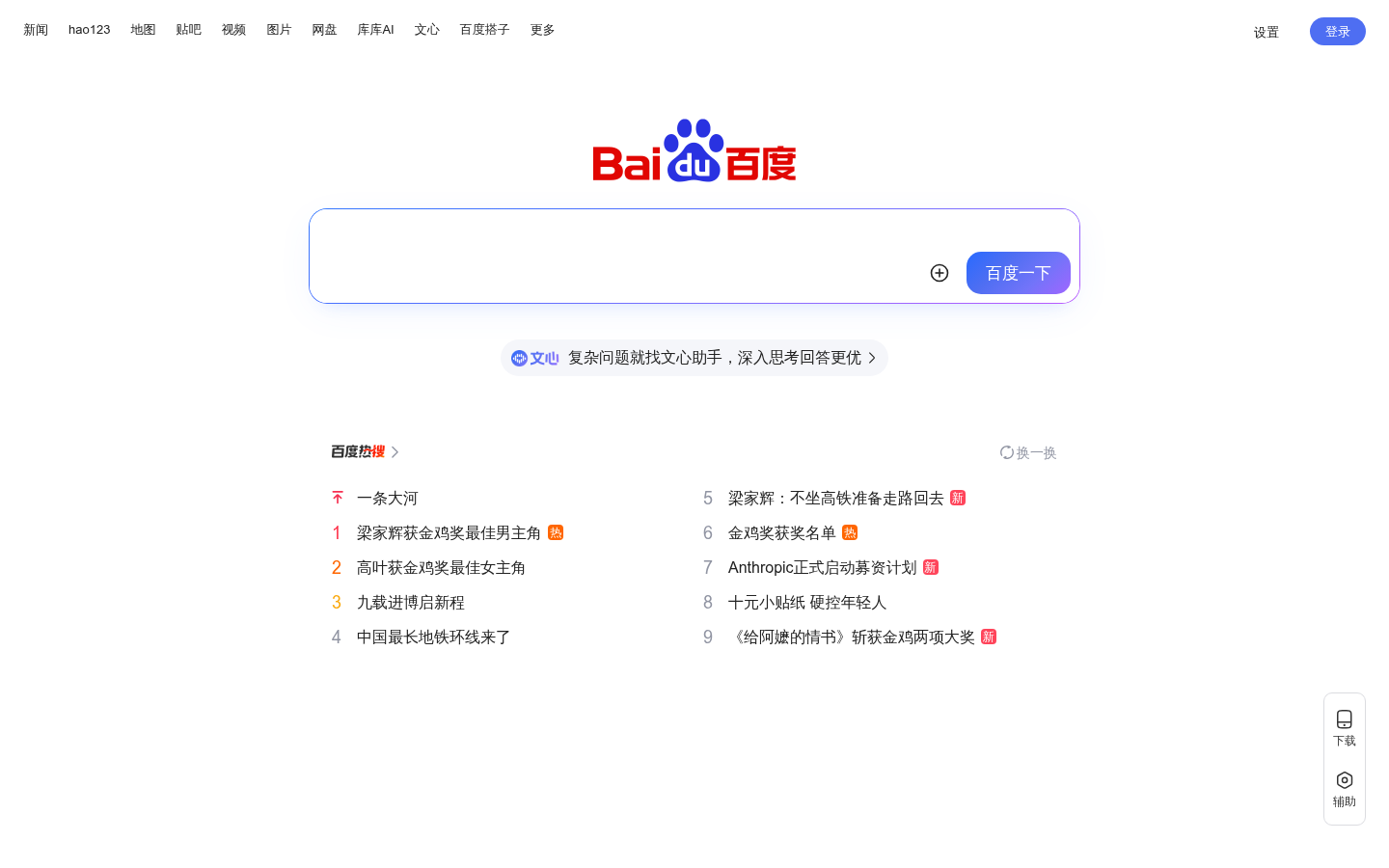
Baidu is the dominant force in China, holding nearly 49% of search referrals there as of October 2026. It is not merely a translation of a Western search experience. Baidu integrates a massive suite of local services, including the Baike encyclopedia and Wenku documents.
Expert Interpretation: If you are targeting Chinese audiences, searching in English and translating the results is useless. You must use local terminology within Baidu to see how your brand is actually described in the local market.
6. Naver
In South Korea, Naver holds a massive share of the market. It differs from Google by blending external web results with its own community driven content, such as Naver Blog and "Knowledge iN" Q&A sections.
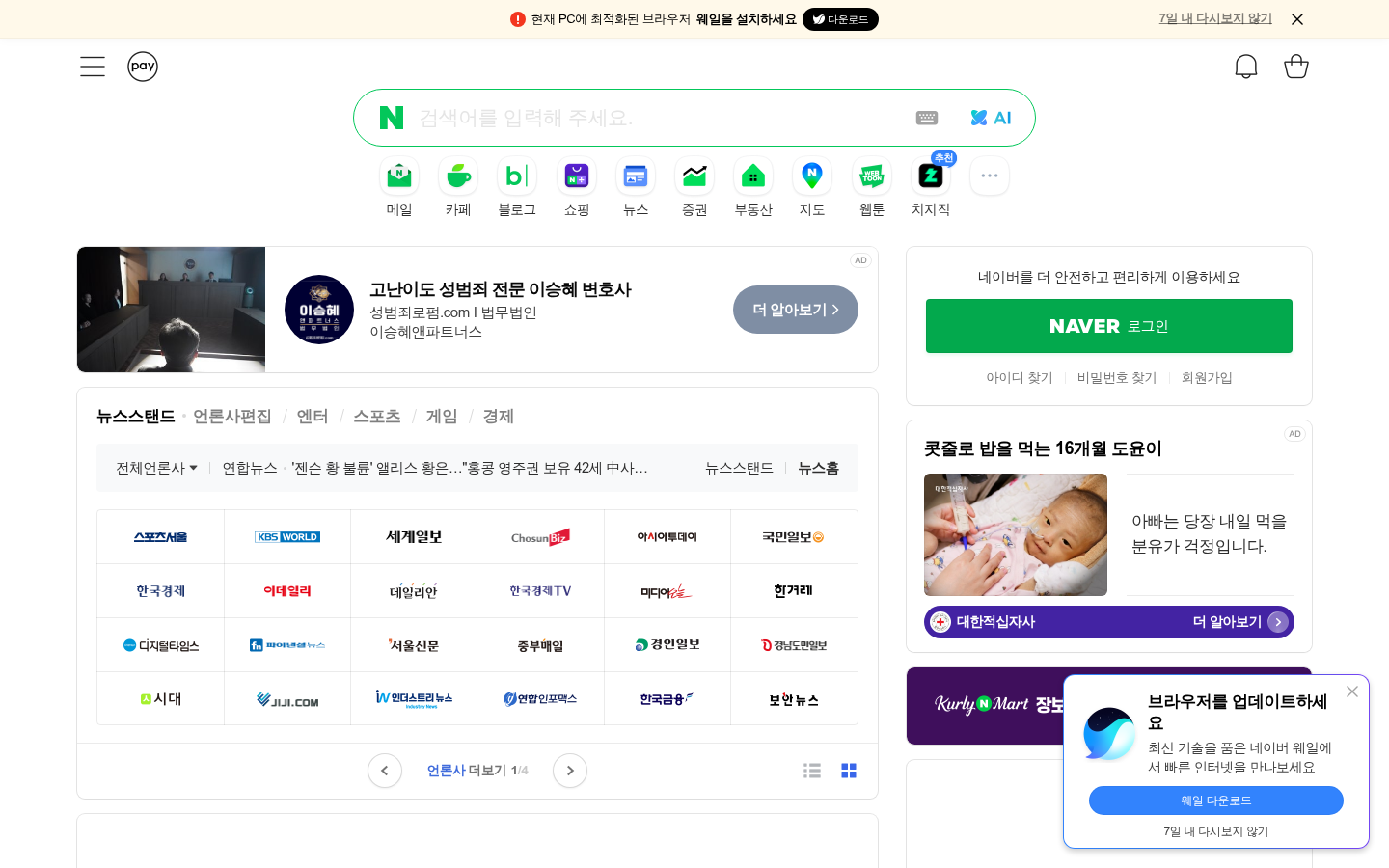
Expert Interpretation: Naver is more of a portal than a search engine. The tradeoff is that it prioritizes its own ecosystem over the open web. To gain visibility here, you have to engage with their community platforms, not just optimize a standalone website.
7. Yandex
Yandex is the primary tool for Russian language research, dominating the regional referral share. While it offers AI search features, its real value is in providing an authentic view of the Russian web.
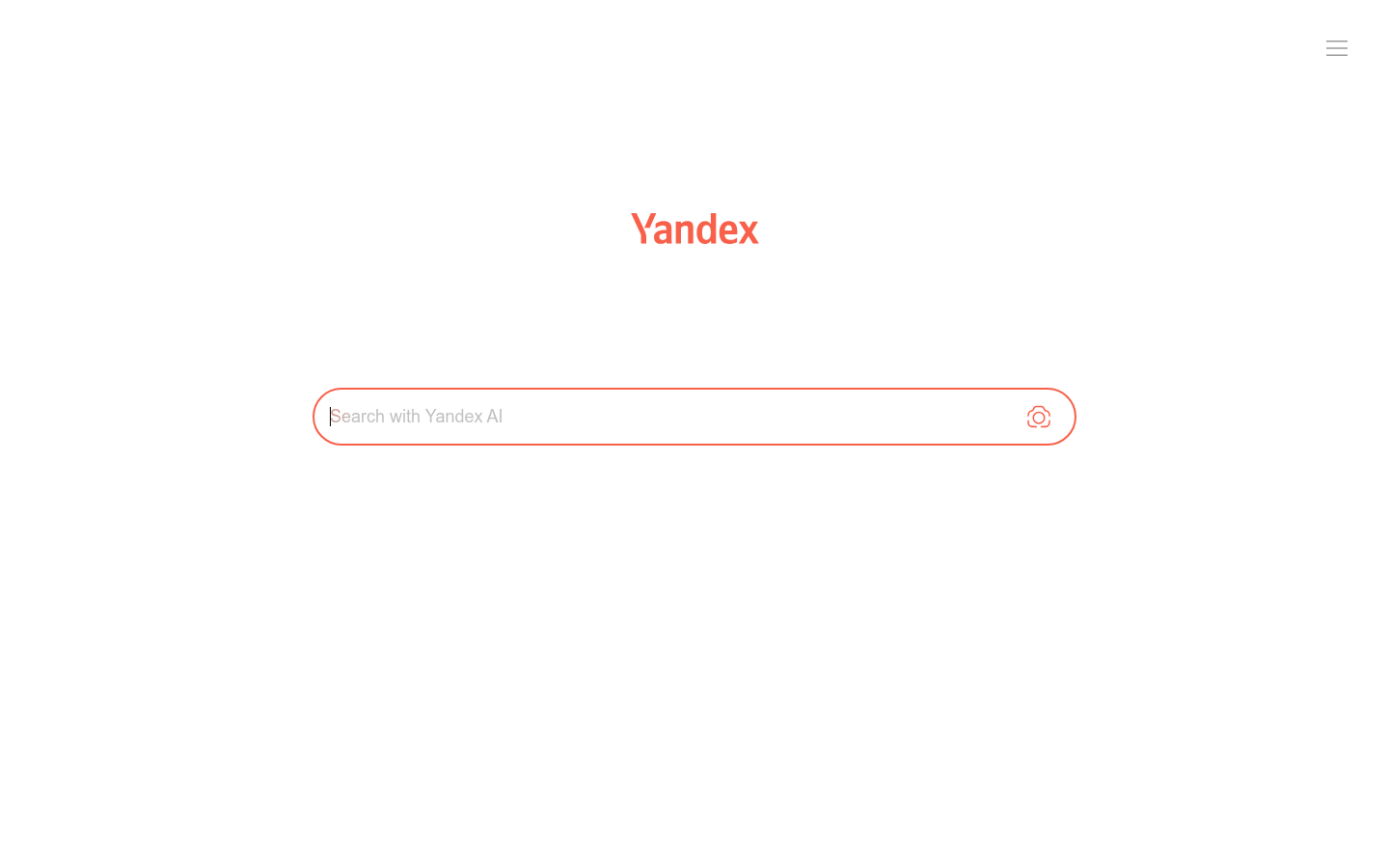
Expert Interpretation: Use Yandex to audit your visibility in Eastern Europe. The decision to use it should be based on the need for regional accuracy rather than a desire for a new AI interface.
8. Sogou
Sogou provides a unique entry point into the Chinese web, specifically through its integration with WeChat. It allows users to find public accounts and articles within the WeChat ecosystem that wouldn't normally appear in a standard web crawl.
Expert Interpretation: This is a specialist tool. Use it when you suspect the information you need exists as a social post or a public account article rather than a traditional webpage.
Search With Privacy and Control Options
For those who want to decouple their search history from their identity, these engines offer different levels of anonymity and index control.
9. Brave Search
Brave Search is notable because it uses its own independent web index. It also offers "Goggles," which allow users to apply their own ranking rules to filter out certain types of results or prioritize others.
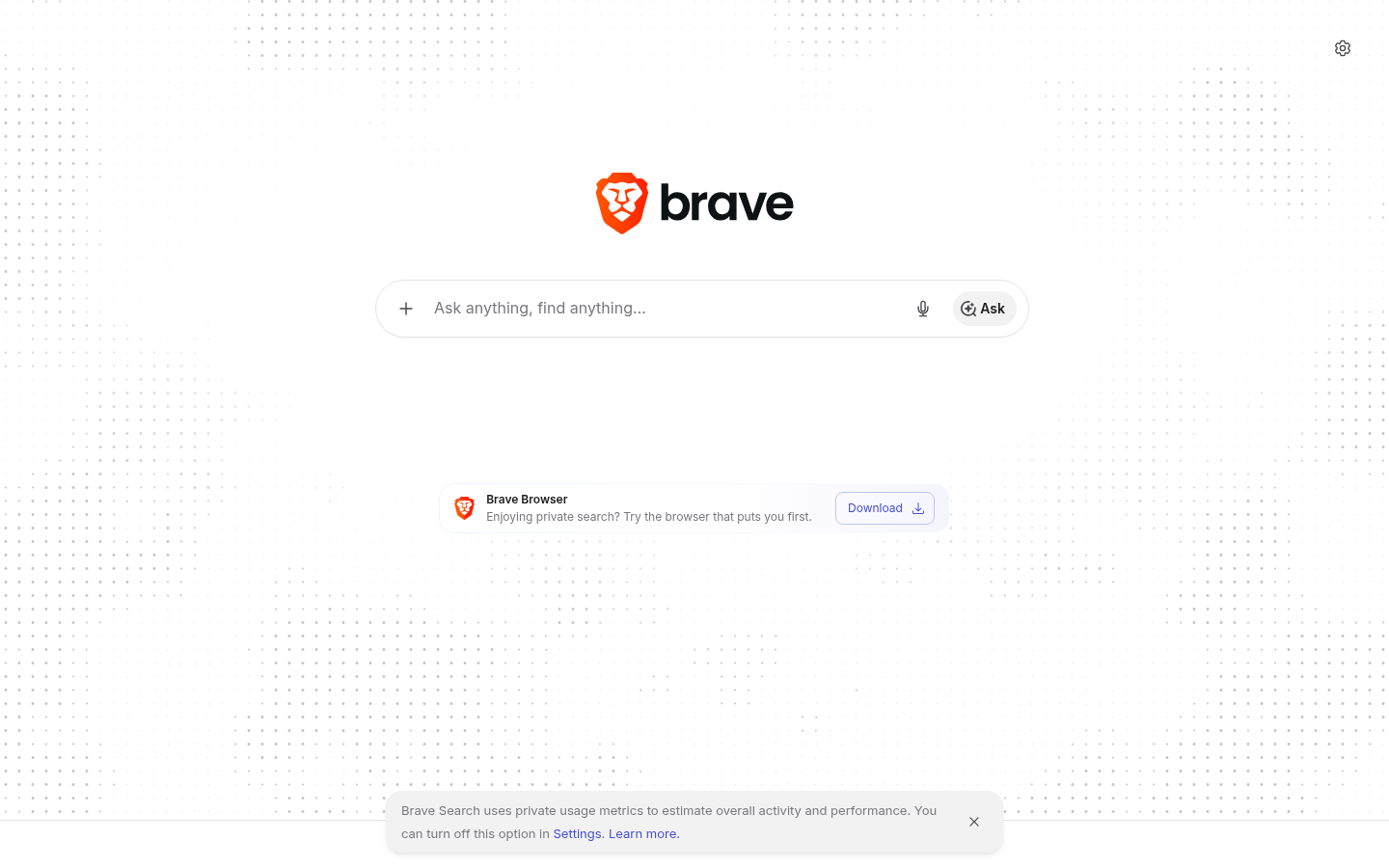
Expert Interpretation: Brave is for the "power user." The tradeoff is that an independent index may occasionally lack the sheer volume of Google, but the benefit is the ability to manipulate how you see the web without being manipulated by a hidden algorithm.
10. DuckDuckGo
DuckDuckGo is the most accessible privacy first option. It does not build a personal search profile or save IP addresses to track individual history. While it uses its own crawler, it also pulls significant data from Bing.
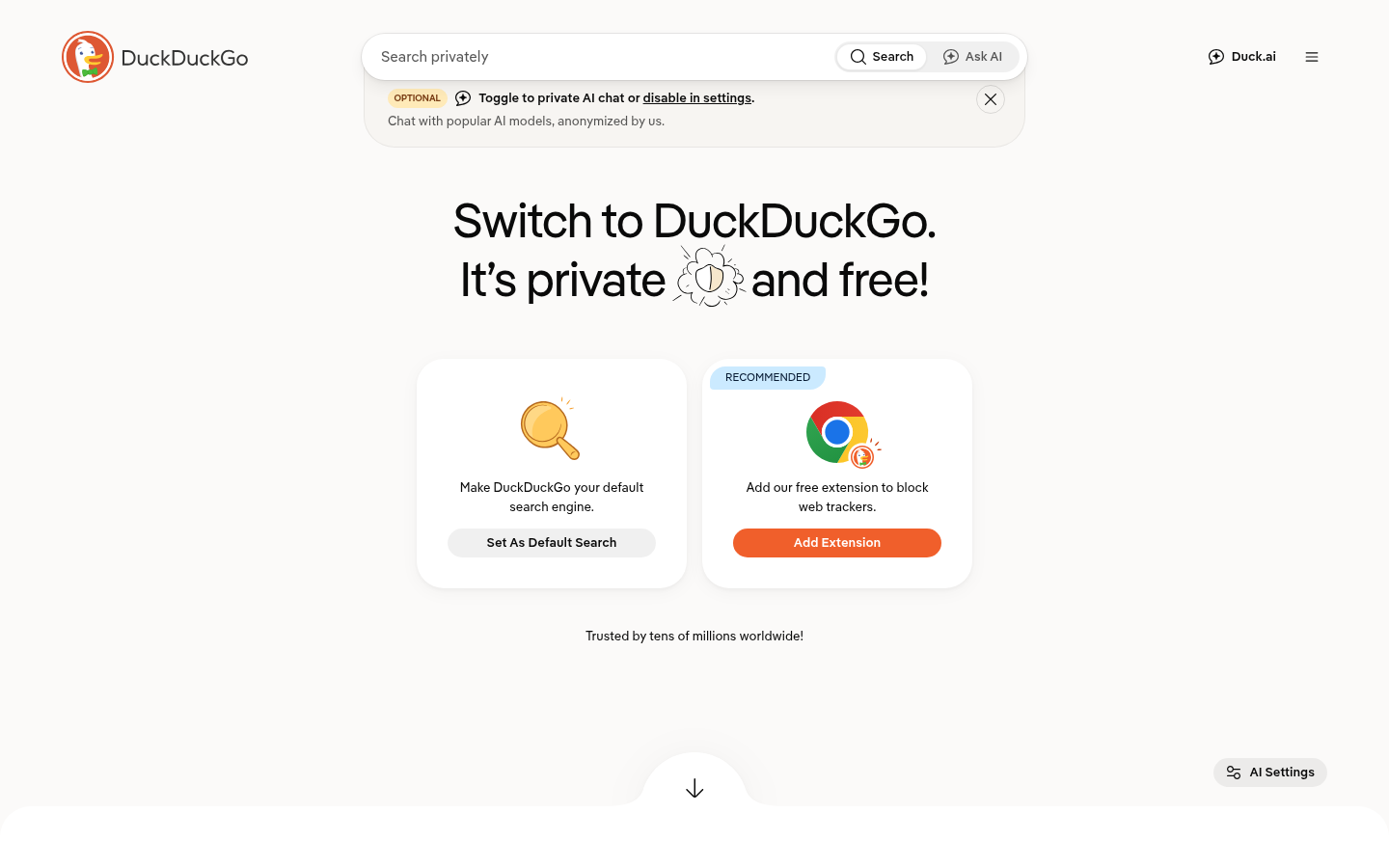
Expert Interpretation: Choose DuckDuckGo for privacy, not necessarily for "different" results. Since it relies heavily on Bing, the results will feel familiar, but the data collection model is fundamentally different.
Search With Different Funding Models
Not every search engine is driven by ad revenue. Some use their profits or subscriptions to fund different goals.
13. Ecosia
Ecosia uses its search revenue to plant trees. It provides a way to turn a daily habit into a tangible environmental contribution.

14. KARMA Search
KARMA focuses on a different incentive structure, often rewarding users or focusing on a more equitable distribution of value than traditional ad based models.
Comments
Comments are reviewed before they are published. Links are not allowed inside comments.