Brand Protection in AI Search: How to Audit and Defend Your Brand’s Identity
/ 6 min read

Summary
Document everything that is consistently associated with the brand. For a company, record the brand, and legal names, previous,. The practical question is what this changes for SEO, content quality, and AI search visibility.

Brand protection in search and AI means finding where a personal brand, company, or product is represented incorrectly, confused with something else, impersonated, abused, misused, or used to intercept branded traffic. The goal is to correct what you can, report genuine abuse, and make accurate information and official channels easier to verify. A useful companion note is to Choose Your Next Move, because it looks at a nearby part of the same system.
It overlaps with online reputation management. But reputation management focuses more on how a brand is perceived.
What Exactly Are We Protecting?
Document everything that is consistently associated with the brand. For a company, record the brand, and legal names, previous, and alternative names, the official domain, apps, and social accounts, founders, owners, and executives,. The practical read is that brand signals need to be consistent enough for both people and AI systems to form a stable view of the company, its expertise, and its trust signals.
The practical value is in connecting the idea to an observable signal. That means deciding what should be checked, what would prove the issue is real, and where the team should make the smallest useful improvement first.
Define Your Markets, Languages, Search Environments
A brand can have a different search presence in every market and language it serves. This surprises many people, but you do the full audit for each country, and each language. Five country language combinations mean five audits. Yes, it's. The practical read is that brand signals need to be consistent enough for both people and AI systems to form a stable view of the company, its expertise, and its trust signals.
The useful check is whether this improves the system behind search performance, not only the words on the page. Internal links, crawlable content, clear entities, current evidence, and a sensible page structure all help the recommendation become easier to trust.
Audit The Brand Across Search Surfaces
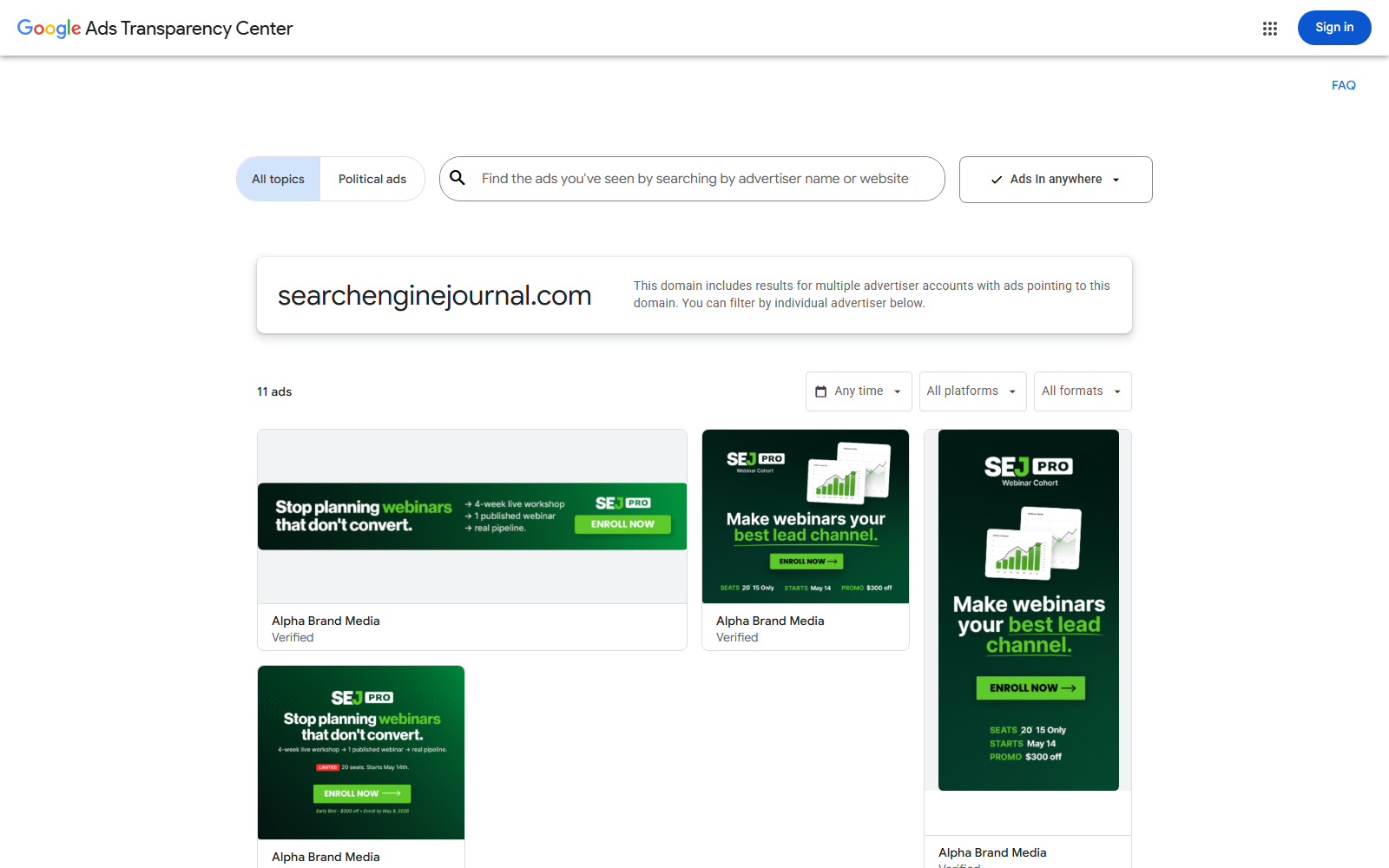
It is tempting to create a fixed query set and reuse it on every surface. You can do that but try to find out what the target audience actually uses. If you don't know where to start, look at autosuggestions. If your brand is relatively. The practical read is that brand signals need to be consistent enough for both people and AI systems to form a stable view of the company, its expertise, and its trust signals.
The operational question is whether the public business data is complete enough to support the query. Hours, categories, services, reviews, photos, and page content need to reinforce each other so Google can understand the business in a specific situation, not only as a generic listing.
Audit The Brand In AI Systems
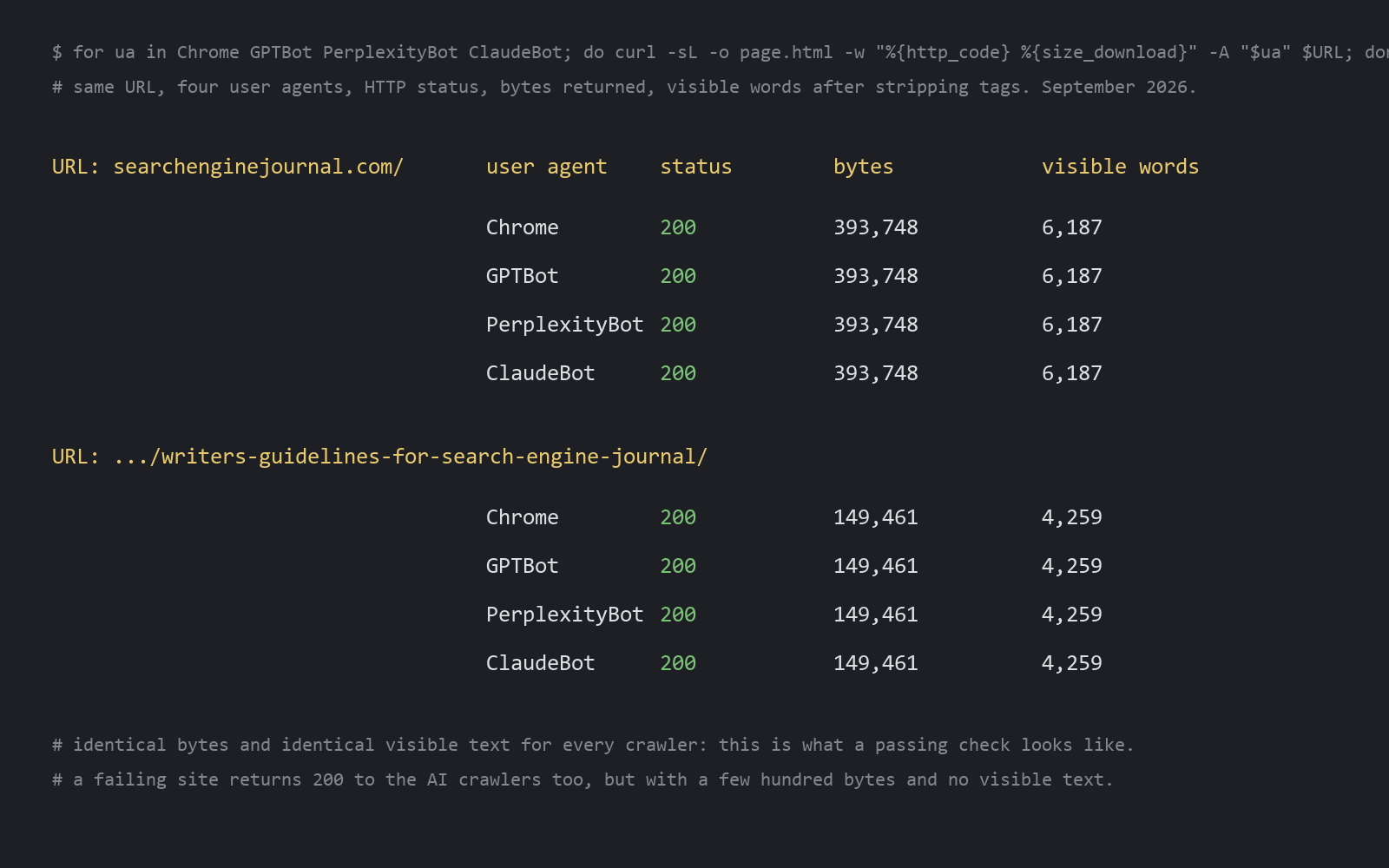
This part is tricky, but it cannot be skipped. Run the audit across the AI systems your audience uses: Google AI Overviews or AI Mode, Gemini, ChatGPT search, Perplexity, Claude with web search, and Brave Ask. Include Brave even if nobody. The practical read is that brand signals need to be consistent enough for both people and AI systems to form a stable view of the company, its expertise, and its trust signals.
Choose The Defense Based On The Problem
First decide whether you found an error or abuse. An outdated directory entry or an incorrect association with a namesake is an error, and a critical review is usually an opinion. Neither warrants an abuse report. A fake support account, a. The practical read is that brand signals need to be consistent enough for both people and AI systems to form a stable view of the company, its expertise, and its trust signals.
The reporting question is whether this signal changes a decision. If it only creates another number in a dashboard, it adds noise. If it helps separate profile activity, website visits, calls, bookings, and direction requests, it can make local performance easier to understand.
Set Up Alerts Before You Need Them
An audit shows what is happening now. How quickly you catch the next problem decides how many people meet it before you do. Build the alerts from the same names, queries, languages, and markets as the audit. You can use any tracking. The practical read is that brand signals need to be consistent enough for both people and AI systems to form a stable view of the company, its expertise, and its trust signals.
Reduce What Can Be Impersonated
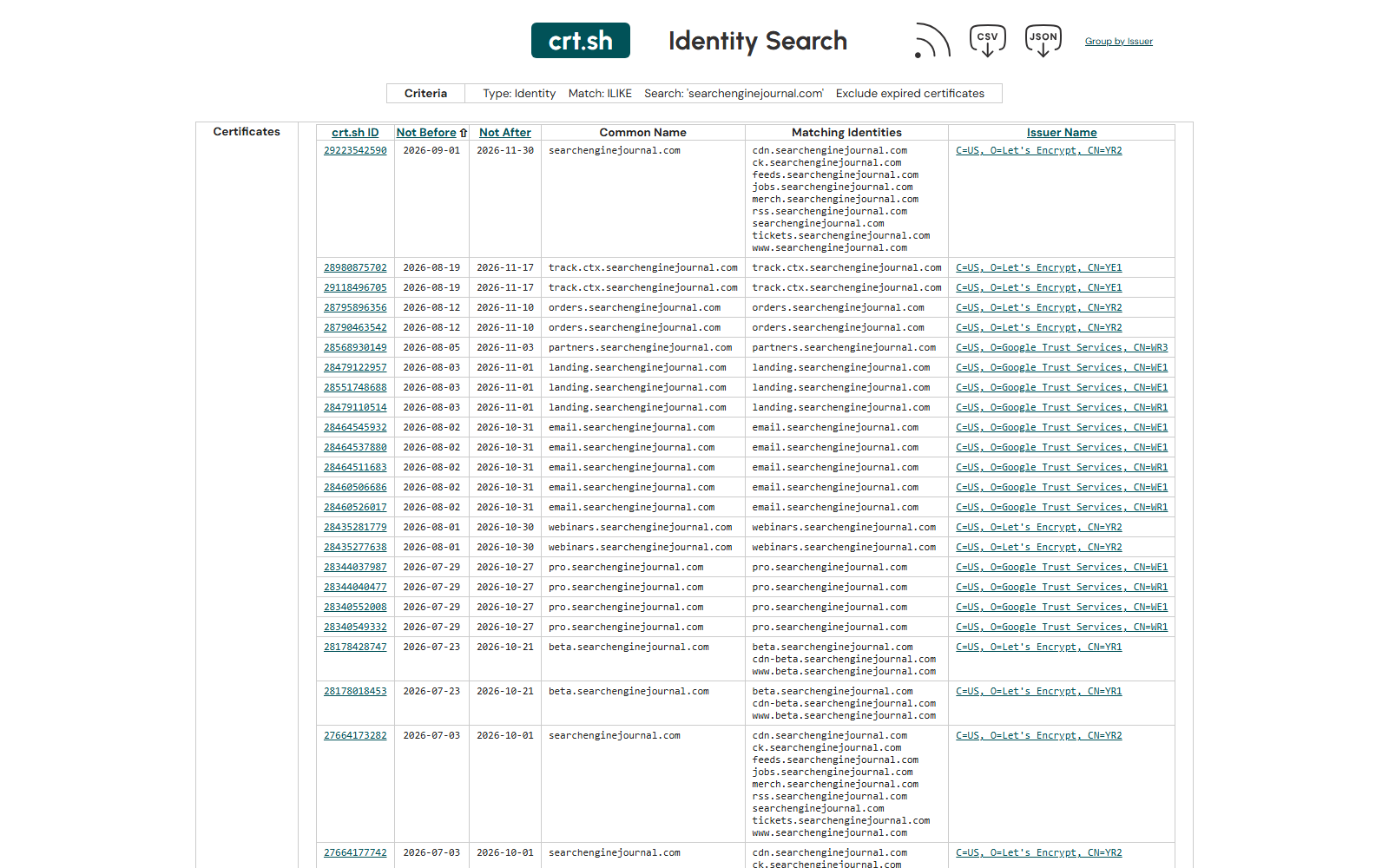
Most of the protection happens before anything goes wrong. Register the domains and country domains that matter, claim the social handles and app developer accounts, and take the scoped or organization namespace for your products where the. The practical question is what this changes in the system: the page structure, the evidence presented, the measurement habit, or the way the topic is connected to related work.
The risk is usually hidden in the execution layer. A page can look fine to a human and still fail for an automated visitor if the form, call to action, rendering path, or confirmation step is not accessible enough for the agent to complete the task.
The Defense Work Never Stops
Look at the branded results themselves. Your own domain should rank first for your brand name, and the rest of the first two pages should be filled by properties you control or influence: your country sites, profiles, and channels, app. The practical read is that brand signals need to be consistent enough for both people and AI systems to form a stable view of the company, its expertise, and its trust signals.
What Exactly Are We Protecting? in practice
Introduction Brand protection in search and AI means finding where a personal brand, company, or product is represented incorrectly, confused with something else, impersonated, abused, misused, or used to intercept branded traffic. The. The practical read is that brand signals need to be consistent enough for both people and AI systems to form a stable view of the company, its expertise, and its trust signals.
What the visibility signal actually changes
What the visibility signal actually changes: brand Protection in AI Search: How to Audit and Defend Your Brand’s Identity: the Strategic Visibility Angle should be treated as a visibility signal, not a standalone headline. Introduction Brand protection in search and AI means finding where a personal brand, company, or product is represented incorrectly, confused with something else, impersonated, abused, misused, or used to intercept branded traffic. The goal is to correct what. This connects with What AI Says About Your Locations when the same signal needs a clearer operating decision. The same pattern also shows up in Agentic Web Is Splitting into Two Bets, where the practical question is how the signal becomes visible.
What the visibility signal actually changes: the practical question is whether the page, brand evidence, and surrounding content make the answer easier to trust. If that support is weak, search systems can still understand the topic but fail to connect it confidently to the brand.
What the visibility signal actually changes: that is why the response should begin with an audit of the evidence already on the site before creating a new asset. The fastest improvement is often a clearer page, a better internal link, or a stronger explanation of why the brand belongs in the answer.
Where the evidence needs to be tested
Where the evidence needs to be tested: a single study or ranking observation should not become a strategy by itself. It should become a diagnostic prompt: which source is being trusted, which query pattern is affected, and which part of the site would make that trust easier to earn?
Where the evidence needs to be tested: that keeps the response grounded. The goal is to improve the evidence chain around the topic rather than publish another summary that repeats what every other page already says.
Where the evidence needs to be tested: the important distinction is between a useful signal and a fashionable talking point. A useful signal changes the brief, the page structure, the linking plan, or the measurement view.
Comments
Comments are reviewed before they are published. Links are not allowed inside comments.