Managing AI Crawlers Without Blocking Real Opportunity
/ 7 min read
Summary
A practical view on Managing AI Crawlers Without Blocking Real Opportunity, focused on the signal to inspect, the risk to avoid, and the decision it should change.
Why Managing AI Crawler Access Matters
Credit: original article.Credit: original article.Credit: original article.Credit: original article.Credit: original article.Credit: original article.Credit: original article.
In the evolving digital landscape, AI crawlers are becoming a critical part of how websites are indexed and understood. These crawlers, often used by search engines and data aggregation tools, can significantly impact your site's performance, data security, and even monetization strategies. While they offer opportunities for improved visibility and insights, they also pose risks such as over indexing, bandwidth consumption, and potential data breaches. Managing AI crawler access is not just about controlling traffic, it's about ensuring your website remains efficient, secure, and aligned with your business goals. Whether you're a developer, marketer, or content strategist, understanding how to manage these crawlers matters for maintaining a healthy online presence.
Tools for Making Content Accessible to AI Crawlers
Credit: original article.Credit: original article.
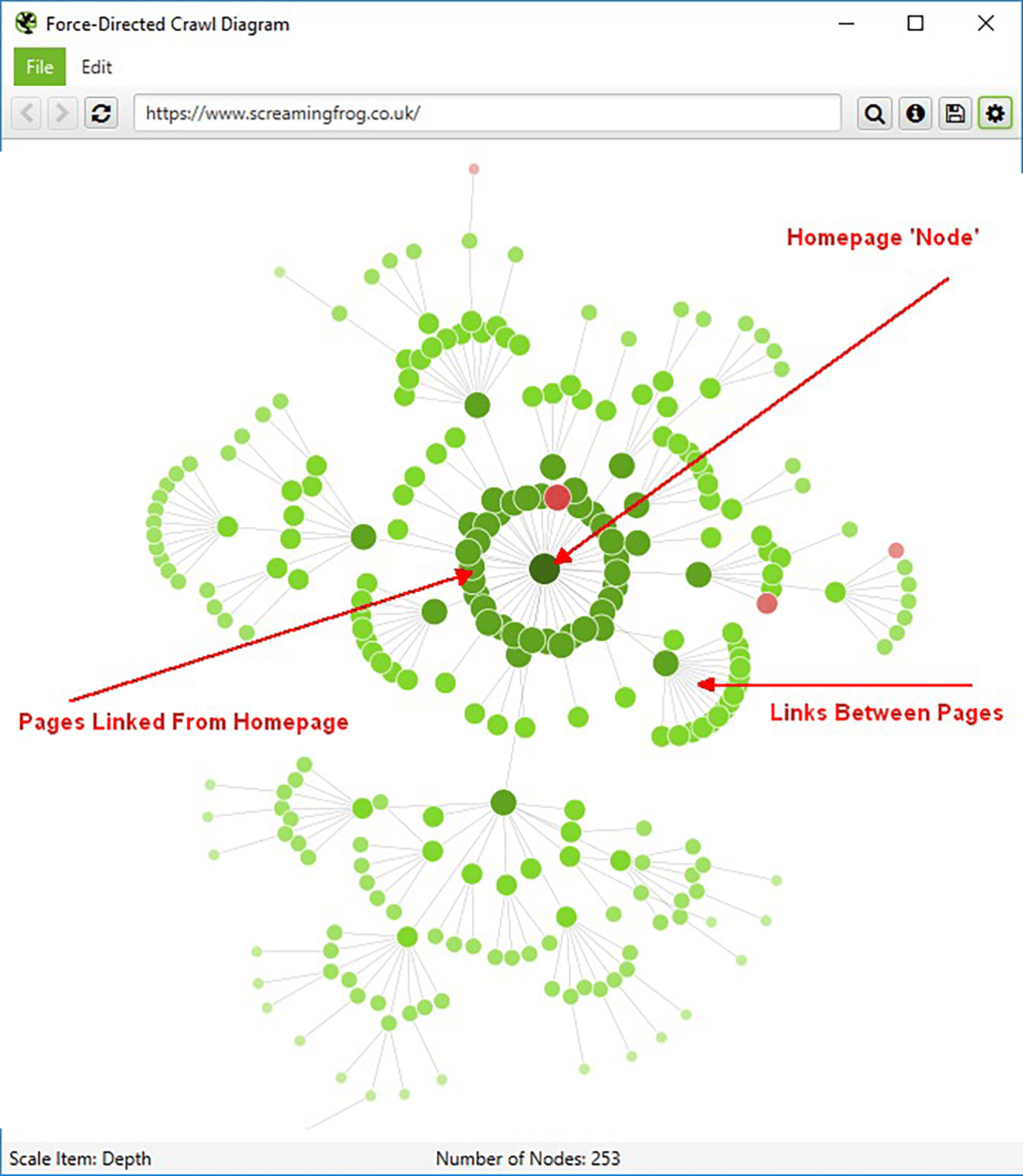
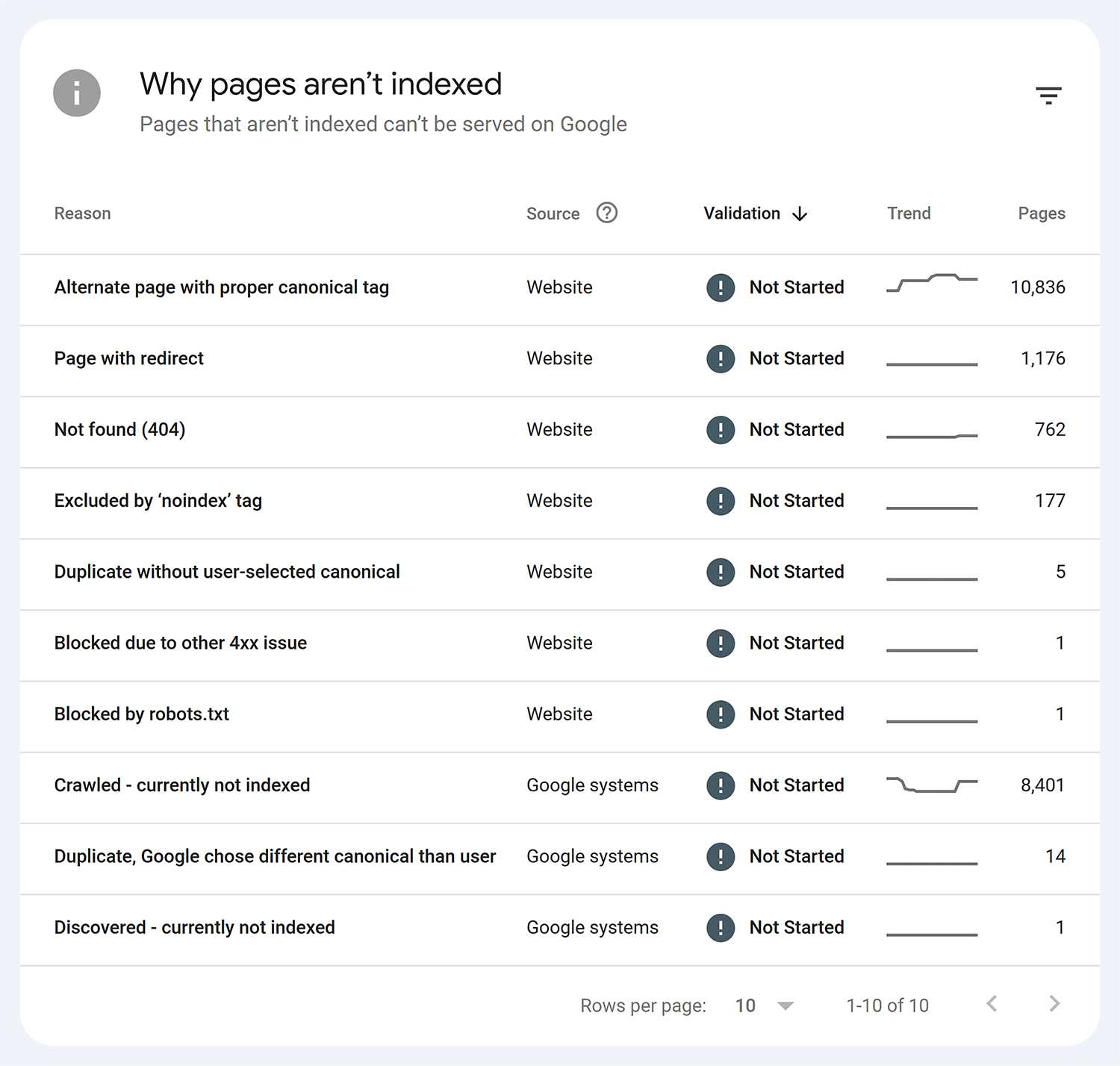
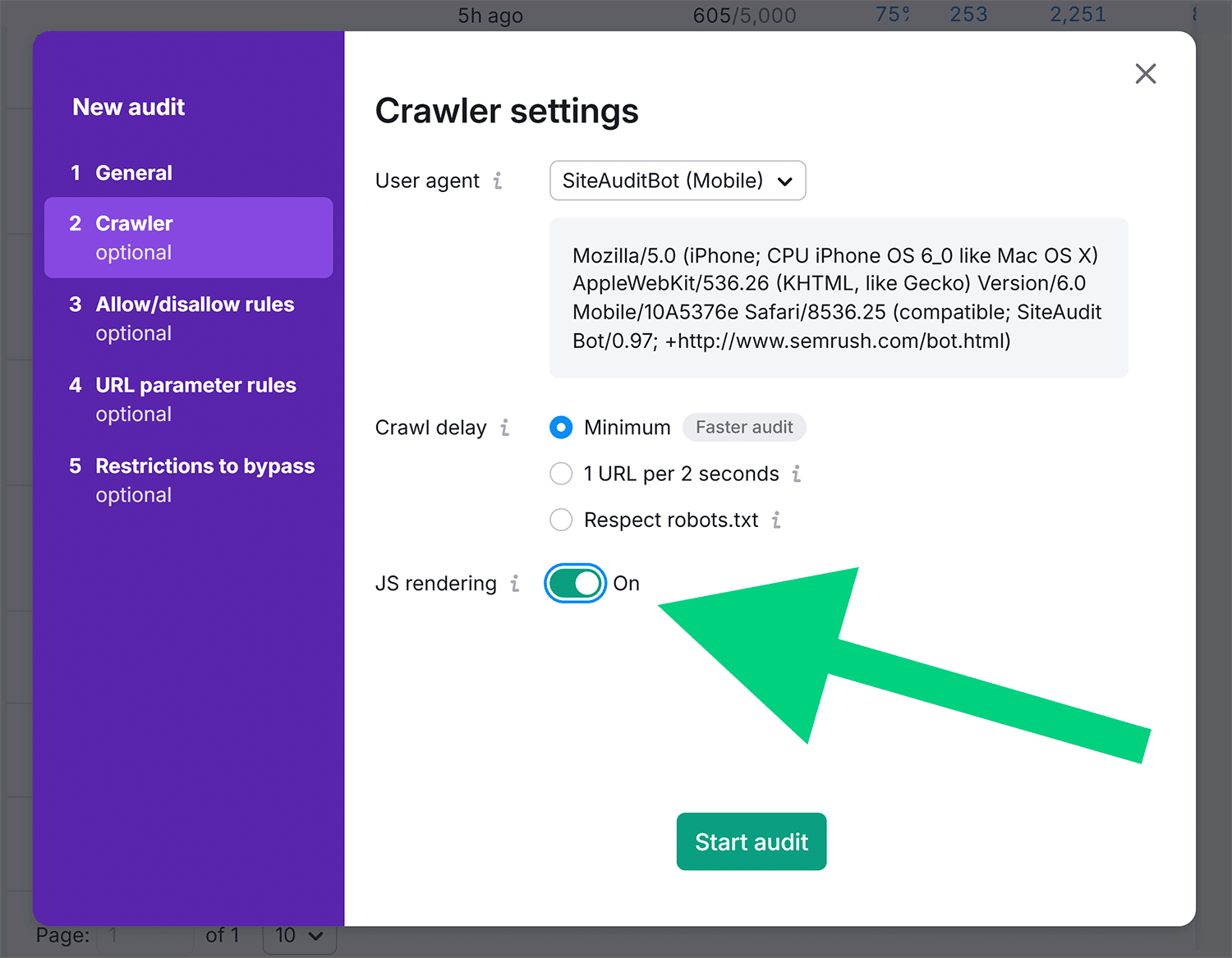
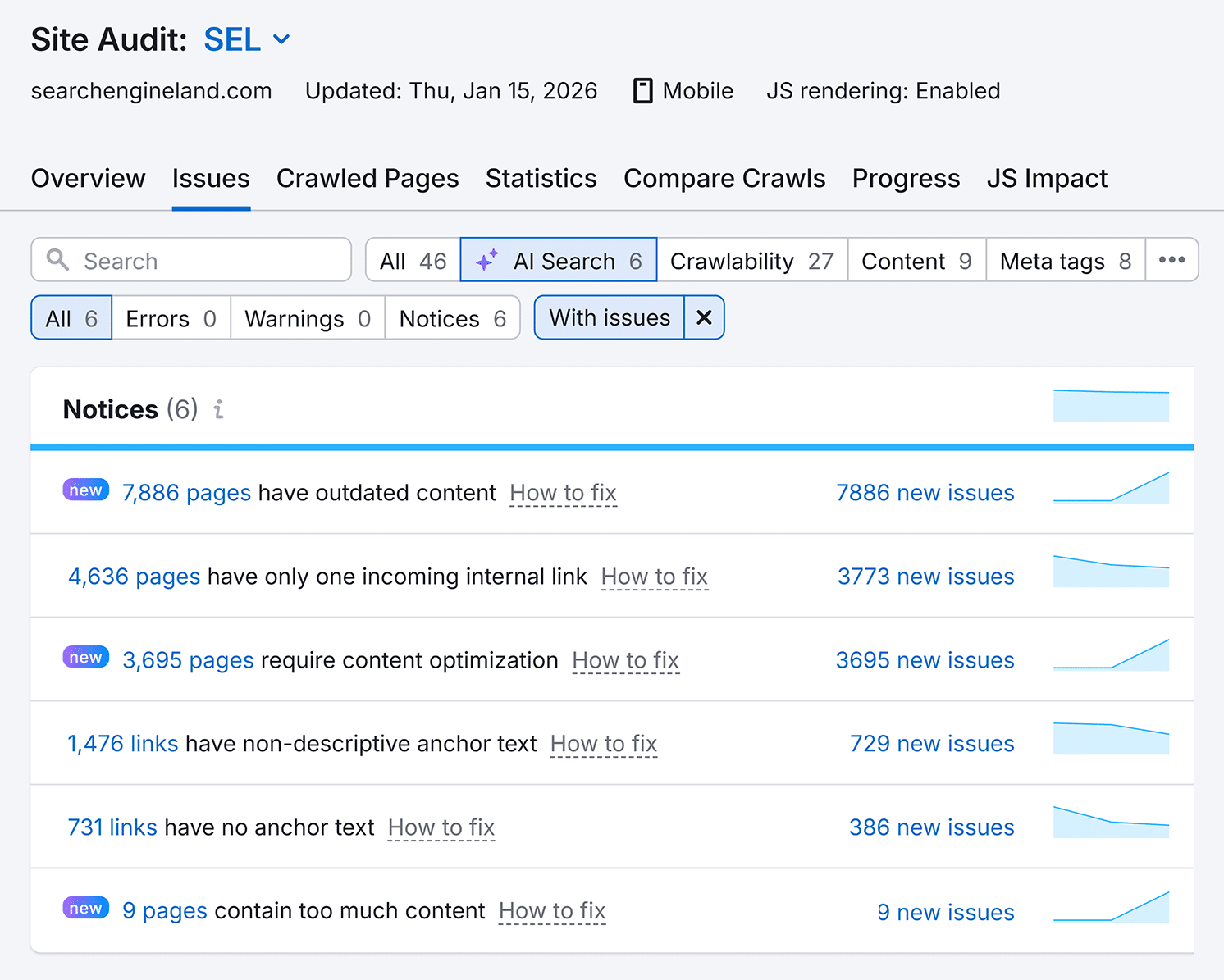
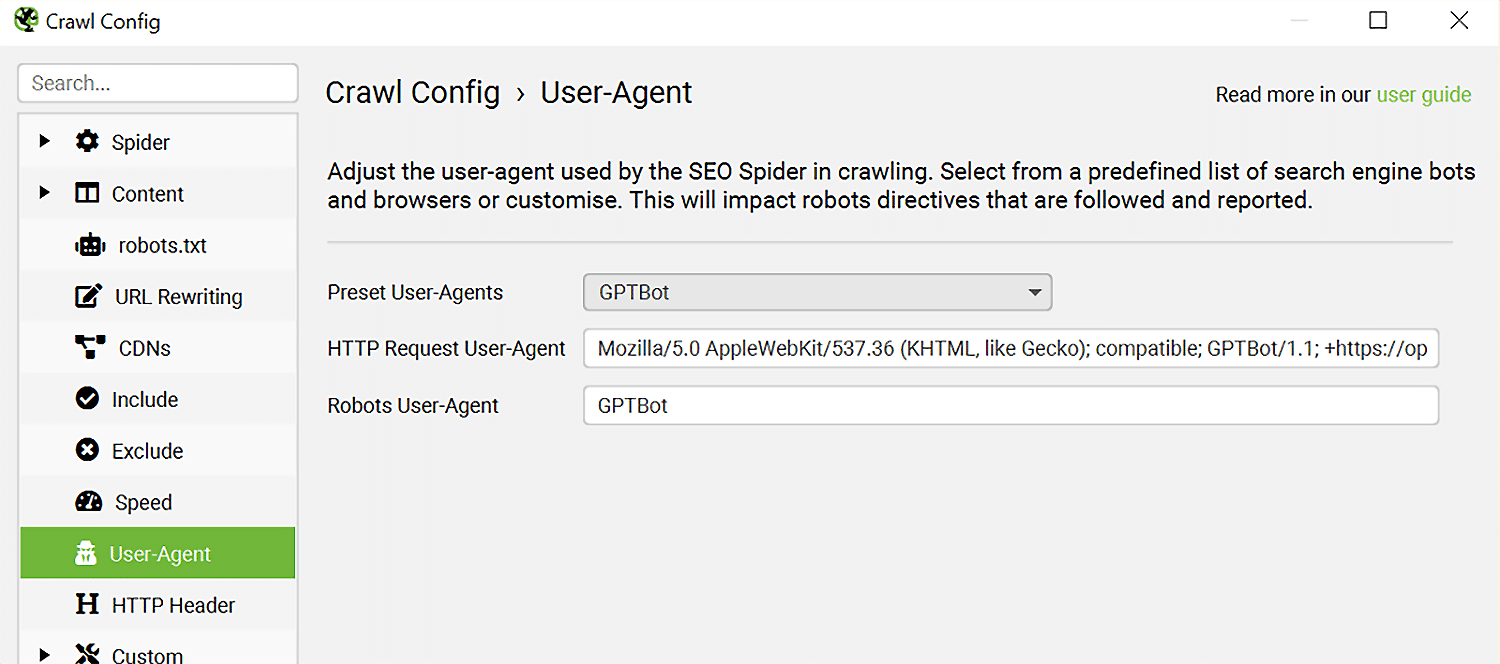
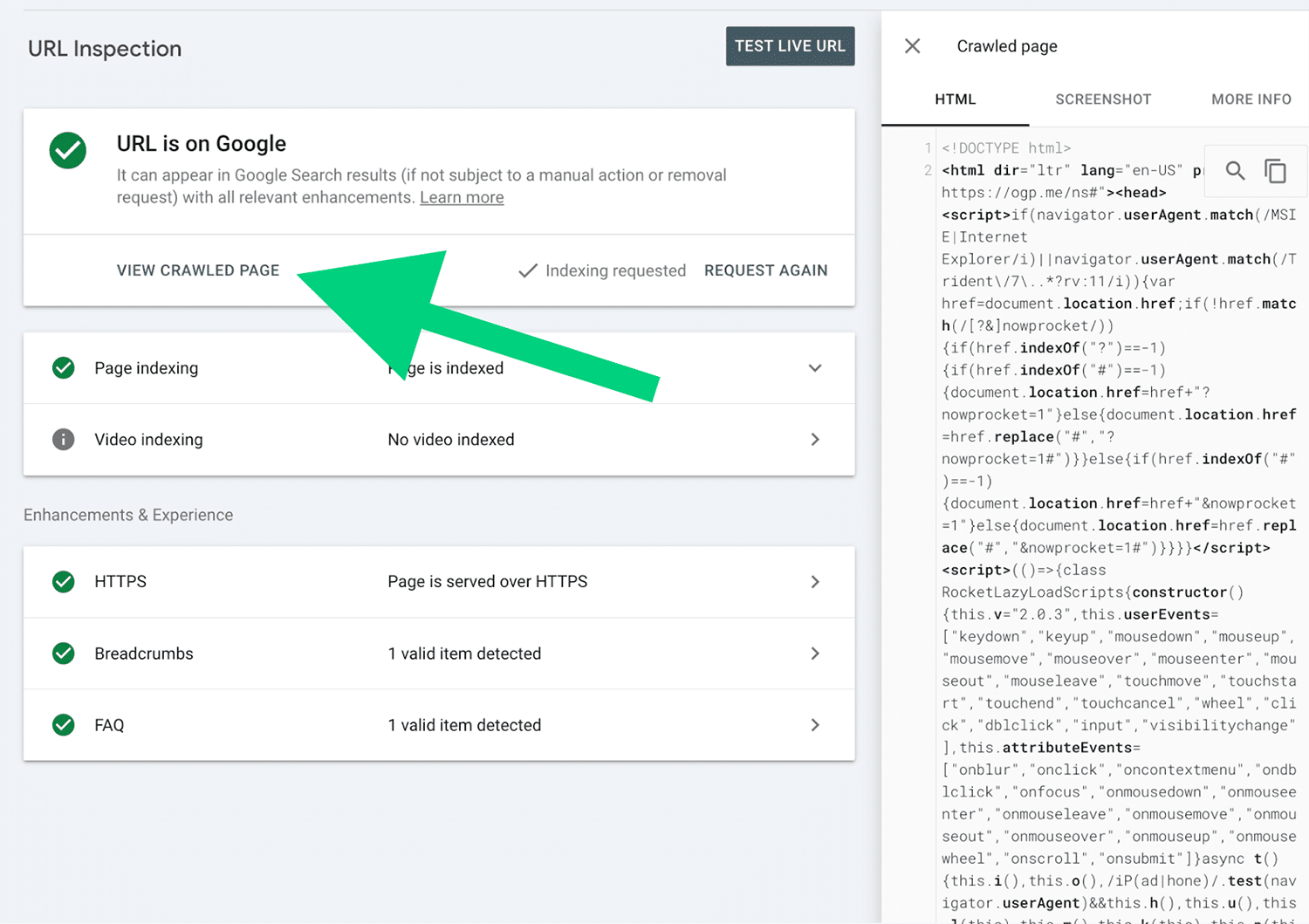
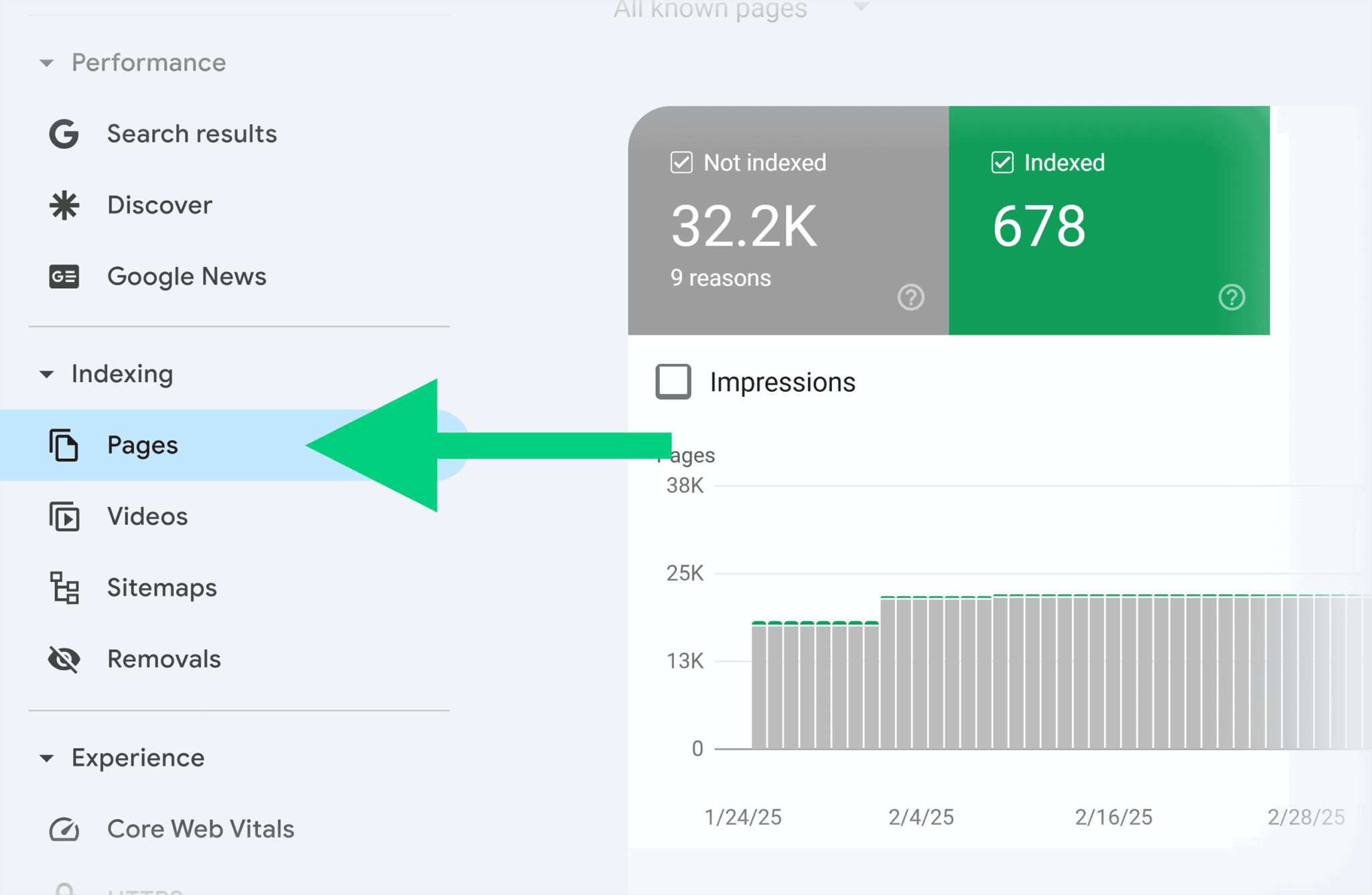
The first step in managing AI crawler access is ensuring your content is accessible and structured in a way that allows crawlers to interpret it effectively. This involves using tools that help you optimize your website's technical accessibility. For instance, Google Search Console is a powerful tool that provides insights into how search engines crawl and index your site. It allows you to monitor crawl errors, submit sitemaps, and analyze crawl rates, which are all critical for ensuring that AI crawlers can access and understand your content. Another essential tool is Screaming Frog, which offers a complete suite of features for website analysis. It can crawl your site, identify broken links, and provide detailed reports on meta tags, headers, and other elements that influence how crawlers interact with your content. By using these tools, you can ensure that your website is not only accessible but also optimized for AI crawlers to efficiently gather and process information.
Structured Data Tools for AI Crawlers
Structured data matters in helping AI crawlers understand the context and relevance of your content. Tools like schema markup validators can help you ensure that your website's data is properly formatted and easily interpretable by crawlers. Schema markup, for example, allows you to provide specific details about your content, such as articles, products, or events, which can enhance how crawlers index and display your information. Google Search Console also offers structured data reports that provide insights into how your website's data is being interpreted by search engines. These reports can highlight issues with your structured data, such as missing or incorrect information, allowing you to make necessary adjustments. By leveraging these tools, you can improve the accuracy and efficiency of how AI crawlers process your content, ultimately enhancing your website's visibility and performance.
Server and File Log Analysis Tools
Credit: original article.Credit: original article.
Understanding how AI crawlers interact with your website goes beyond just technical accessibility and structured data. Server and file log analysis tools are essential for monitoring and analyzing crawler behavior. Tools like Cloudflare Log Explorer and Screaming Frog Log File Analyzer allow you to inspect detailed logs of crawler activity, providing insights into which crawlers are accessing your site, how frequently they're visiting, and what specific pages they're targeting. These tools can help you identify patterns in crawler behavior, such as spikes in traffic or unusual access patterns, which may indicate potential issues like over indexing or malicious activity. By analyzing these logs, you can make informed decisions about how to manage crawler access, ensuring that your website remains secure and efficient. these tools can help you optimize your server resources by identifying and addressing any inefficiencies in how crawlers interact with your site.
Tools to Give AI Crawlers More Context
AI crawlers often struggle to understand the nuances of your content, especially when it comes to context and intent. To help them better interpret your website, you can use tools that provide additional context through structured formats. One such tool is the llms.txt and llms full.txt generators, which are community driven proposals for providing AI crawlers with more detailed information about your content. These files can include metadata, summaries, and other contextual information that helps crawlers better understand the purpose and relevance of your content. Validators for these formats can also be useful, as they ensure that the information provided is correctly formatted and meets the standards expected by AI crawlers. By using these tools, you can enhance the accuracy and effectiveness of how AI crawlers interpret your content, leading to better indexing and improved visibility for your website.
Tools to Regulate and Control AI Crawler Access
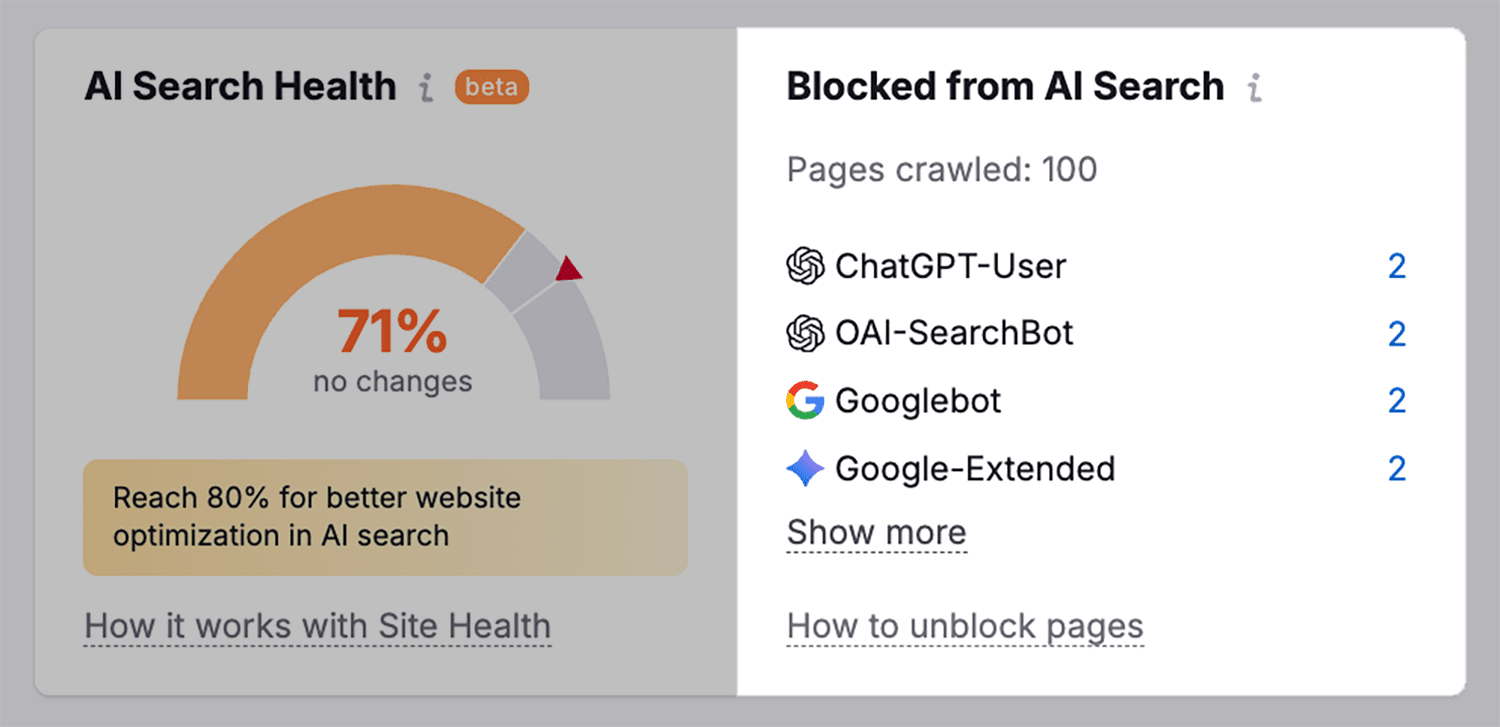
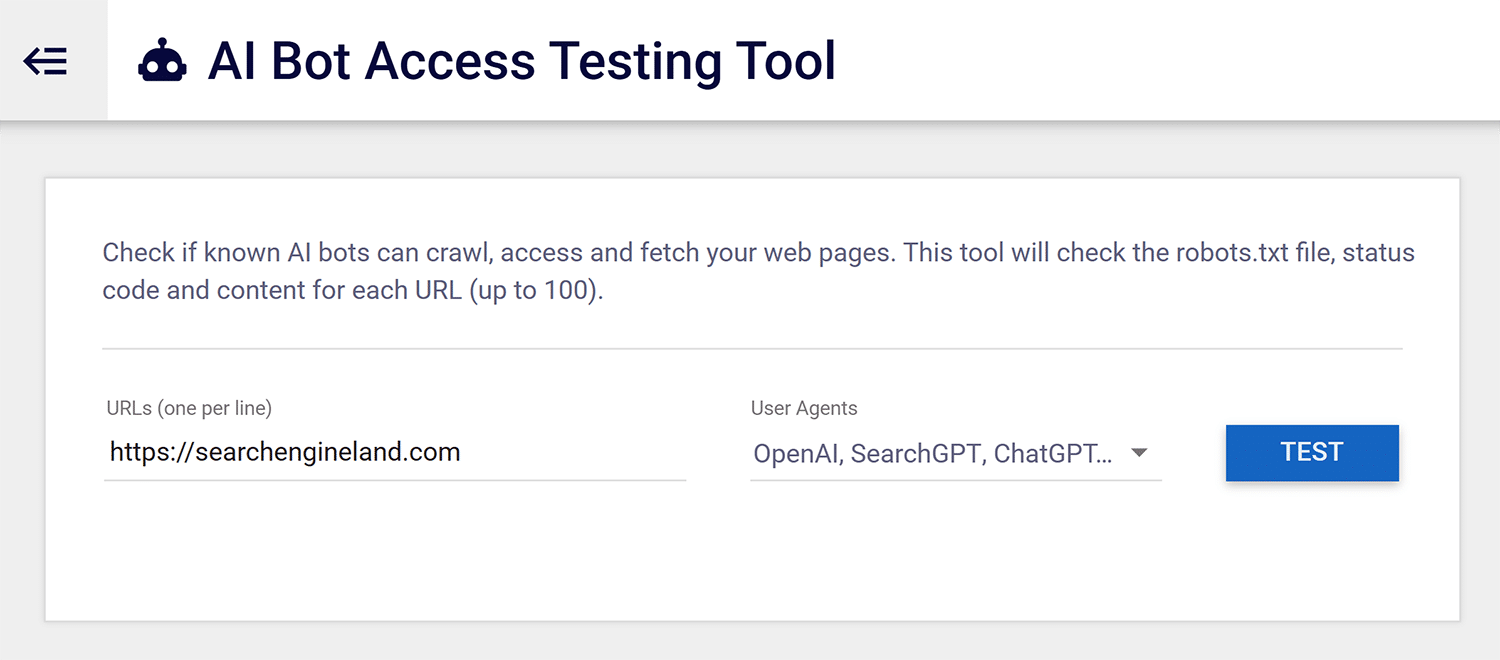
Regulating and controlling AI crawler access matters for maintaining the performance and security of your website. Tools like robots.txt generators and ai.txt tools can help you manage which crawlers are allowed to access your site and what parts of your website they can crawl. Robots.txt is a standard file that tells crawlers which parts of your site they can and cannot access, making it an essential tool for managing crawler behavior. The ai.txt format, while not officially adopted by major AI engines, is a community driven proposal that allows you to specify additional rules for AI crawlers. By using these tools, you can ensure that your website is not over indexed, which can lead to performance issues and increased bandwidth usage. these tools can help you prevent unauthorized access to sensitive data, ensuring that your website remains secure.
Blocking AI Crawlers at Scale
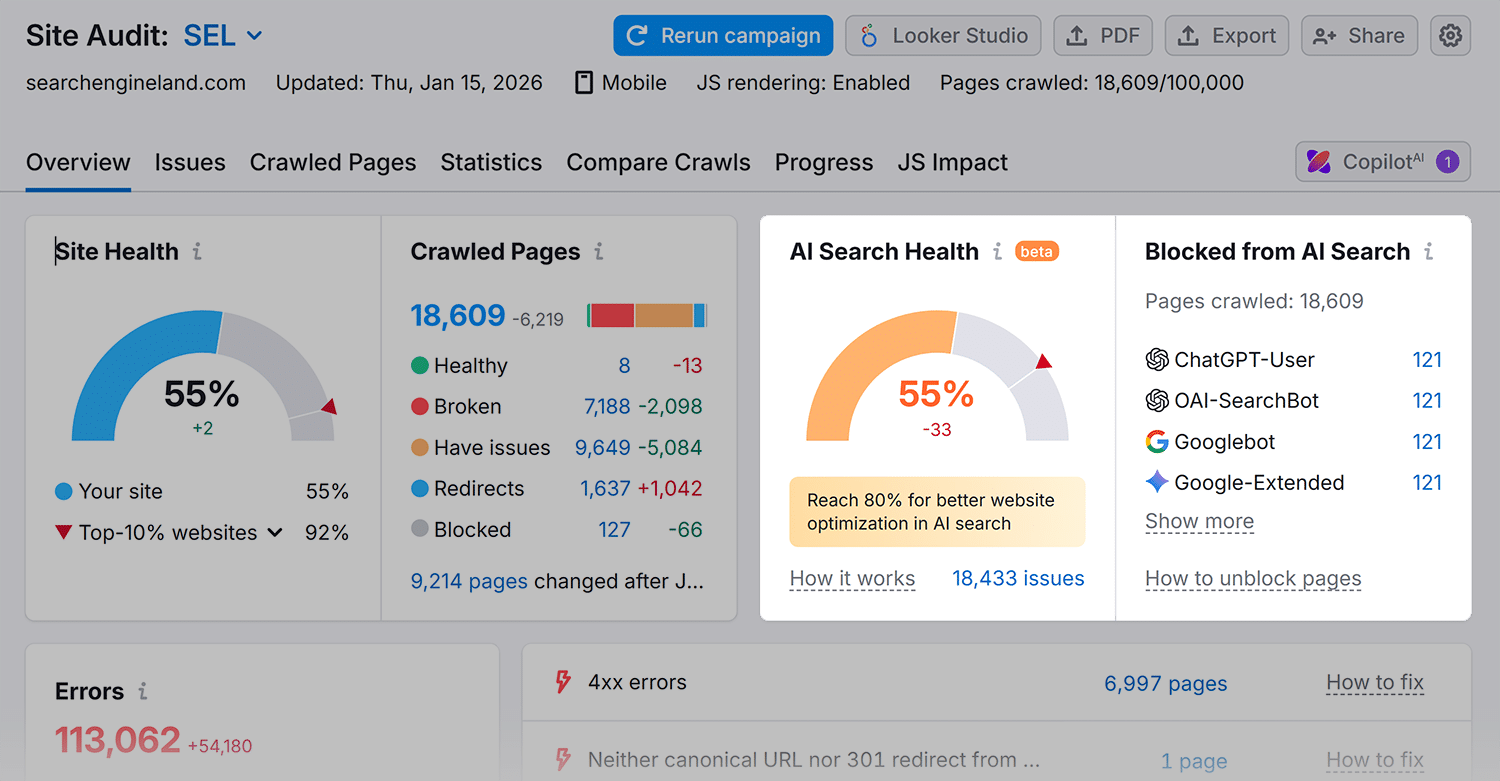
When dealing with large scale AI crawler traffic, it's important to have tools that can efficiently block or manage access without impacting your website's performance. Cloudflare AI Crawl Control is one such tool that allows you to set rules for how AI crawlers interact with your site. It provides features like rate limiting, IP blocking, and custom rules to help you manage crawler traffic effectively. Akamai Bot Manager is another powerful tool that offers advanced features for managing bot traffic, including AI crawlers. It allows you to identify and block malicious bots while ensuring that legitimate crawlers can access your site. By using these tools, you can scale your website's ability to handle AI crawler traffic, ensuring that your site remains secure and efficient even under high volumes of crawler activity.
AI Bot Traffic Benchmarks
Understanding the volume and behavior of AI bot traffic matters for managing your website effectively. Tools like Cloudflare's AI Insights Report provide detailed benchmarks and analytics on how AI crawlers interact with your site. These reports can help you identify trends in crawler activity, such as increases in traffic or changes in access patterns, allowing you to make data driven decisions about how to manage your website's crawler access. By analyzing these benchmarks, you can also identify potential issues such as over indexing or inefficient crawling behavior. This information can be used to optimize your website's performance and ensure that your resources are being used effectively. these benchmarks can help you compare your website's crawler activity with industry standards, providing insights into how you can improve your site's interaction with AI crawlers.
The Future of AI Crawling
As AI crawling technology continues to evolve, the way we manage crawler access is also changing. One emerging trend is the monetization of AI crawling through pay per crawl models. This approach allows website owners to charge crawlers for accessing their content, providing a new revenue stream while also controlling how much traffic their site receives. Cloudflare's pay per crawl feature is an example of this trend, offering a beta version that allows website owners to set rates for crawler access. This model not only helps manage traffic but also provides a way to monetize the value of your content. As this trend continues to develop, it's important to stay informed about new tools and strategies that can help you manage AI crawler access effectively.
Conclusion
Managing AI crawler access is a multifaceted task that requires a combination of technical tools, strategic planning, and ongoing monitoring. By using the right tools and strategies, you can ensure that your website remains efficient, secure, and aligned with your business goals. Whether you're optimizing for search engines, protecting sensitive data, or exploring new monetization opportunities, understanding how to manage AI crawler access matters for maintaining a strong online presence. As the digital landscape continues to evolve, staying informed and adaptable will be key to successfully navigating the challenges and opportunities of AI crawling.
A practical view on Core Updates and AI Links Are Changing SEO Signals, focused on the signal to inspect, the risk to avoid, and the decision it should change.
A practical view on The GEO Metrics That Make AI Visibility Measurable, focused on the signal to inspect, the risk to avoid, and the decision it should change.
A practical view on Visibility Now Starts Before the Search Result, focused on the signal to inspect, the risk to avoid, and the decision it should change.
A practical view on Recognition Is Becoming the More Useful SEO Goal, focused on the signal to inspect, the risk to avoid, and the decision it should change.
Comments
Comments are reviewed before they are published. Links are not allowed inside comments.


Comments
Comments are reviewed before they are published. Links are not allowed inside comments.