Local 5.0: the Next Evolution of Local SEO Is Here
/ 6 min read

Summary
Local marketing has evolved in distinct stages, with each evolution adding a requirement on top of the last rather than fully. The practical question is what this changes for SEO, content quality, and AI search visibility.

Local SEO has evolved through distinct stages, with each one building on what came before. The next stage, Local 5.0, is defined by AI's ability to interpret intent, evaluate evidence, and connect context to determine which businesses it can understand, trust, and recommend.
For multi location brands, that means connecting location data, local context, customer intent, and other signals to give AI the evidence it needs to evaluate each location. Success depends on making every location consistent, relevant, and trustworthy enough to earn recommendations, then measuring whether that visibility drives meaningful business outcomes.
The evolution of local search
Local marketing has evolved in distinct stages, with each evolution adding a requirement on top of the last rather than fully replacing it. Naming those stages makes it easier to see what's actually new and what's carried over from the. The practical read is that brand signals need to be consistent enough for both people and AI systems to form a stable view of the company, its expertise, and its trust signals.
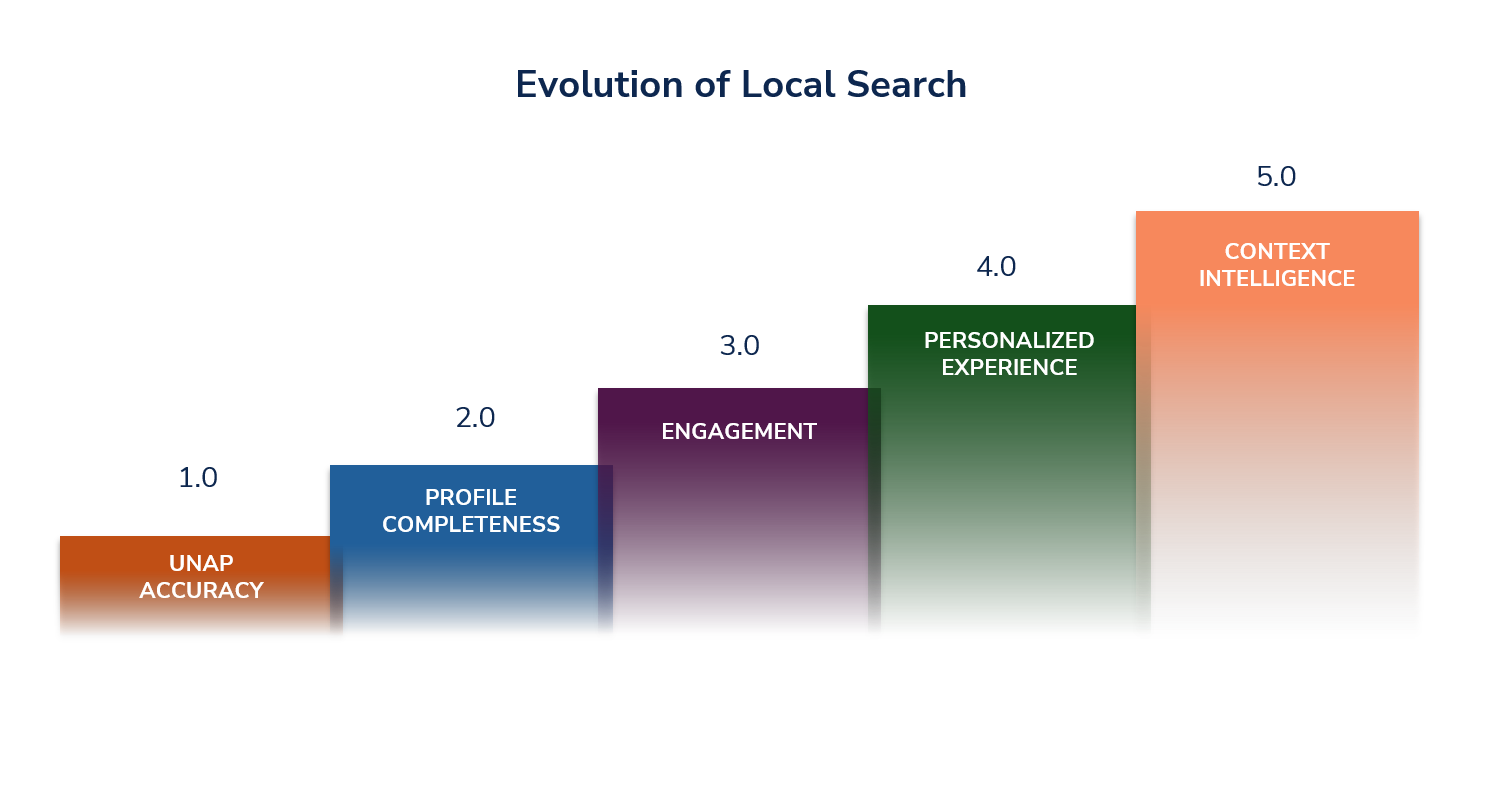
The operational question is whether the public business data is complete enough to support the query. Hours, categories, services, reviews, photos, and page content need to reinforce each other so Google can understand the business in a specific situation, not only as a generic listing.
Where local marketing started
Let's look at a quick roundup of the five stages we've seen so far for local marketing. At their most basic, these are the components that defined each evolution: Local 1.0, Listings and basic NAP consistency: The goal in the beginning. The practical read is that brand signals need to be consistent enough for both people and AI systems to form a stable view of the company, its expertise, and its trust signals.
So what makes Local 5.0 different?
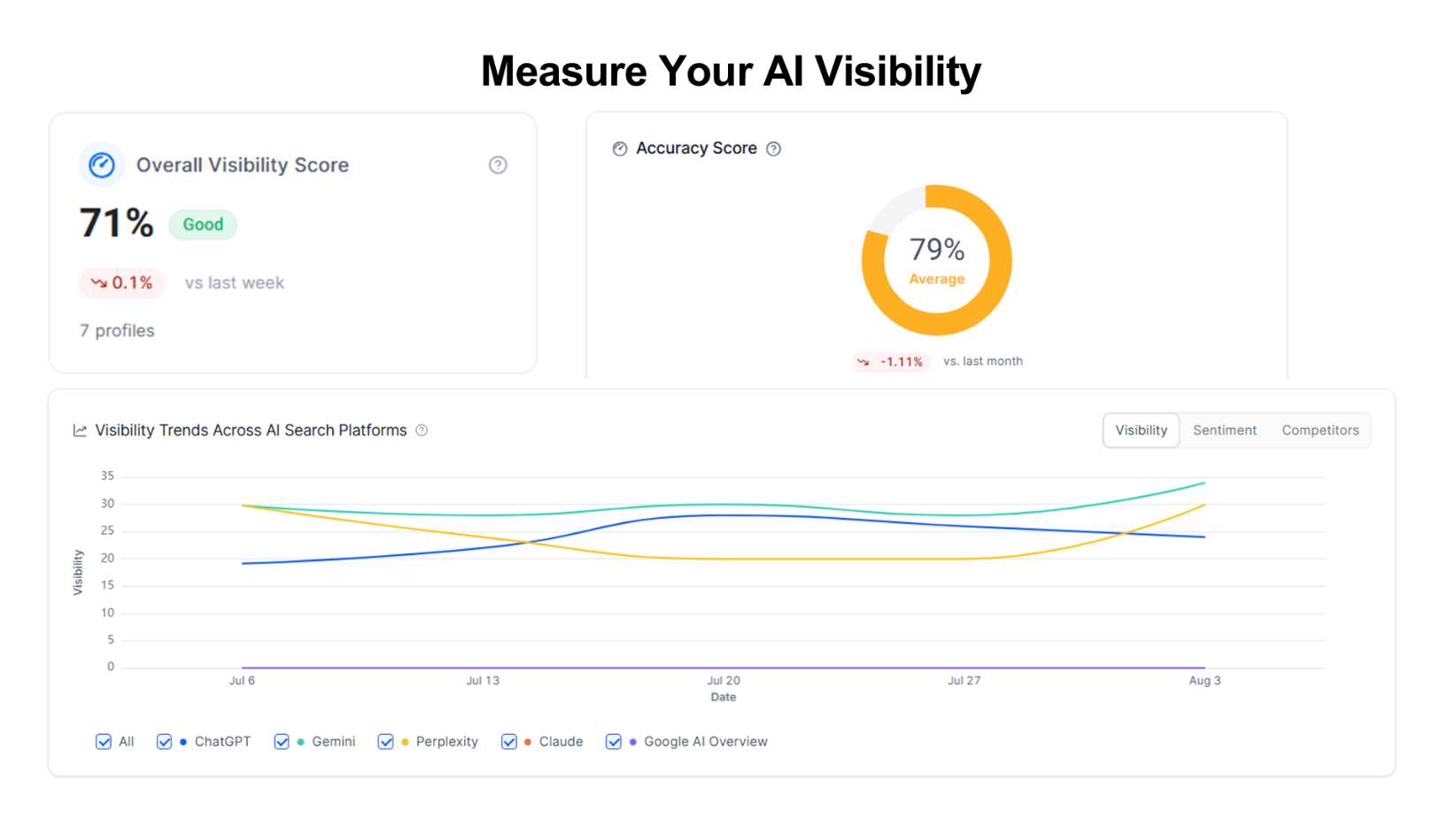
Each earlier local stage rewarded completeness: be listed, be reviewed, be optimized. Local 5.0 rewards something different. AI doesn't assume a location is a good fit. It looks for proof, and that proof has to exist somewhere it can read. Local visibility depends on whether the details across pages, profiles, categories, reviews, photos, and service descriptions reinforce the same answer for a specific location based query.
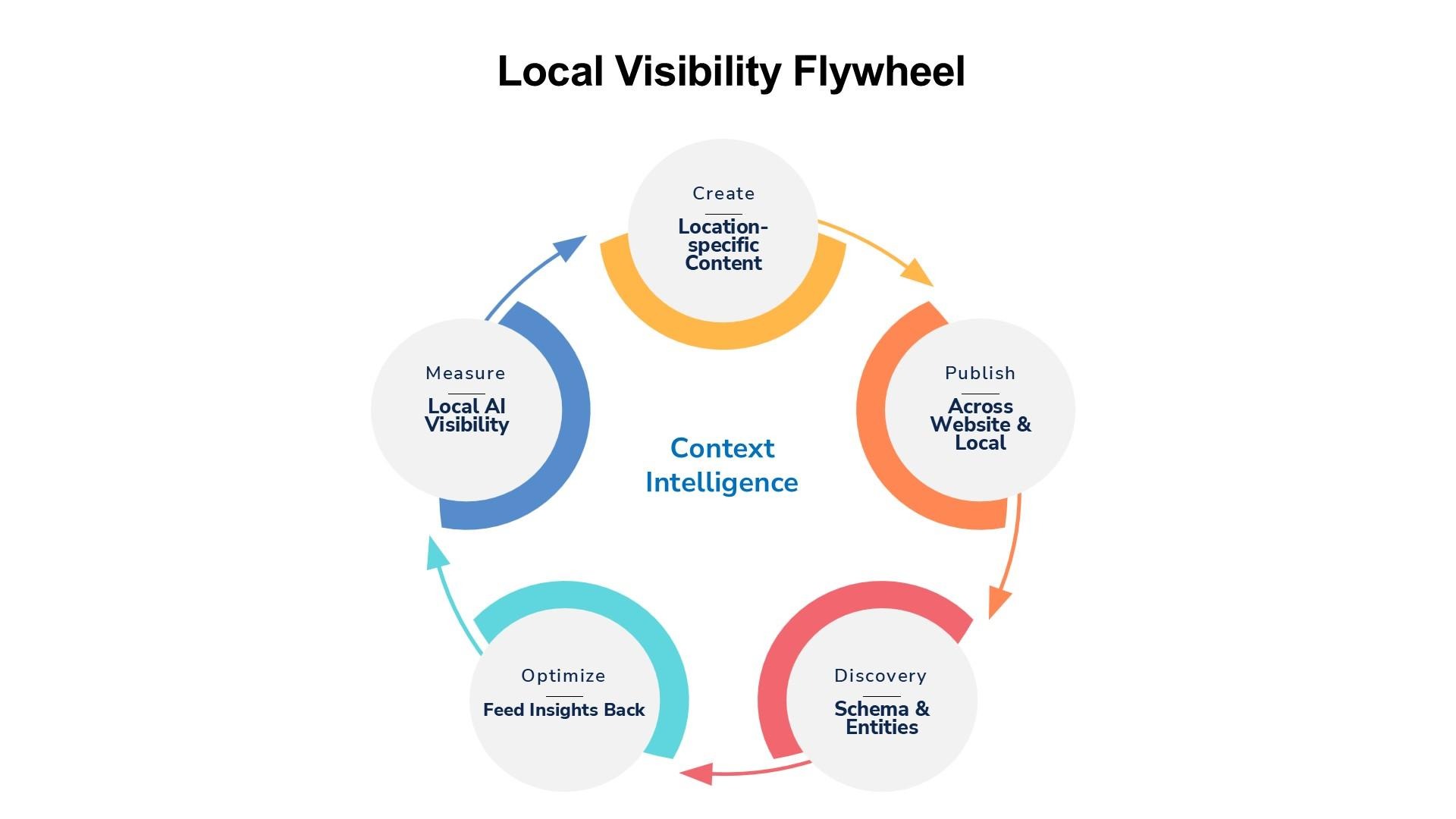
AI works on evidence
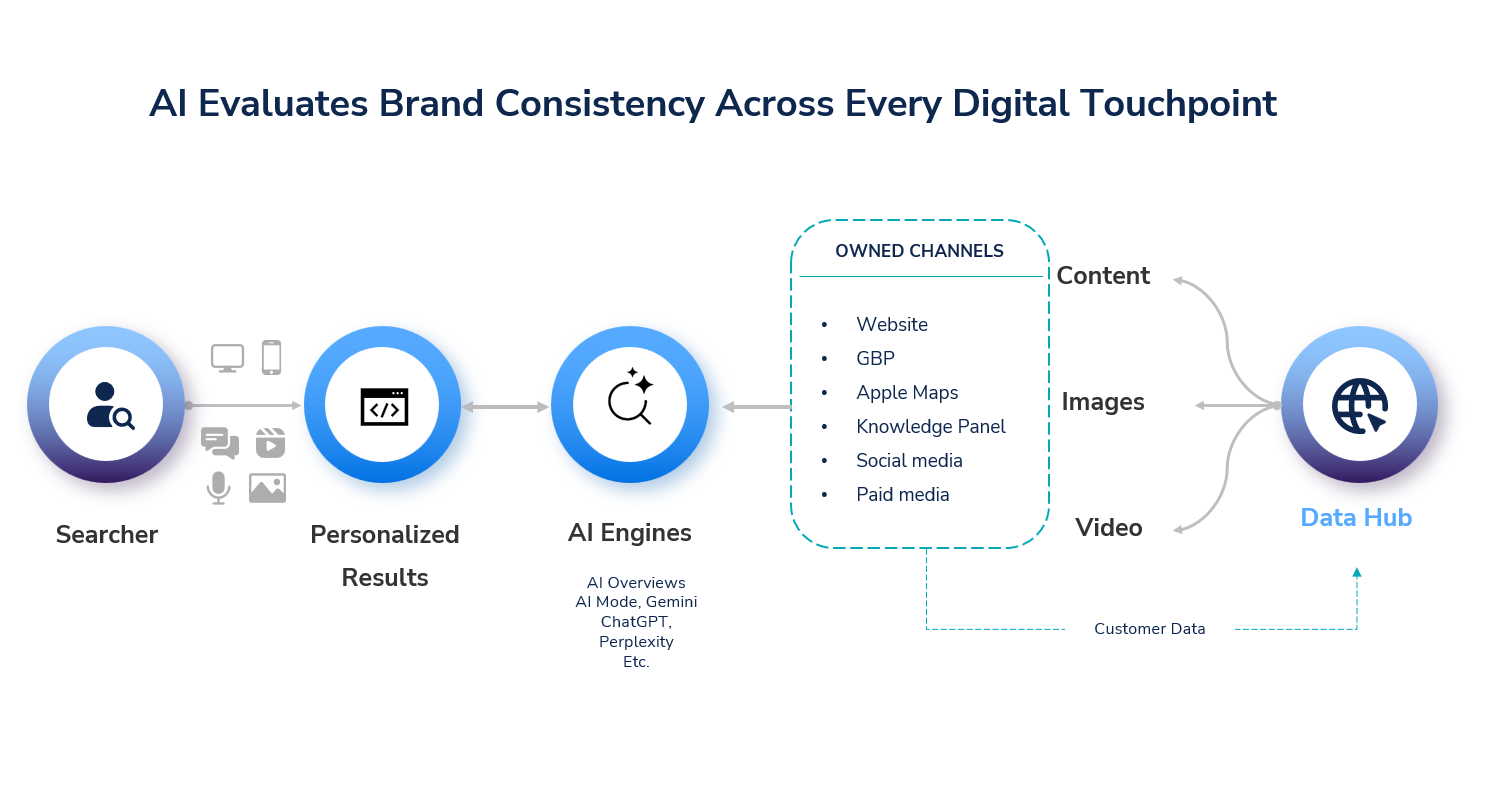
Google's AI first direction, combined with the rapid adoption of ChatGPT, Gemini, Perplexity, and other AI assistants, marks the beginning of Local 5.0, a stage where AI doesn't simply index business information. AI determines which. The practical read is that brand signals need to be consistent enough for both people and AI systems to form a stable view of the company, its expertise, and its trust signals.
Brand consistency with local relevance
For multi location enterprises, this presents both a tremendous opportunity and a significant challenge. Traditional local SEO focused on websites, listings, and reviews to rank well in the SERPs. AI evaluates something much broader:. The practical read is that brand signals need to be consistent enough for both people and AI systems to form a stable view of the company, its expertise, and its trust signals.
Trusted: AI ready foundation of location data
Most enterprises suffer from disconnected data. Customer information, listings, booking systems, CRM, reviews, operational systems, and local content often exist in silos, creating conflicting signals that reduce AI's confidence in its. Local visibility depends on whether the details across pages, profiles, categories, reviews, photos, and service descriptions reinforce the same answer for a specific location based query.
Rich context wins
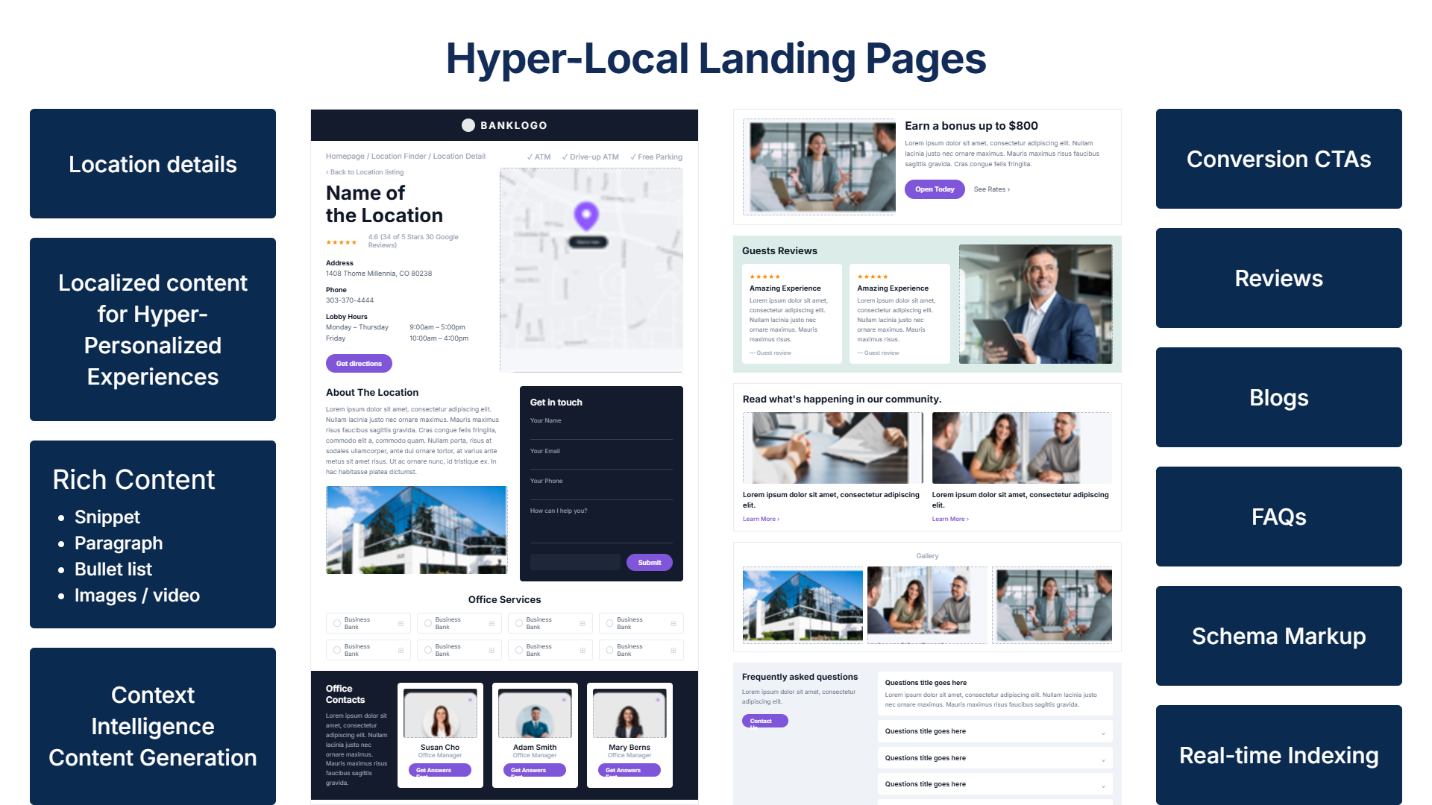
Generic location pages are no longer sufficient. AI is expected to answer highly specific customer questions, such as whether a hotel is family friendly, a clinic accepts a particular insurance plan, or whether a bank branch offers. Local visibility depends on whether the details across pages, profiles, categories, reviews, photos, and service descriptions reinforce the same answer for a specific location based query.
The Local 5.0 roadmap
Now that you know where you need to go, how do you do it? Let's look at the five steps that will move you toward being successful at local marketing in Local 5.0. Local visibility depends on whether the details across pages, profiles, categories, reviews, photos, and service descriptions reinforce the same answer for a specific location based query. This connects with Here’s the Fix when the same signal needs a clearer operating decision.
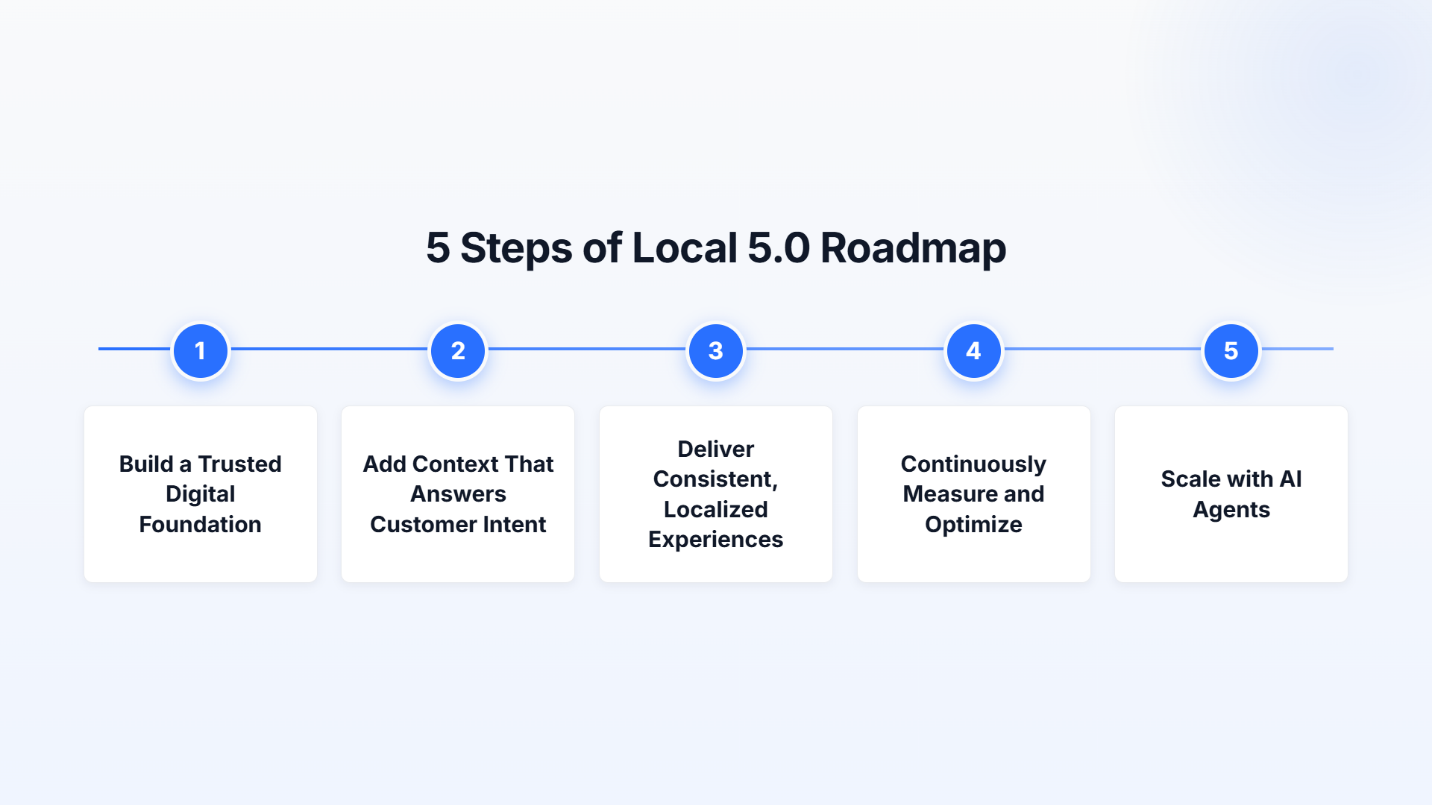
Step 1: Build a trusted digital foundation
AI can only recommend businesses it understands and trusts. Start with a governed source of truth for every location by connecting your knowledge graph, structured data, website, Google Business Profile[s], maps, and directories. Local visibility depends on whether the details across pages, profiles, categories, reviews, photos, and service descriptions reinforce the same answer for a specific location based query.
Step 2: Add context that answers customer intent
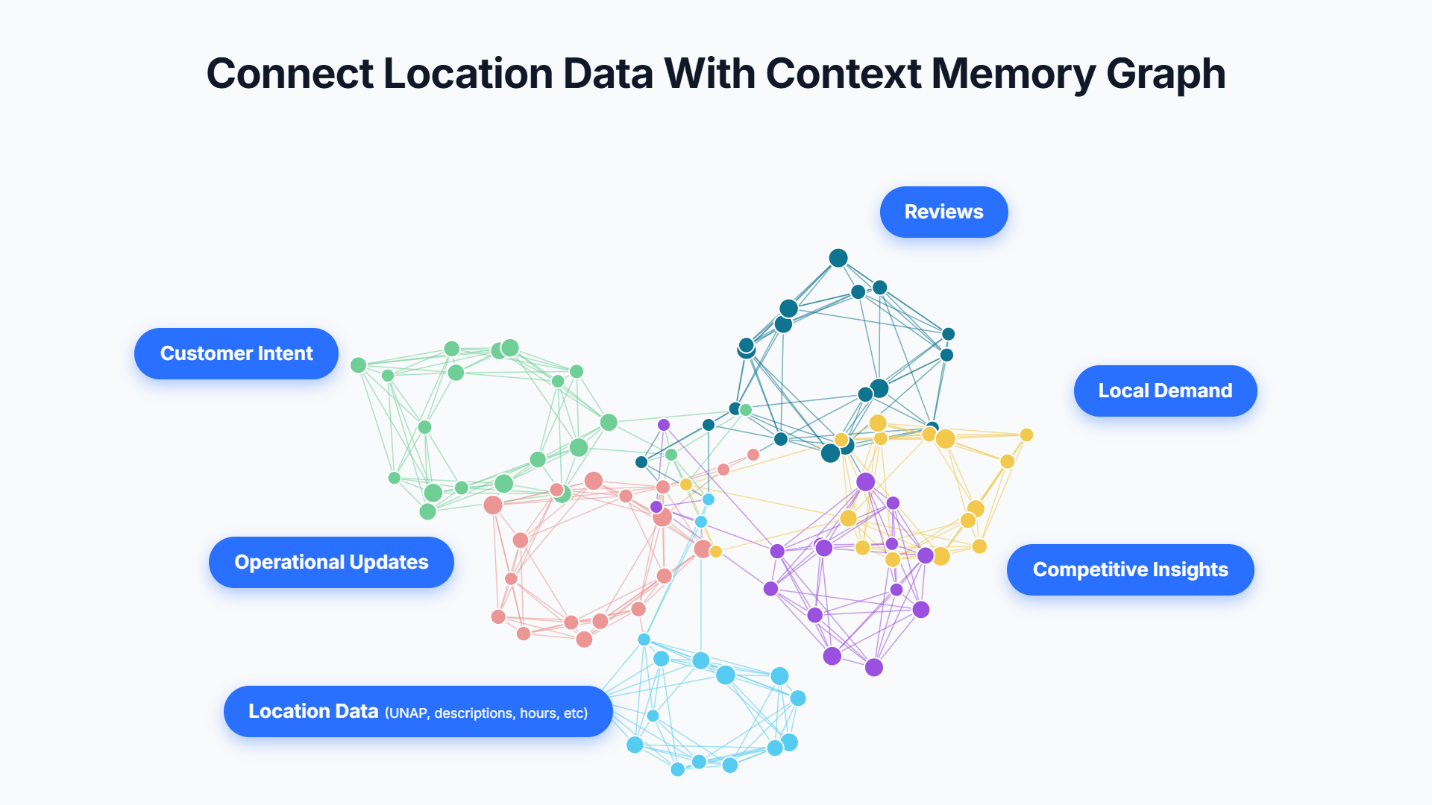
Facts alone don't earn recommendations. AI needs context to answer customer questions and compare businesses. You can help it do that by connecting location data with reviews, customer intent, local demand, operational updates, and. Local visibility depends on whether the details across pages, profiles, categories, reviews, photos, and service descriptions reinforce the same answer for a specific location based query.
What the visibility signal actually changes
What the visibility signal actually changes: local 5.0: the Next Evolution of Local SEO Is Here: the Operator's View should be treated as a visibility signal, not a standalone headline. Introduction Local SEO has evolved through distinct stages, with each one building on what came before. The next stage, Local 5.0, is defined by AI's ability to interpret intent, evaluate evidence, and connect context to determine which businesses it can. A useful companion note is Local Signals AI Now Reads, because it looks at a nearby part of the same system. The same pattern also shows up in Not Replace the Worker, where the practical question is how the signal becomes visible.
What the visibility signal actually changes: the practical question is whether the page, brand evidence, and surrounding content make the answer easier to trust. If that support is weak, search systems can still understand the topic but fail to connect it confidently to the brand.
What the visibility signal actually changes: that is why the response should begin with an audit of the evidence already on the site before creating a new asset. The fastest improvement is often a clearer page, a better internal link, or a stronger explanation of why the brand belongs in the answer.
Where the evidence needs to be tested
Where the evidence needs to be tested: a single study or ranking observation should not become a strategy by itself. It should become a diagnostic prompt: which source is being trusted, which query pattern is affected, and which part of the site would make that trust easier to earn?
Where the evidence needs to be tested: that keeps the response grounded. The goal is to improve the evidence chain around the topic rather than publish another summary that repeats what every other page already says.
Where the evidence needs to be tested: the important distinction is between a useful signal and a fashionable talking point. A useful signal changes the brief, the page structure, the linking plan, or the measurement view.
How to avoid overreacting to one data point
How to avoid overreacting to one data point: for content teams, the strongest move is to map the claim to existing assets before creating anything new. The right page may already exist, but it may need clearer headings, stronger internal links, fresher proof, or a better explanation of why the brand belongs in the answer.
How to avoid overreacting to one data point: this is also where title rewriting matters. A title should not copy the source headline; it should frame the practical implication so readers immediately know why the topic deserves attention.
How to avoid overreacting to one data point: the same standard should apply to every section. Each heading needs to earn its place by moving the reader through the evidence, not by repeating the outline in a more polished voice.
Comments
Comments are reviewed before they are published. Links are not allowed inside comments.