Multi Location Search Visibility: Winning in Google & AI
/ 7 min read

Summary
With agentic technology emerging, there may even be a point in time where users rarely visit our website at all, as the platforms. The practical question is what this changes for SEO, content quality, and AI search visibility.
Multi location brands are currently reviewing their Google Search Console click traffic, comparing 2026 to 2025, and trying to convince themselves and key stakeholders that AI Overviews are responsible for a year over year drop in non branded clicks. Today, visibility is distributed across a multitude of destinations, including features in Google Maps such as "Ask Maps," AI Overviews, AI Mode, ChatGPT, Gemini, Perplexity, Apple Maps, and social search.
The challenge for multi location brands is that while more locations create more opportunities, they also create more complexity. This is why enterprise and franchise brands require a completely different approach than single location businesses.
The Modern Local Discover Ecosystem
With agentic technology emerging, there may even be a point in time where users rarely visit our website at all, as the platforms will provide the appropriate integrations for users to transact directly within them. The new Local Search. The practical read is that brand signals need to be consistent enough for both people and AI systems to form a stable view of the company, its expertise, and its trust signals.
The operational question is whether the public business data is complete enough to support the query. Hours, categories, services, reviews, photos, and page content need to reinforce each other so Google can understand the business in a specific situation, not only as a generic listing.
From Rankings To Recommendations
As we wrap our heads around this "evolution of search visibility," a common perception is that traditional SEO focused on rankings, where modern discovery focuses on recommendations. At a very broad level, the experience differences can be. Local visibility depends on whether the details across pages, profiles, categories, reviews, photos, and service descriptions reinforce the same answer for a specific location based query.
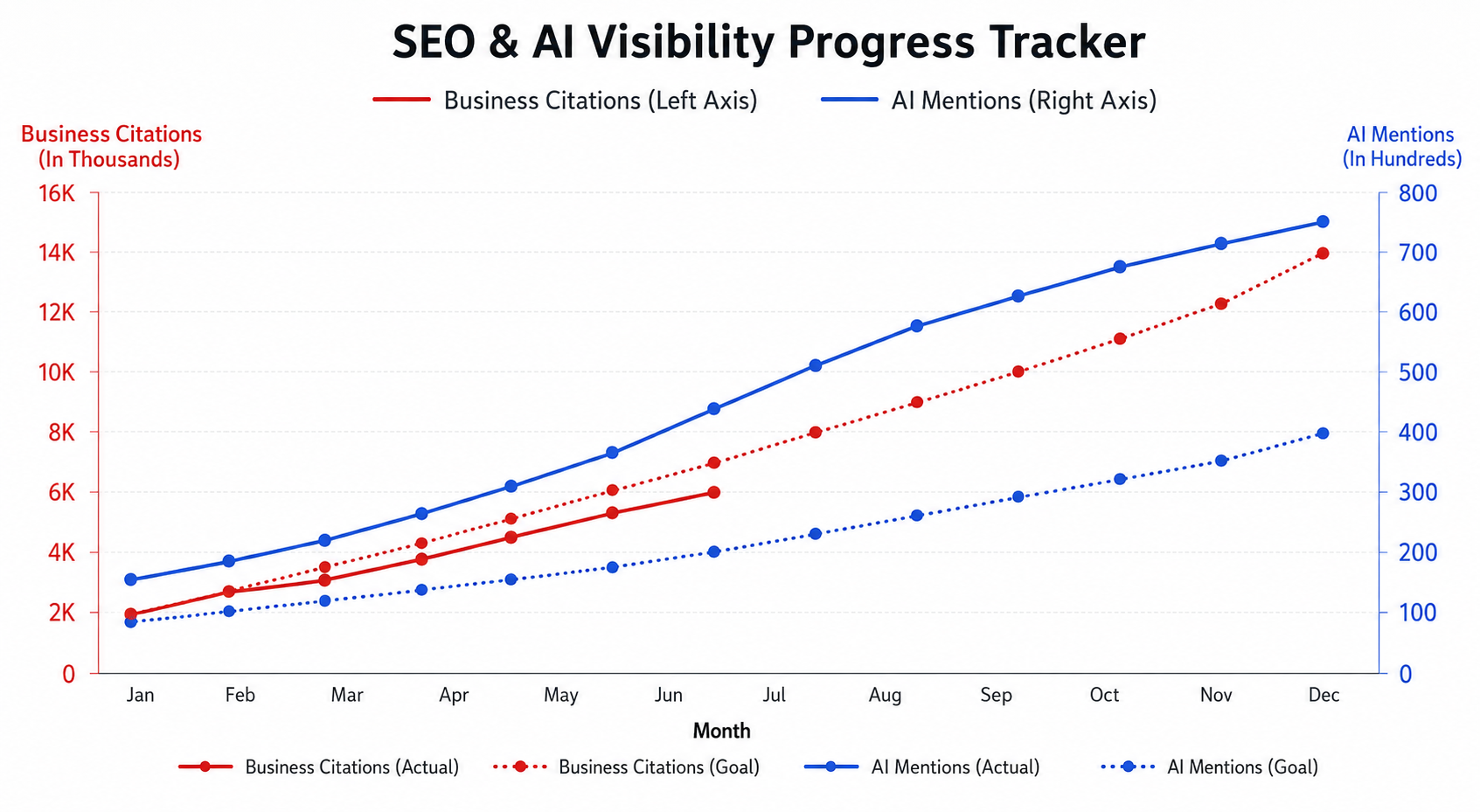
The useful check is whether this improves the system behind search performance, not only the words on the page. Internal links, crawlable content, clear entities, current evidence, and a sensible page structure all help the recommendation become easier to trust.
4 Pillars Of Multi Location Search Visibility
Introduction Multi location brands are currently reviewing their Google Search Console click traffic, comparing 2026 to 2025, and trying to convince themselves and key stakeholders that AI Overviews are responsible for a year over year. For search teams, the important part is not the headline movement by itself. It is whether the shift changes which communities, forums, video surfaces, or publisher pages now satisfy the query better than the old ranking pattern.
The reporting question is whether this signal changes a decision. If it only creates another number in a dashboard, it adds noise. If it helps separate profile activity, website visits, calls, bookings, and direction requests, it can make local performance easier to understand.
Pillar 1: Business Data Accuracy & Consistency
In terms of trust, local business data remains the foundation of local visibility. This includes elements such as: This is where those platforms mentioned above come into play. Common challenges for multi location brands include rebrands,. For search teams, the important part is not the headline movement by itself. It is whether the shift changes which communities, forums, video surfaces, or publisher pages now satisfy the query better than the old ranking pattern. This connects with AI Search Cites Reddit when the same signal needs a clearer operating decision. A useful companion note is Home Depot Is Winning AI Search, because it looks at a nearby part of the same system.
Pillar 1 Action Items
use AI to uncover data inconsistencies. Ensure every field is optimized and consistent across the web. Work with your data management platform to address at scale where possible. The practical question is what this changes in the system: the page structure, the evidence presented, the measurement habit, or the way the topic is connected to related work.
The risk is usually hidden in the execution layer. A page can look fine to a human and still fail for an automated visitor if the form, call to action, rendering path, or confirmation step is not accessible enough for the agent to complete the task.
Pillar 2: Location Page Quality & Relevance
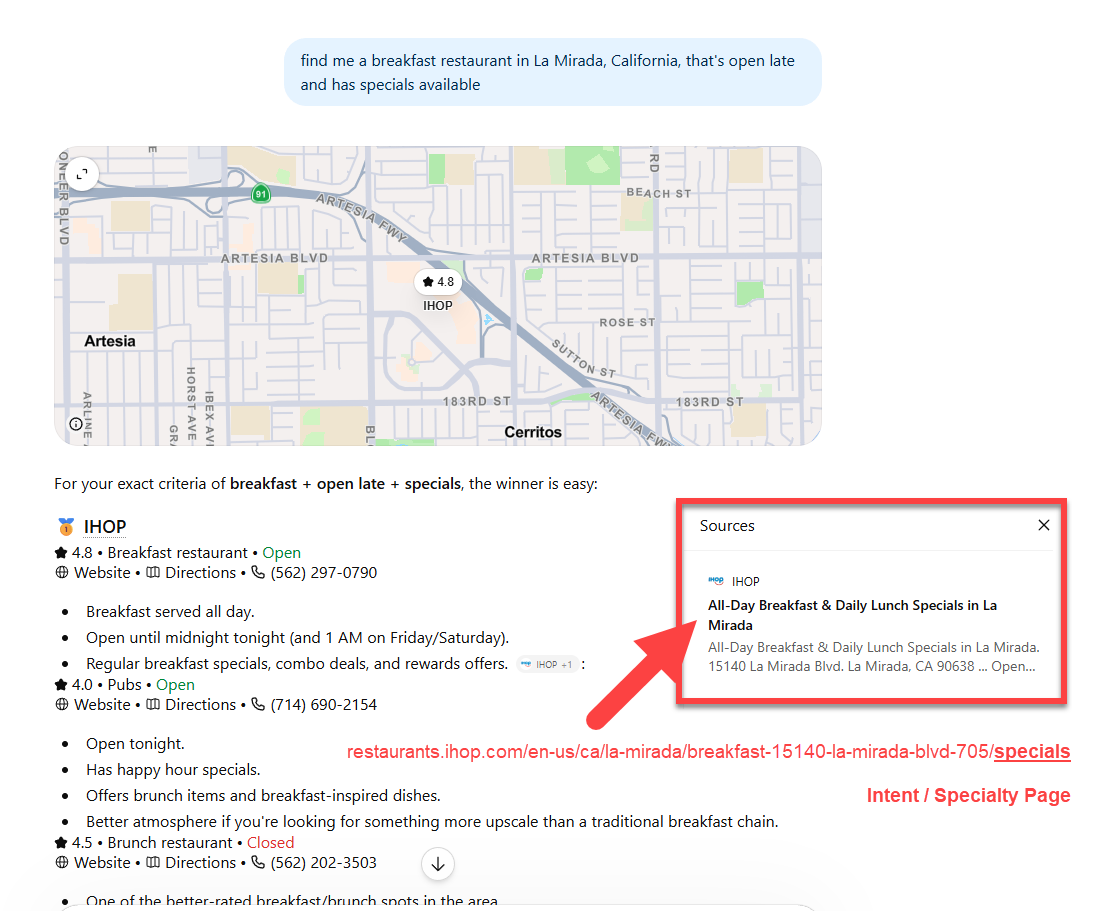
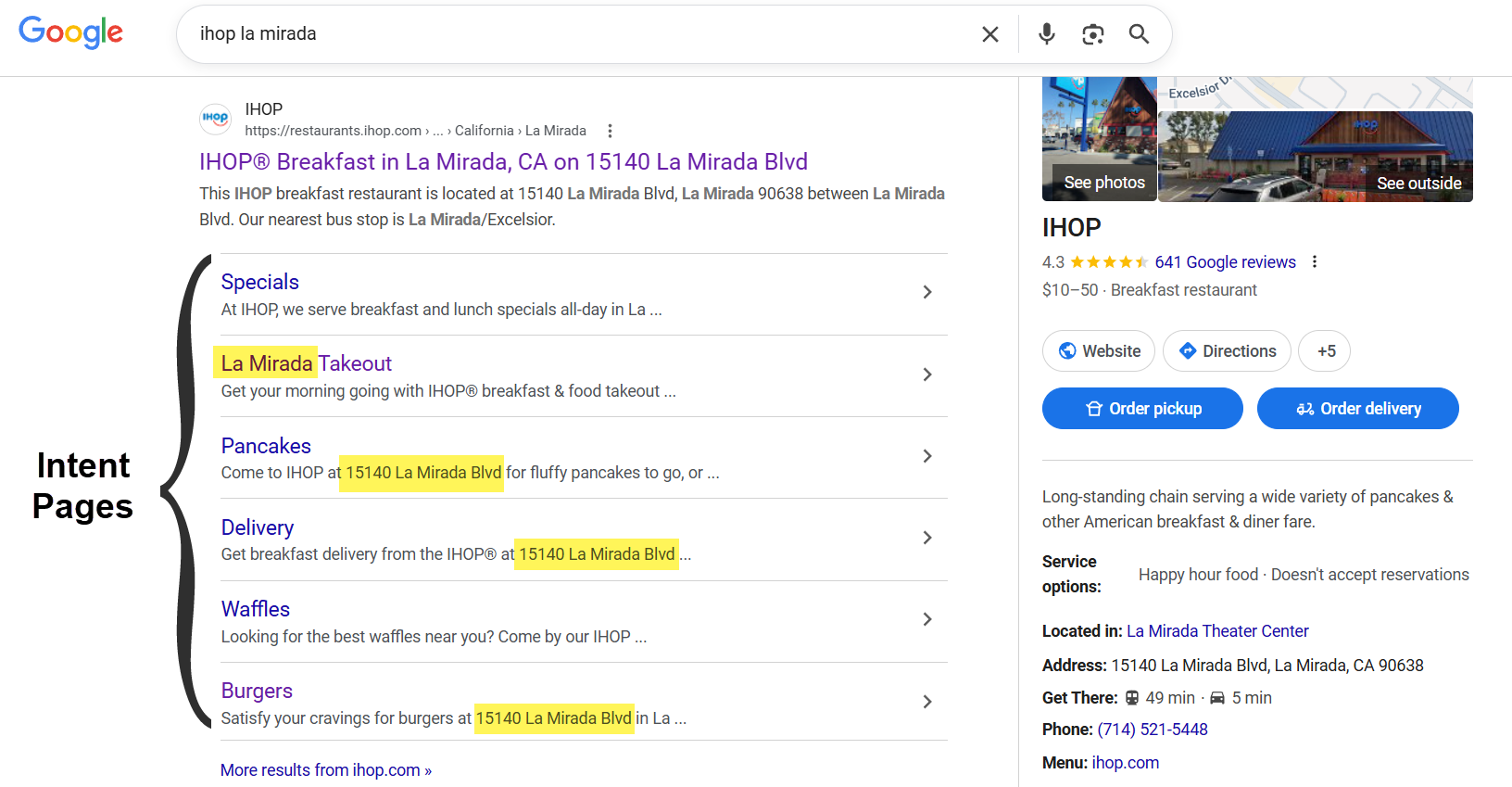
If you got a chill when we mentioned "UGC" earlier, this pillar should do the opposite, as your location pages are owned and managed by you. Optimizing your location landing page (LLP) and intent or specialty pages seems simple enough. The practical read is that brand signals need to be consistent enough for both people and AI systems to form a stable view of the company, its expertise, and its trust signals.
Pillar 2 Action Items
use AI to uncover landing page opportunities based on the competitive landscape. Discuss and research appropriate intent/specialty pages based on business objectives. Schedule tests and rollouts of the attributes above with content. The search implication is whether the section improves the evidence around the page, not simply whether it adds more wording. Clear entities, crawlable structure, internal links, and useful context are what make the topic easier to evaluate.
Pillar 3: Ecosystem Visibility & Third Party Validation
In modern search, one marketing objective is to think beyond the Google Business Profile. In the same way that many businesses switched their door placards and point of sale reminders from Yelp to Google reviews, today we're testing moving. For search teams, the important part is not the headline movement by itself. It is whether the shift changes which communities, forums, video surfaces, or publisher pages now satisfy the query better than the old ranking pattern.
Pillar 3 Action Items
For traditional search (used by LLM "RAG" processes), ensure all destinations listed above are addressed with your data management platform. Research LLM citation sources for local queries, and add applicable opportunities to the roadmap. The practical read is that brand signals need to be consistent enough for both people and AI systems to form a stable view of the company, its expertise, and its trust signals.
Pillar 4: Reputation & Trust Signals
As mentioned earlier, it's time to break out of the "Leave a Review on Google" bubble and expand our horizons to influence our visibility in LLMs. OpenAI (ChatGPT) has never made a public statement about ingesting Google Maps reviews when. The practical read is that brand signals need to be consistent enough for both people and AI systems to form a stable view of the company, its expertise, and its trust signals.
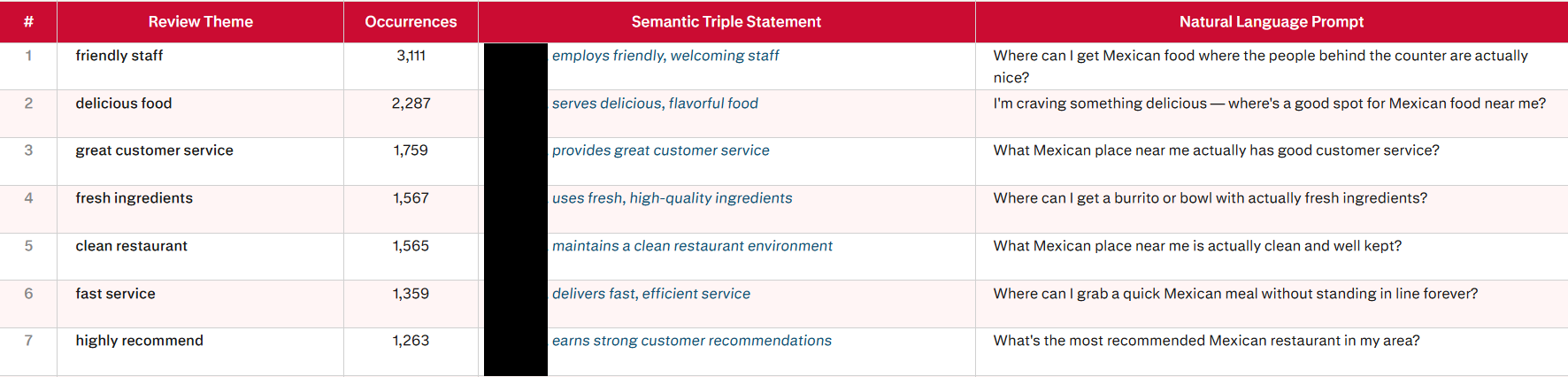
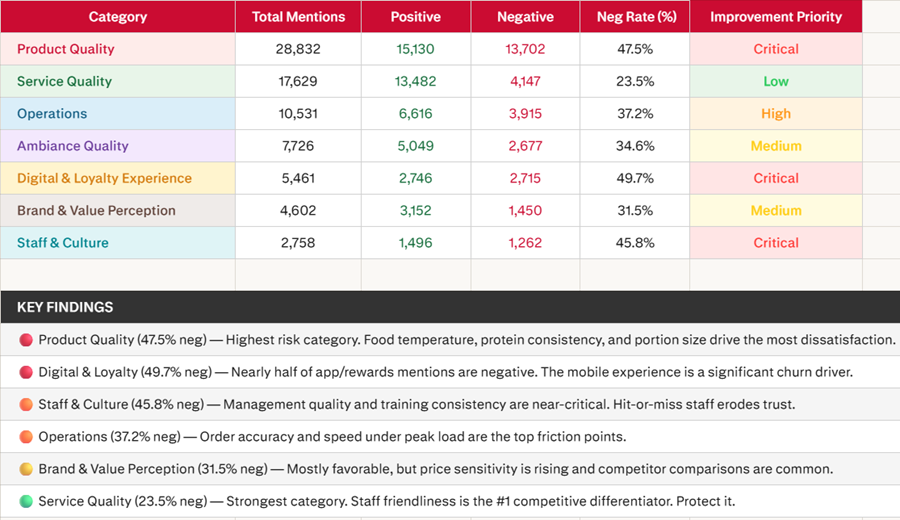
What the visibility signal actually changes
What the visibility signal actually changes: multi Location Search Visibility: Winning in Google & AI: the Practical Angle should be treated as a visibility signal, not a standalone headline. Introduction Multi location brands are currently reviewing their Google Search Console click traffic, comparing 2026 to 2025, and trying to convince themselves and key stakeholders that AI Overviews are responsible for a year over year drop in non branded. The same pattern also shows up in Here’s the Fix, where the practical question is how the signal becomes visible.
What the visibility signal actually changes: the practical question is whether the page, brand evidence, and surrounding content make the answer easier to trust. If that support is weak, search systems can still understand the topic but fail to connect it confidently to the brand.
What the visibility signal actually changes: that is why the response should begin with an audit of the evidence already on the site before creating a new asset. The fastest improvement is often a clearer page, a better internal link, or a stronger explanation of why the brand belongs in the answer.
Where the evidence needs to be tested
Where the evidence needs to be tested: a single study or ranking observation should not become a strategy by itself. It should become a diagnostic prompt: which source is being trusted, which query pattern is affected, and which part of the site would make that trust easier to earn?
Where the evidence needs to be tested: that keeps the response grounded. The goal is to improve the evidence chain around the topic rather than publish another summary that repeats what every other page already says.
Where the evidence needs to be tested: the important distinction is between a useful signal and a fashionable talking point. A useful signal changes the brief, the page structure, the linking plan, or the measurement view.
Comments
Comments are reviewed before they are published. Links are not allowed inside comments.