The New Playbook for Localized AI Search Optimization
/ 8 min read

Summary
One of the first steps in an AI search strategy is identifying which brands LLMs recommend most often and finding out what. The practical question is what this changes for SEO, content quality, and AI search visibility.

For years, the formula for local visibility was relatively stable. If you optimized your website, kept your Google Business Profile current, secured a handful of citations, and gathered a steady stream of reviews, you could generally compete. It was a technical game of checkboxes. A useful companion note is New Google Business Profile Playbook, because it looks at a nearby part of the same system. The same pattern also shows up in 4 Layer AI Ops Playbook, where the practical question is how the signal becomes visible.
But the arrival of AI powered search has changed the nature of the game. We are moving away from a world of "ranking" and into a world of "recommendations." When a user asks an AI for the best plumber in Denver, the AI isn't just looking at a list of keywords; it is synthesizing a digital version of word of mouth. It is looking for evidence of reputation, authority, and consensus across the entire web.
In this new environment, the traditional SEO tasks haven't disappeared, they've just become the baseline. To actually stand out, you have to shift your focus from managing your own assets to shaping what the rest of the internet says about you.
Mapping your AI visibility through competitor research
You cannot optimize for a system that is a "black box" without first observing its outputs. The first step in any AI search strategy is to understand who the LLMs (Large Language Models) are currently favoring and why.
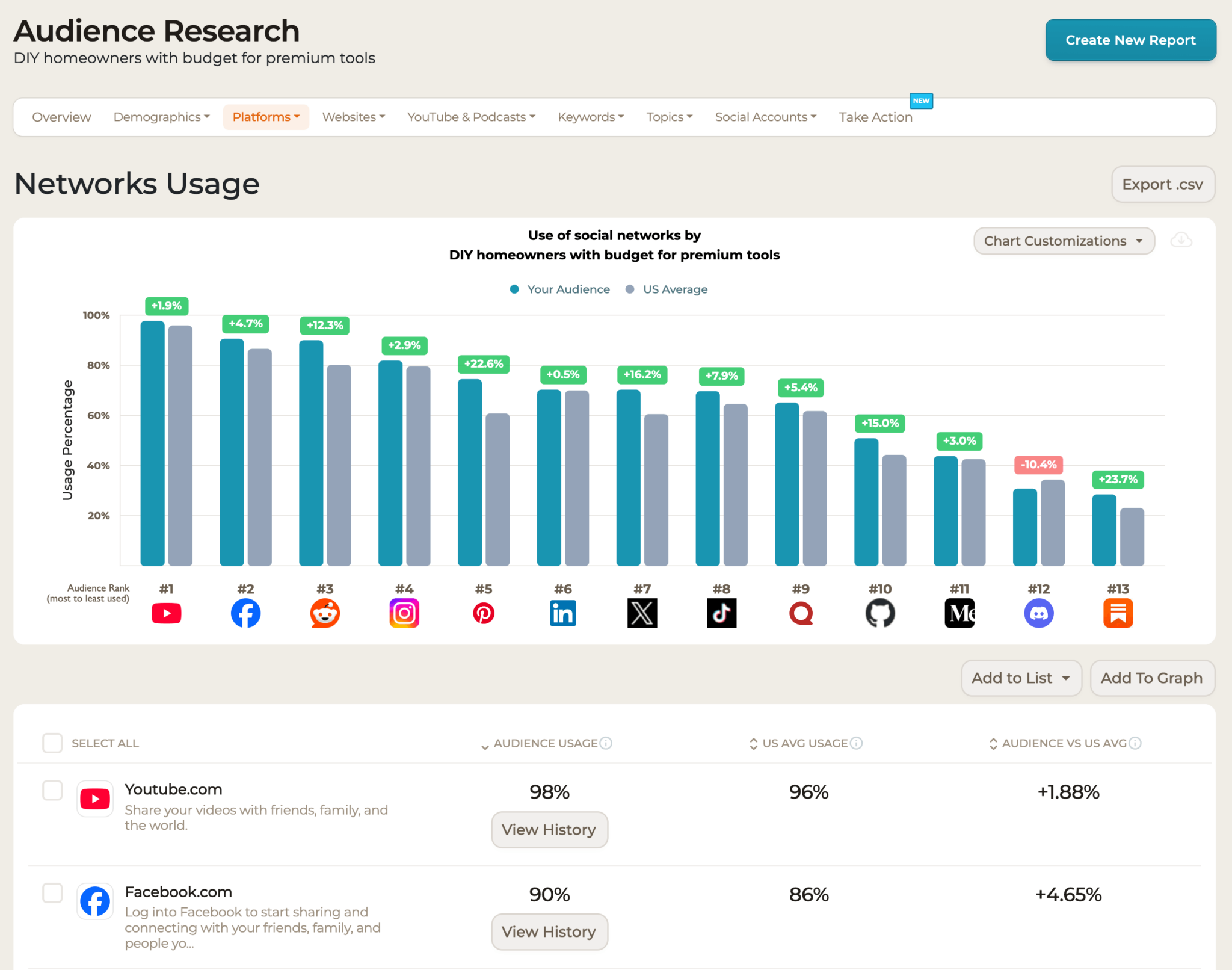
Identifying the brands AI prefers
AI responses are not static; they are probabilistic. If you ask the same question twice, you might get two different answers. To get a real sense of your standing, you need to run your primary brand and category searches multiple times, at least 20 iterations, to identify patterns in who is being recommended.
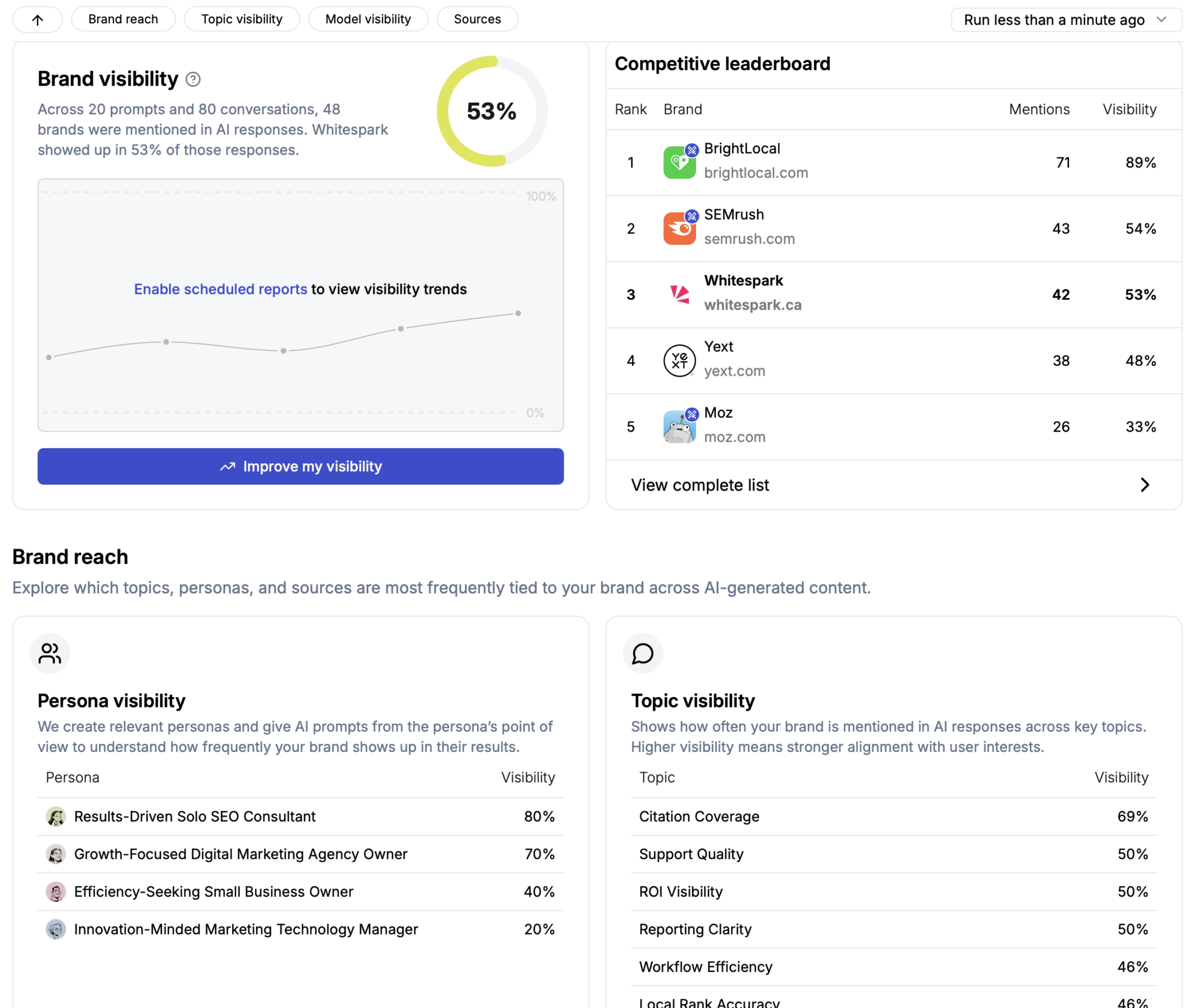
While you can do this manually, there are tools like Waikay or Gumshoe that automate this process. They use synthetic prompts to simulate how a user might search for your services, providing a clearer picture of your "share of voice" in AI responses.
Analyzing the source of the recommendations
Once you know who the AI is recommending, the next question is: Why? You need to look at the citations and sources the AI provides. LLMs don't invent recommendations; they aggregate them from existing data. By identifying the specific blogs, directories, or industry sites the AI cites, you can find the "nodes" of trust that the AI is relying on.
Closing the gap in brand mentions
The goal here is simple: if the AI is citing a specific set of sites to make its recommendations, you need to be on those sites. If the AI frequently cites local "best of" blogs, you should focus your outreach there. If it's pulling from industry specific podcasts or YouTube channels, those are your new priority targets. You are essentially reverse engineering the AI's trust graph and inserting your brand into it. This connects with to Get Cited & Stay Visible when the same signal needs a clearer operating decision.
Expert Interpretation: This is a shift from "link building" to "mention building." In traditional SEO, a link was a vote of confidence. In AI search, a mention in a trusted context is a data point. The tradeoff here is time; manual outreach is slower than technical optimization. The key decision for a business owner is whether to spend their budget on a technical agency or a PR focused approach that builds these external mentions.
Modernizing your review strategy for AI
For a decade, the Google Review was the gold standard. While still vital, relying solely on one platform creates a single point of failure in an AI driven ecosystem. AI models look for consensus across multiple independent sources to verify that a business is actually high quality.
Diversifying where you collect feedback
To build a strong AI profile, you need to spread your reputation across various platforms. This means actively seeking reviews on Facebook, Yelp, the Better Business Bureau, and any industry specific sites that carry weight in your field. When an AI sees positive sentiment across four different platforms, the confidence level of its recommendation increases significantly.
Moving beyond generic review requests
A review that says "Great service!" is helpful for a human, but it's nearly useless for an AI. AI systems cite specific details from reviews to answer complex user queries. If a user asks, "Which plumber in Denver is best for emergency pipe bursts in old homes?", the AI will look for reviews that specifically mention "emergency," "pipe bursts," and "old homes."
Instead of asking for a general review, guide your customers. Ask them to describe the specific problem you solved or the quality of a particular product. The more detailed the review, the more "hooks" the AI has to pull your business into a specific, long tail query.
The importance of the response
Many businesses treat review responses as a courtesy or a customer service task. However, AI models read your responses as part of the business's data set. Your responses are an opportunity to reinforce your brand's identity and services in a way that the AI can index.
Expert Interpretation: The tradeoff here is the "management overhead." It is much easier to manage one Google profile than five different review sites. However, the risk of ignoring diversification is that you remain invisible to AI models that weigh non Google data heavily. The decision to make is: which 2 to 3 additional platforms are most relevant to your specific customer's journey?
Expanding your digital footprint
AI models are designed to scour the web for any available information to build a complete profile of a business. This means that even obscure mentions can contribute to your overall visibility.
To be "everywhere," you should look beyond your own website. This includes appearing on local industry podcasts, contributing to video channels, and ensuring you are listed on "best of" lists within your city or niche. The goal is to create a wide web of signals that all point back to your brand.
If you aren't sure where to start, tools like Sparktoro can help you identify where your target audience actually spends their time. There is no point in being active on a platform that neither your customers nor the AI models value.
Expert Interpretation: This is essentially "digital PR." The tradeoff is that these activities often have a delayed ROI compared to a paid ad. The decision point here is resource allocation: are you spending your time on "safe" activities (like updating your website) or "growth" activities (like guesting on a local podcast)? The latter is what creates the "word of mouth" signal AI craves.
Structuring content for machine readability
We have entered an era where we must write for two audiences simultaneously: the human reader and the machine. While humans want storytelling and nuance, AI models want clarity and directness.
The power of the "grounding snippet"
Research into "grounding snippets", the specific sentences Google selects to build an AI answer, shows that the system prefers content that is semantically close to the user's query and located early on the page. This means the "inverted pyramid" style of journalism is now a requirement for SEO.
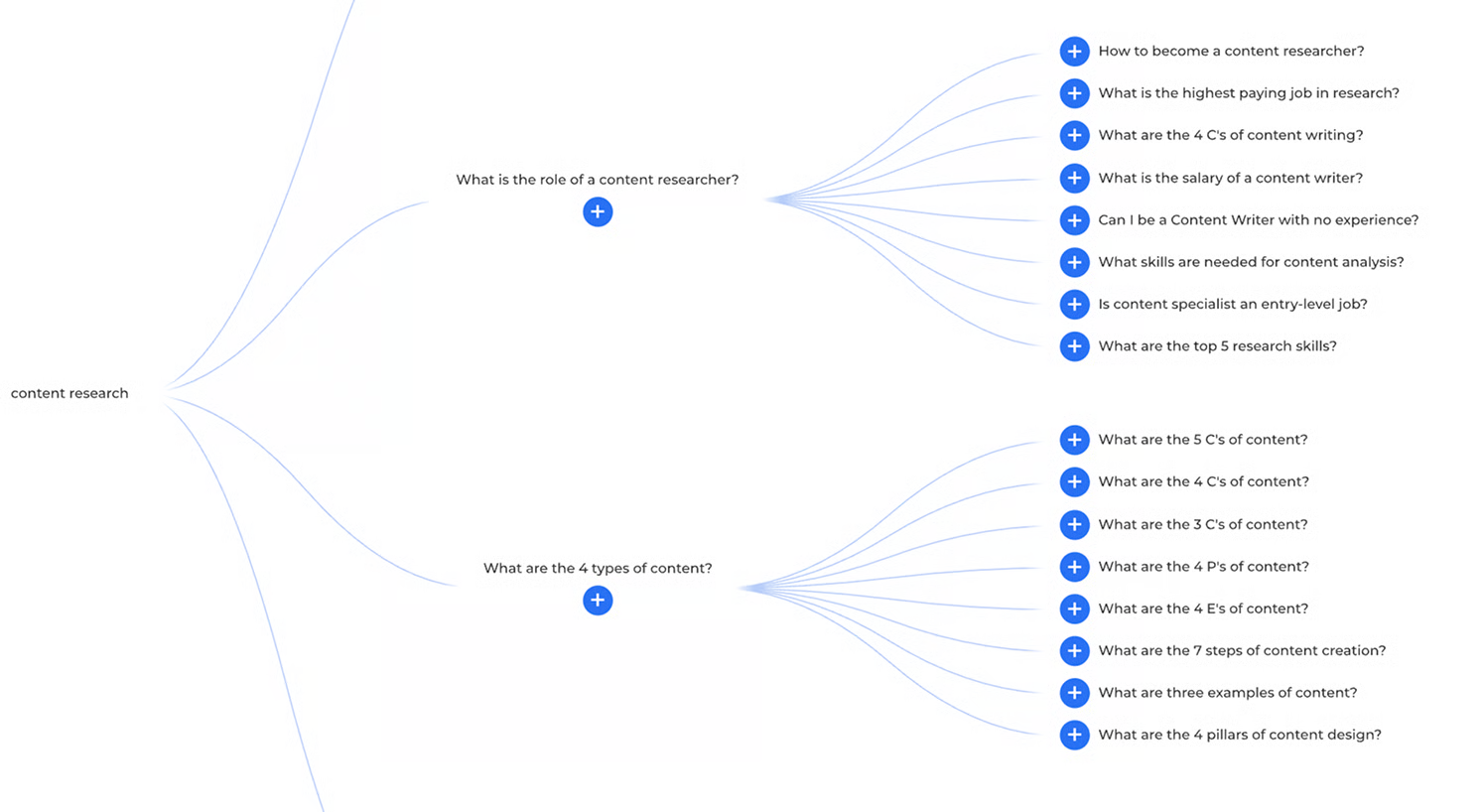
Stop burying the lead. Put your most important answers in the first paragraph. If a page is about "Emergency Plumbing in Denver," the first sentence should clearly state that you provide that service in that location. Use the rest of the page to provide the nuance and detail that humans appreciate.
Building an answer engine
Your website should stop acting like a brochure and start acting like an answer engine. You need to identify the exact questions your customers ask and provide direct, concise answers. For local businesses, this includes:
Exactly what services do you provide? Which specific neighborhoods or cities do you serve? Do you come to the customer, or do they come to you? What are your actual operating hours and booking processes? Do you handle emergency or same day requests?
Using semantic triples for clarity
Machines struggle with vague language. Instead of saying "We offer a variety of plumbing services," use semantic triples: [Subject] [Predicate] [Object]. For example: "[Brand Name] [is] [a plumbing company in Denver]" or "[Brand Name] [provides] [drain cleaning services]." By replacing "we" with your actual brand name, you create a clear, unambiguous signal for the AI to index.
Prioritizing information gain
AI models are trained on massive amounts of existing data. If your content simply repeats what every other plumber in the city says, you provide zero "information gain." To stand out, you must contribute something new.
Draw on your professional experience. Describe a unique challenge you faced on a job. Answer a question that your competitors are ignoring. Share a perspective that only someone with your specific level of experience could have. This unique data is what allows you to surface in AI searches where your competitors are filtered out.
Expert Interpretation: The biggest tradeoff here is between "brand voice" and "machine clarity." Too much semantic structuring can make a site feel robotic. The decision is to find a balance: use structured, direct answers for the AI in headers and introductions, and save the storytelling and personality for the body of the content.
Your AI visibility checklist
Moving your strategy forward requires a shift in mindset. You are no longer just optimizing a site; you are managing a reputation across a distributed network. To strengthen your position, focus on these areas:
Audit your current standing: Run 20+ queries in various LLMs to see who is being recommended and which sources are being cited. Expand your mentions: Target the specific blogs, podcasts, and lists that the AI is already using as trust signals. Diversify your reputation: Move beyond Google Reviews to industry specific and local platforms. Refine your review requests: Ask customers for specific details that answer common AI queries. Rewrite for clarity: Move key answers to the top of your pages and use semantic triples to define your business. Inject unique value: Create content that provides actual information gain based on your firsthand professional experience.
The goal is to maintain your technical foundations, your website and GBP, while aggressively building the broader brand signals that AI systems rely on to make their recommendations.
Comments
Comments are reviewed before they are published. Links are not allowed inside comments.