Visual Semantics: the Missing Piece of Topical Authority
/ 6 min read

Summary
Visual semantics is a meaning model for segmenting, classifying, and understanding documents by working alongside textual. The practical question is what this changes for SEO, content quality, and AI search visibility.

SEO has long focused on what a page says. Increasingly, it also needs to account for how that information is presented.
As Google gets better at understanding page layout, structure, and functionality, visual semantics is becoming an important part of how search engines interpret webpages.
What is visual semantics?
Visual semantics is a meaning model for segmenting, classifying, and understanding documents by working alongside textual semantics. Google is changing how it interprets web documents, shifting from "web text" to "web layout" to better. Local visibility depends on whether the details across pages, profiles, categories, reviews, photos, and service descriptions reinforce the same answer for a specific location based query.
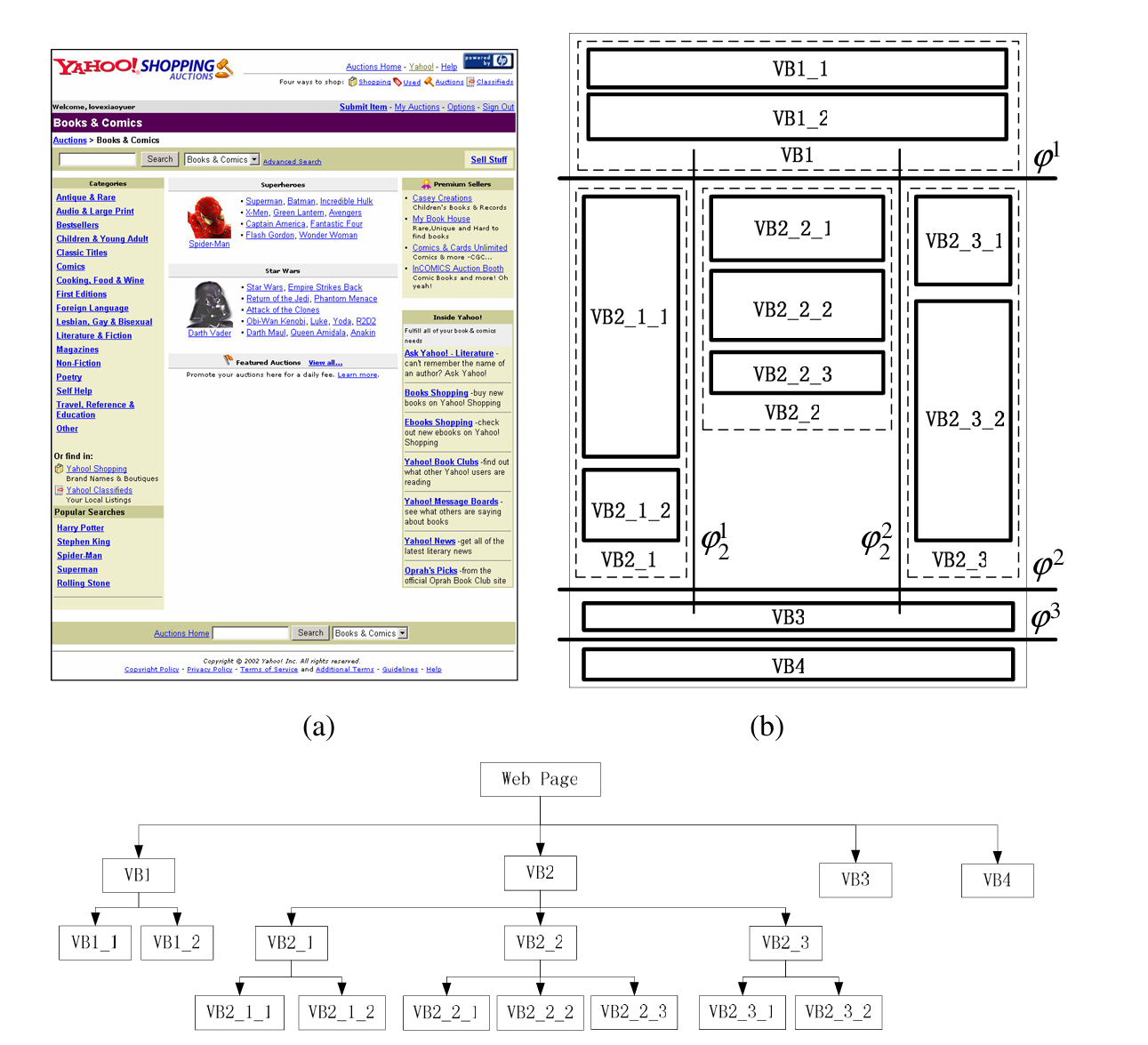
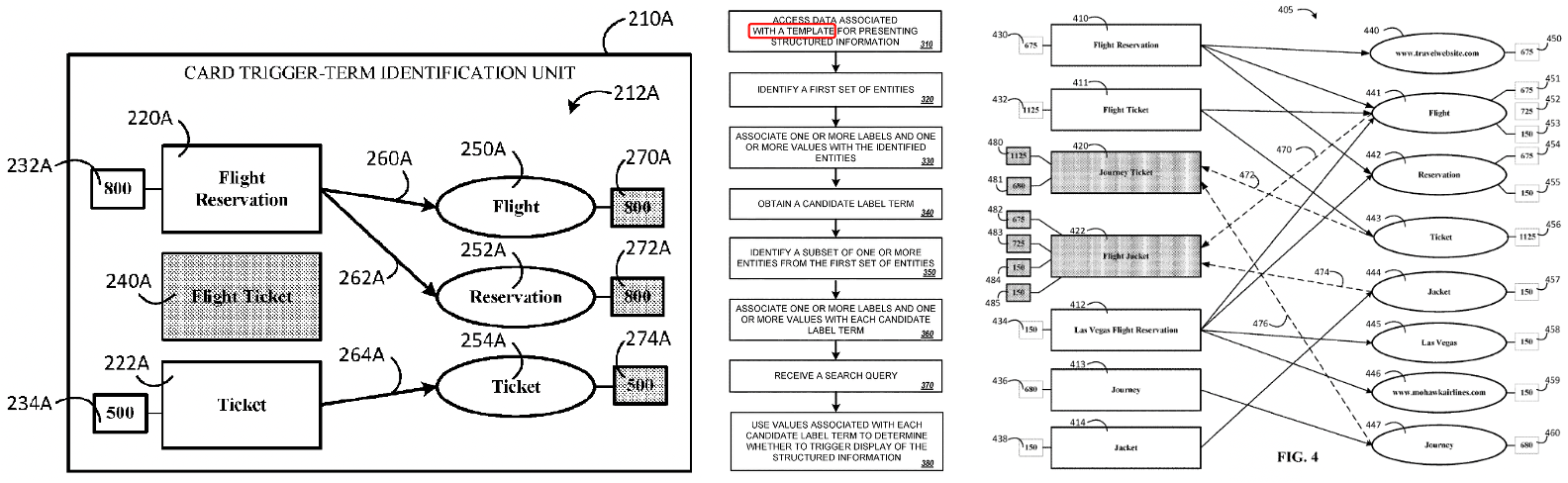
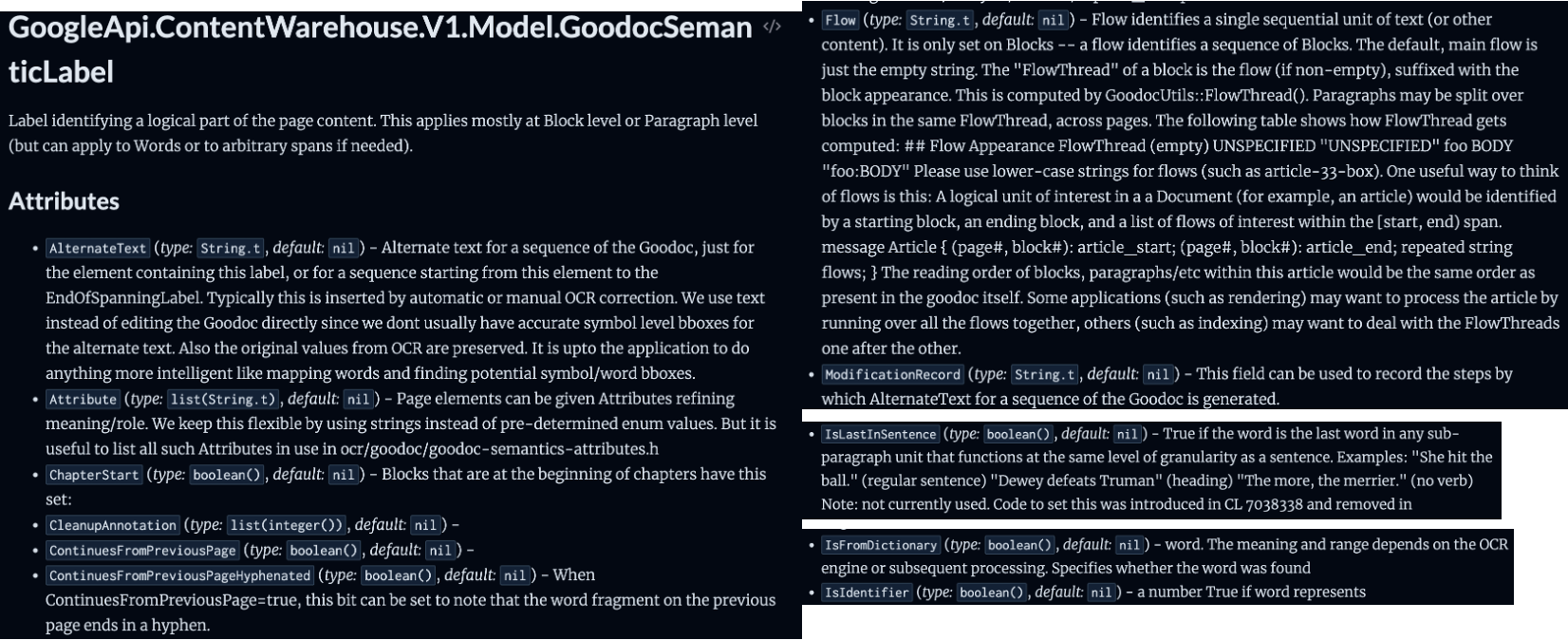
The operational question is whether the public business data is complete enough to support the query. Hours, categories, services, reviews, photos, and page content need to reinforce each other so Google can understand the business in a specific situation, not only as a generic listing.
Why Google is paying more attention to page layout
Google has introduced newer inventions and patents that highlight the importance of understanding webpage layout. Most webpages are no longer built with only prose or simple text over text layouts. Instead, they contain much denser. The search implication is whether the section improves the evidence around the page, not simply whether it adds more wording. Clear entities, crawlable structure, internal links, and useful context are what make the topic easier to evaluate.
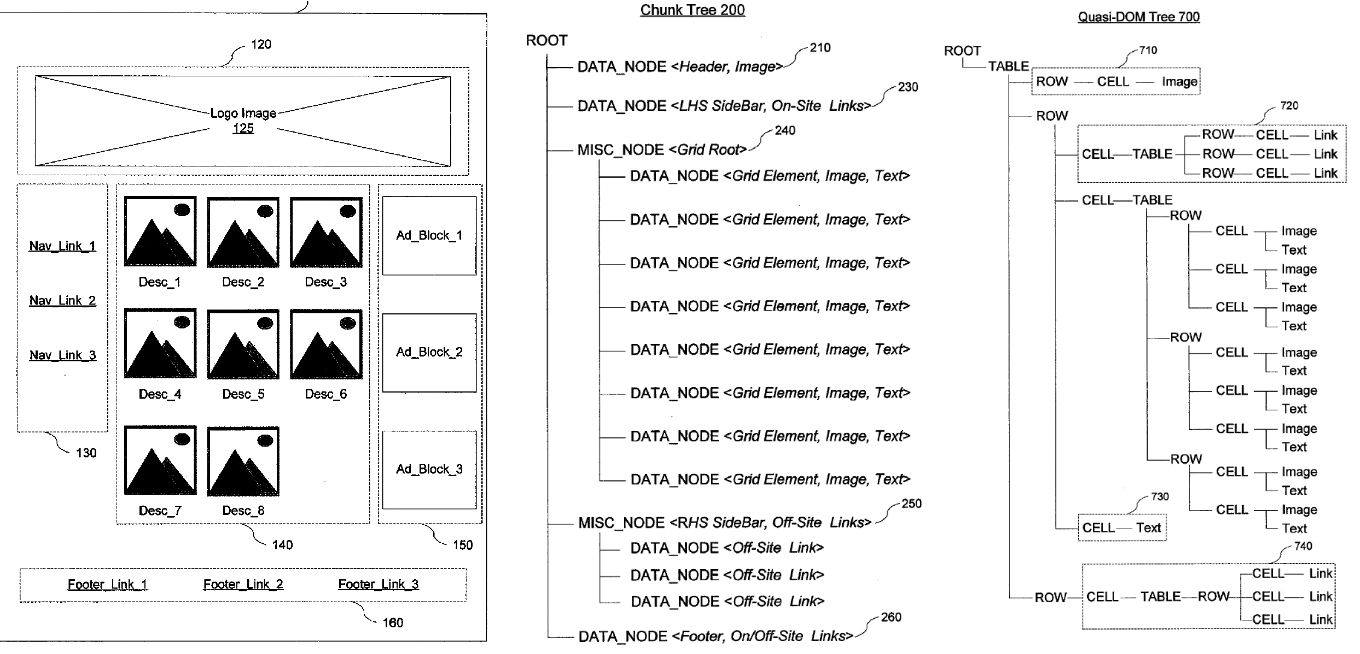
The risk is usually hidden in the execution layer. A page can look fine to a human and still fail for an automated visitor if the form, call to action, rendering path, or confirmation step is not accessible enough for the agent to complete the task.
Why layout matters for search engines
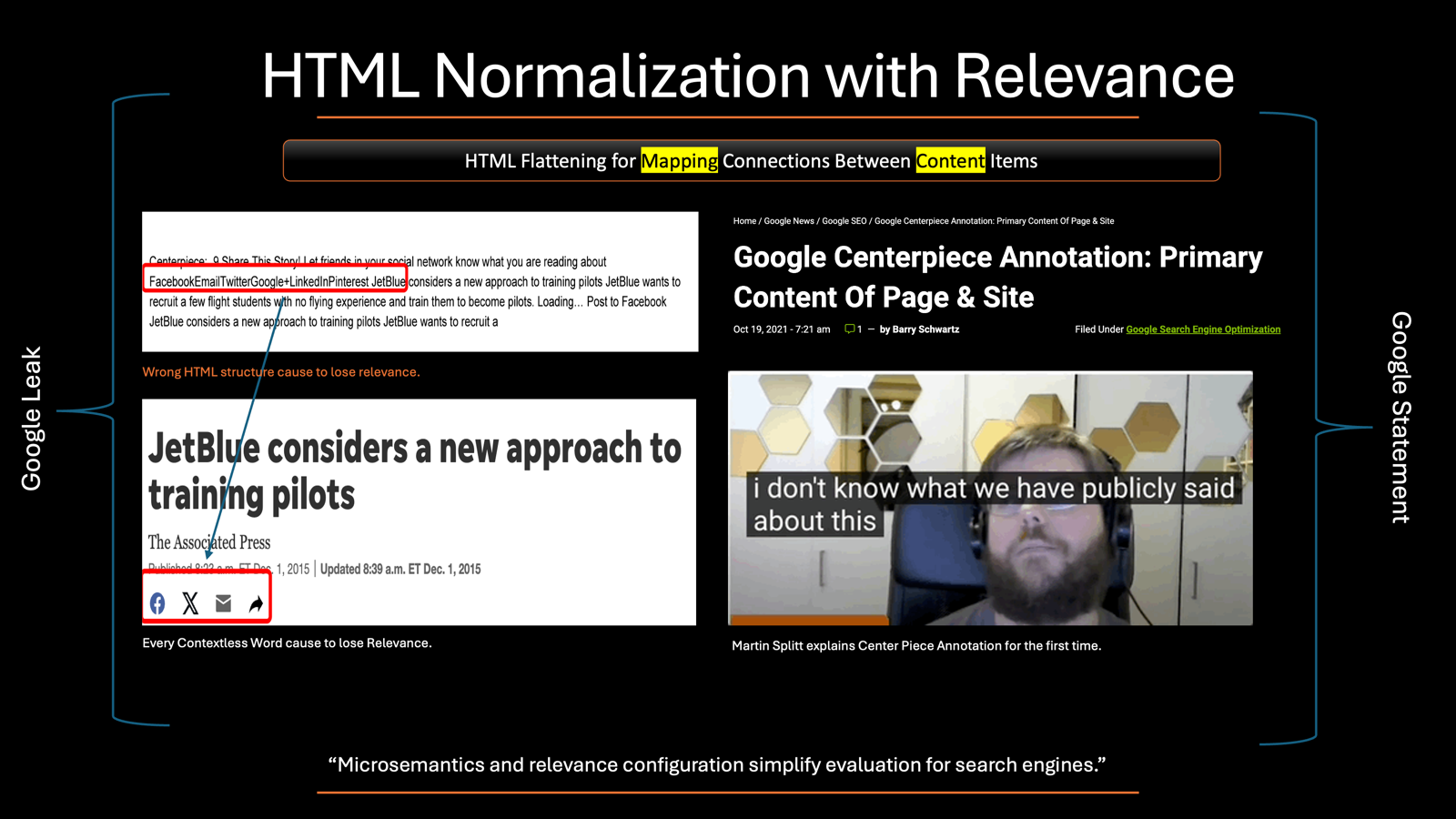
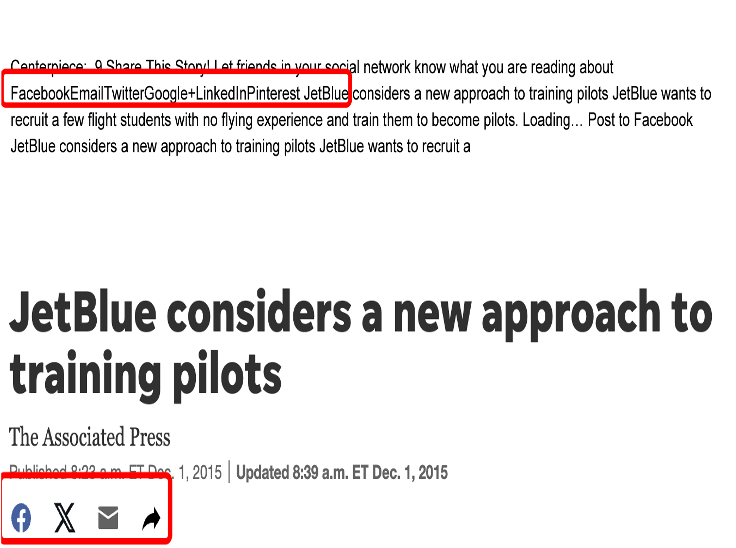
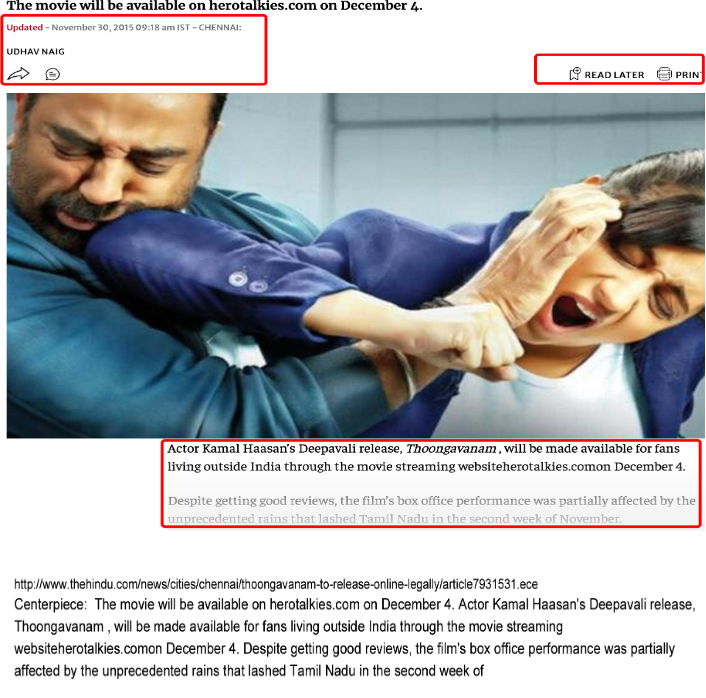
Understanding structured information cards and layout aware document interpretation requires neural networks, and possibly a new type of LLM, that can "verbalize" web documents with annotations and high confidence citations. Google can't. The search implication is whether the section improves the evidence around the page, not simply whether it adds more wording. Clear entities, crawlable structure, internal links, and useful context are what make the topic easier to evaluate.
How centerpiece annotation affects rankings
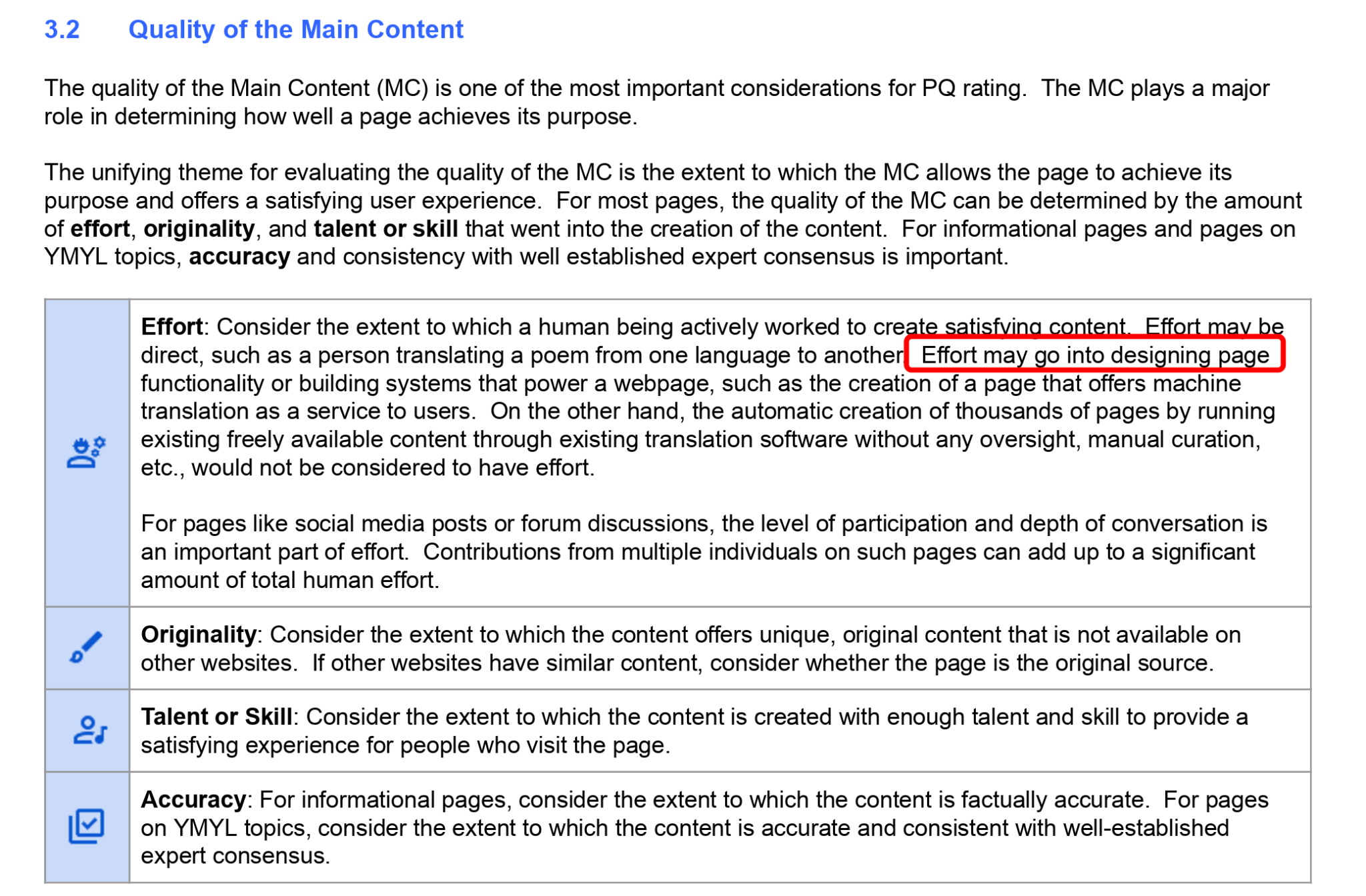
In modern search, information quality alone isn't enough. Information also needs to be presented within a layout that helps machines understand its boundaries, hierarchy, context, and purpose. Google explained this concept through. The search implication is whether the section improves the evidence around the page, not simply whether it adds more wording. Clear entities, crawlable structure, internal links, and useful context are what make the topic easier to evaluate.
What visual semantics looks like in practice
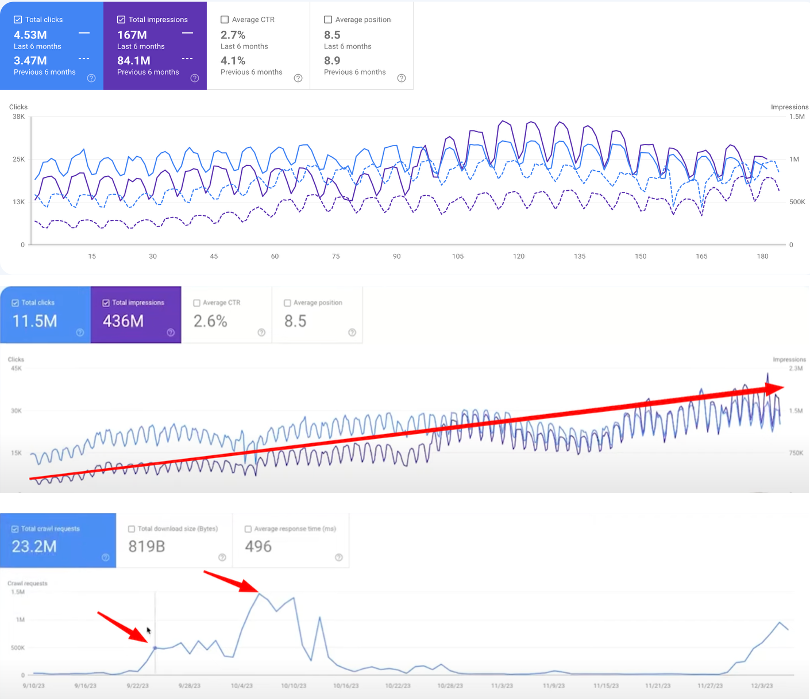
Below is a simple SEO case study. Although it involved 19 changes, the biggest ranking improvement came from one simple adjustment: moving a calculator component from the bottom of the page to the top, making it the centerpiece annotation. The search implication is whether the section improves the evidence around the page, not simply whether it adds more wording. Clear entities, crawlable structure, internal links, and useful context are what make the topic easier to evaluate.
The useful check is whether this improves the system behind search performance, not only the words on the page. Internal links, crawlable content, clear entities, current evidence, and a sensible page structure all help the recommendation become easier to trust.
What is the cost of retrieval, and how does it relate to visual semantics?
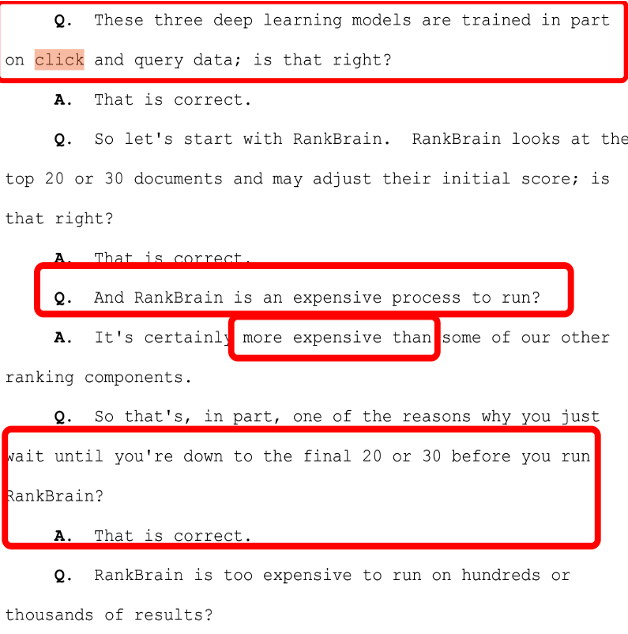
"The cost of ranking a document" can't be higher than the "cost of not ranking a document." I introduced this concept years ago in one of my conference presentations. Google cares about search quality, but its systems also weigh quality. For search teams, the important part is not the headline movement by itself. It is whether the shift changes which communities, forums, video surfaces, or publisher pages now satisfy the query better than the old ranking pattern.
How does Google's helpful content system relate to visual semantics?
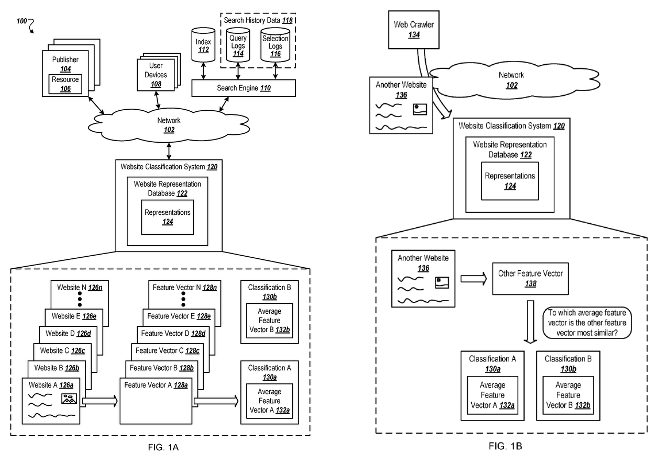
The helpful content system is a classifier that identifies which websites genuinely provide helpful information or meaningful engagement and which only imitate usefulness without fulfilling the searcher's underlying intent. Much of the SEO. The search implication is whether the section improves the evidence around the page, not simply whether it adds more wording. Clear entities, crawlable structure, internal links, and useful context are what make the topic easier to evaluate. The same pattern also shows up in 4 Layer AI Ops Playbook, where the practical question is how the signal becomes visible.
How is click data used to rerank search results through visual semantics?
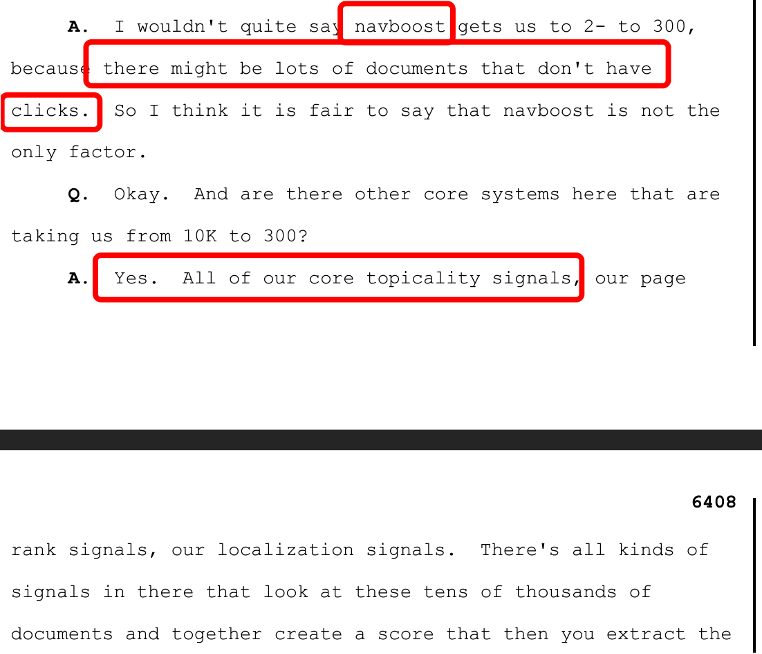
Google increasingly understands the purpose of a webpage through its layout, not just its text. As a result, click data is aggregated according to the type of source. Many SEOs assume that long clicks, or longer dwell times, signal. The search implication is whether the section improves the evidence around the page, not simply whether it adds more wording. Clear entities, crawlable structure, internal links, and useful context are what make the topic easier to evaluate.
How is visual semantics related to the future of search?
Google is experimenting with fundamental changes to search results, including replacing the traditional search bar with new interfaces. One example is its Jan. 29 patent, " AI generated content page tailored to a specific user." The. The search implication is whether the section improves the evidence around the page, not simply whether it adds more wording. Clear entities, crawlable structure, internal links, and useful context are what make the topic easier to evaluate.
Centerpiece annotation and query processing
Google classifies and augments queries differently from how people naturally think about them. That means one of the most important parts of creating a topical map is understanding search terms the way Google's systems do and augmenting. The search implication is whether the section improves the evidence around the page, not simply whether it adds more wording. Clear entities, crawlable structure, internal links, and useful context are what make the topic easier to evaluate.
What the visibility signal actually changes
What the visibility signal actually changes: visual Semantics: the Missing Piece of Topical Authority: the Practical Angle should be treated as a visibility signal, not a standalone headline. Introduction SEO has long focused on what a page says. Increasingly, it also needs to account for how that information is presented. As Google gets better at understanding page layout, structure, and functionality, visual semantics is becoming an important. This connects with Two Ways Brands Appear in AI Search when the same signal needs a clearer operating decision. A useful companion note is It Comes from Other People, because it looks at a nearby part of the same system.
What the visibility signal actually changes: the practical question is whether the page, brand evidence, and surrounding content make the answer easier to trust. If that support is weak, search systems can still understand the topic but fail to connect it confidently to the brand.
What the visibility signal actually changes: that is why the response should begin with an audit of the evidence already on the site before creating a new asset. The fastest improvement is often a clearer page, a better internal link, or a stronger explanation of why the brand belongs in the answer.
Where the evidence needs to be tested
Where the evidence needs to be tested: a single study or ranking observation should not become a strategy by itself. It should become a diagnostic prompt: which source is being trusted, which query pattern is affected, and which part of the site would make that trust easier to earn?
Where the evidence needs to be tested: that keeps the response grounded. The goal is to improve the evidence chain around the topic rather than publish another summary that repeats what every other page already says.
Where the evidence needs to be tested: the important distinction is between a useful signal and a fashionable talking point. A useful signal changes the brief, the page structure, the linking plan, or the measurement view.
Comments
Comments are reviewed before they are published. Links are not allowed inside comments.