Vibe Coding Is Turning Into a Practical SEO Edge
/ 7 min read

Summary
A few years ago, building tools like calculators or interactive widgets meant tickets, specs, and dev cycles. Today, with AI,. The practical question is what this changes for SEO, content quality, and AI search visibility.

For years, the most frustrating part of SEO wasn't the algorithm or the competition, it was the dependency. Most of us have lived through the cycle: you identify a massive opportunity, you design a perfect interactive tool or a new page template, and then you submit a ticket. Then comes the wait. You're told it's not on the current roadmap, or perhaps it might happen next quarter, or that the scope is too large for the current sprint.
This bottleneck creates a ceiling on what an SEO can actually achieve. When you are dependent on a development team for every functional change, you aren't just waiting for code; you're compromising your strategy to fit someone else's schedule. But the landscape is shifting. The emergence of "vibe coding", using AI to build functional components without needing to be a professional software engineer, is removing that ceiling. If you are working in SEO or Generative Engine Optimization (GEO) and you aren't exploring this, you are effectively limiting your own impact. The same pattern also shows up in Missing Step in Vibe Coding, where the practical question is how the signal becomes visible.
Vibe coding changed the power dynamics in SEO
Not long ago, if you wanted a custom calculator, a comparison widget, or a dynamic UI component, you needed a full set of technical specifications and a dedicated development cycle. It was a formal process of tickets and approvals. Today, that power dynamic has shifted. With the help of AI, it is now possible to build mini apps and UI components independently.


The beauty of this approach is that the output doesn't need to be a masterpiece of software engineering. Some of these tools are small. Some are visually basic, or even "ugly," but they are effective. The critical metric isn't the elegance of the code, but the utility it provides to the user. In practice, these vibe coded tools can drive thousands of organic sessions per month, often outperforming traditional, text heavy pages that competitors have spent years polishing.
More importantly, this mindset can be scaled across a team. When an entire SEO team stops asking for permission and starts building their own tools to meet search goals, the speed of execution changes fundamentally. Developers are no longer bogged down by simple UI requests; instead, they can be reserved for high level engineering, infrastructure, and scaling. There is also a quiet professional satisfaction in building a tool from scratch and watching it attract traffic consistently month after month. This connects with We Earned 1 when the same signal needs a clearer operating decision.
Stop talking about user personas. Start talking to them.
In the industry, we talk about user personas constantly. We agree that content should be tailored to specific audiences, but we rarely discuss the actual delivery mechanism. Traditionally, SEOs handled personas through text. We would write sections like, "For the business traveler, we recommend." or "Families should consider."
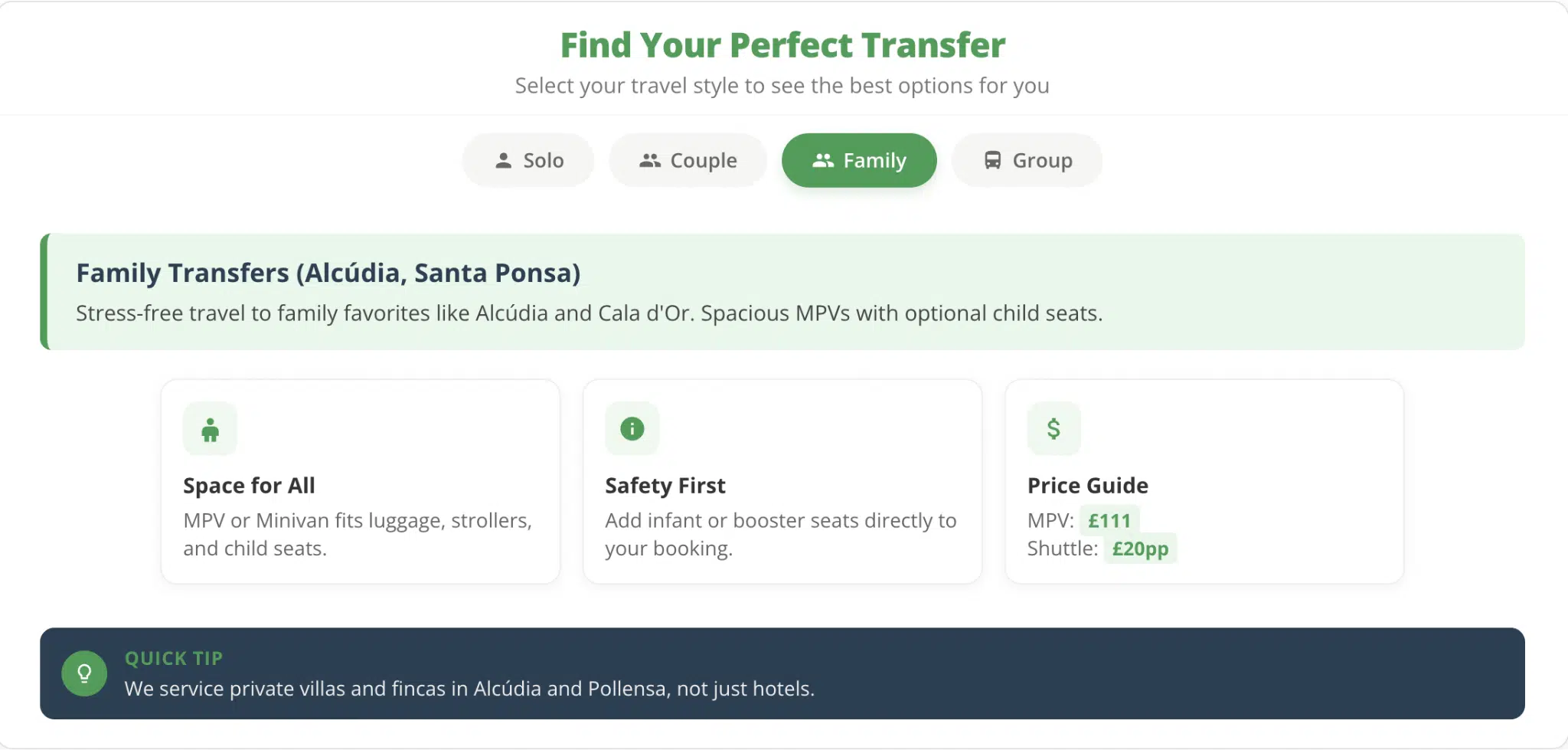
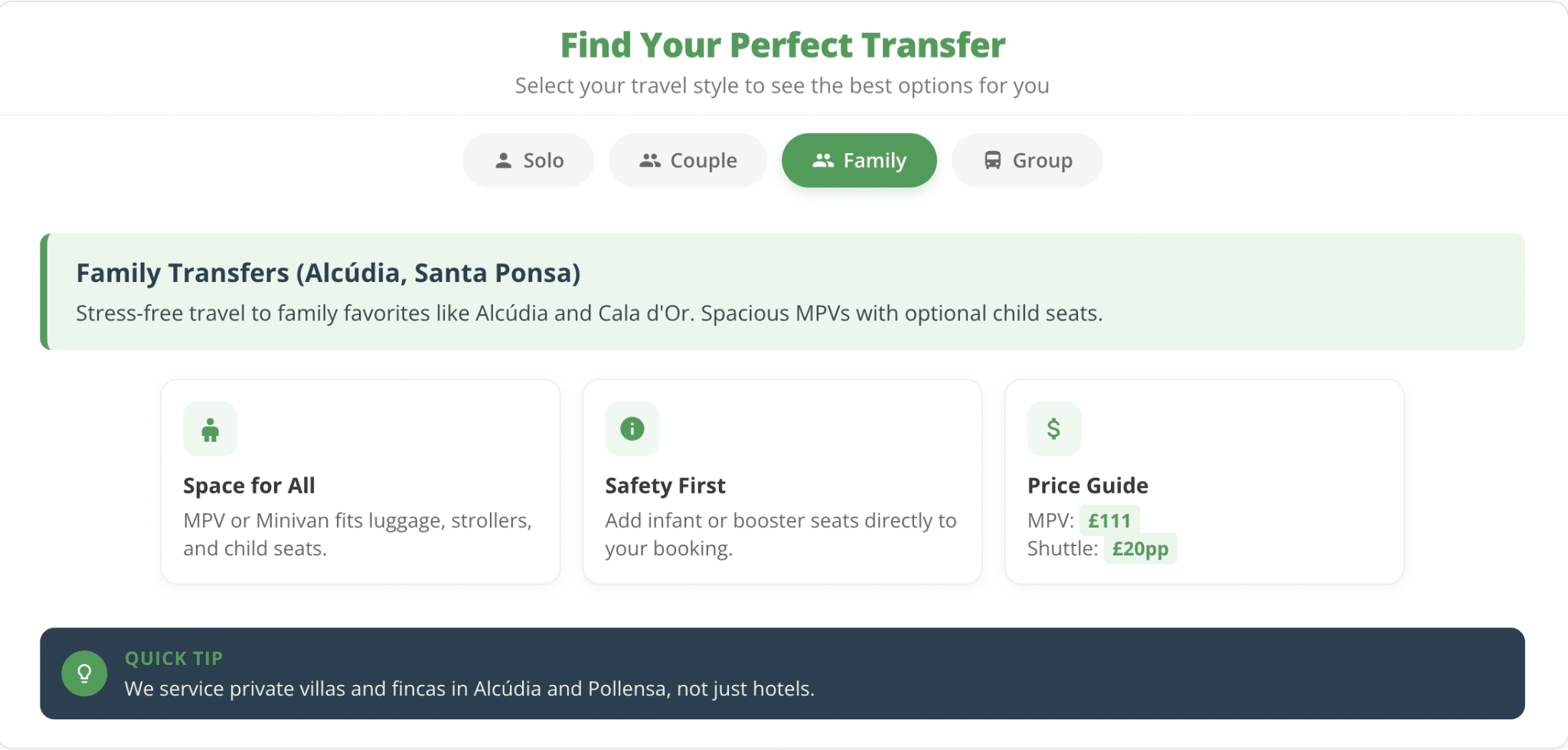
That approach is becoming obsolete. Instead of telling a user that we have information for them, we can create interfaces that allow users to self identify. By using interactive elements, like tabs, we can surface only the information that is relevant to that specific person at that moment. A useful companion note is search visibility, because it looks at a nearby part of the same system.
Consider the example of airport transfers in Majorca. A solo traveler and a family have entirely different priorities. A family cares about child seats, vehicle safety, and the size of the car. A solo traveler likely cares more about speed or cost. By vibe coding a component where the user clicks a "Family" tab, you can instantly reveal only the data points that matter to them. This isn't just a better user experience; it aligns with how AI driven search platforms are already structuring answers, segmenting information by intent and persona.
Entire traffic categories can be built on tools alone
When you move away from the "article first" mindset, you realize that entire categories of traffic can be captured through utility. On a recent project, this was put into practice by launching a dedicated "Tools" category consisting of ten simple, functional pages. Each page led with a tool designed to solve a specific problem, with supporting text and components used to answer secondary intents.
The results were immediate. In just two months, this approach generated over 5,000 incremental clicks. Interestingly, many of these pages were ranking and driving traffic even during their off season. This suggests that when you provide a functional utility, you create a level of value that transcends the typical seasonal fluctuations of informational content.
UI is now a ranking lever
We have reached a point where the primary limitation for SEOs is no longer technical skill, but creativity. Text has become a commodity. With the rise of LLMs, anyone can produce a 2,000 word guide on almost any topic. Because text is cheap, it is no longer the primary differentiator in the SERPs.
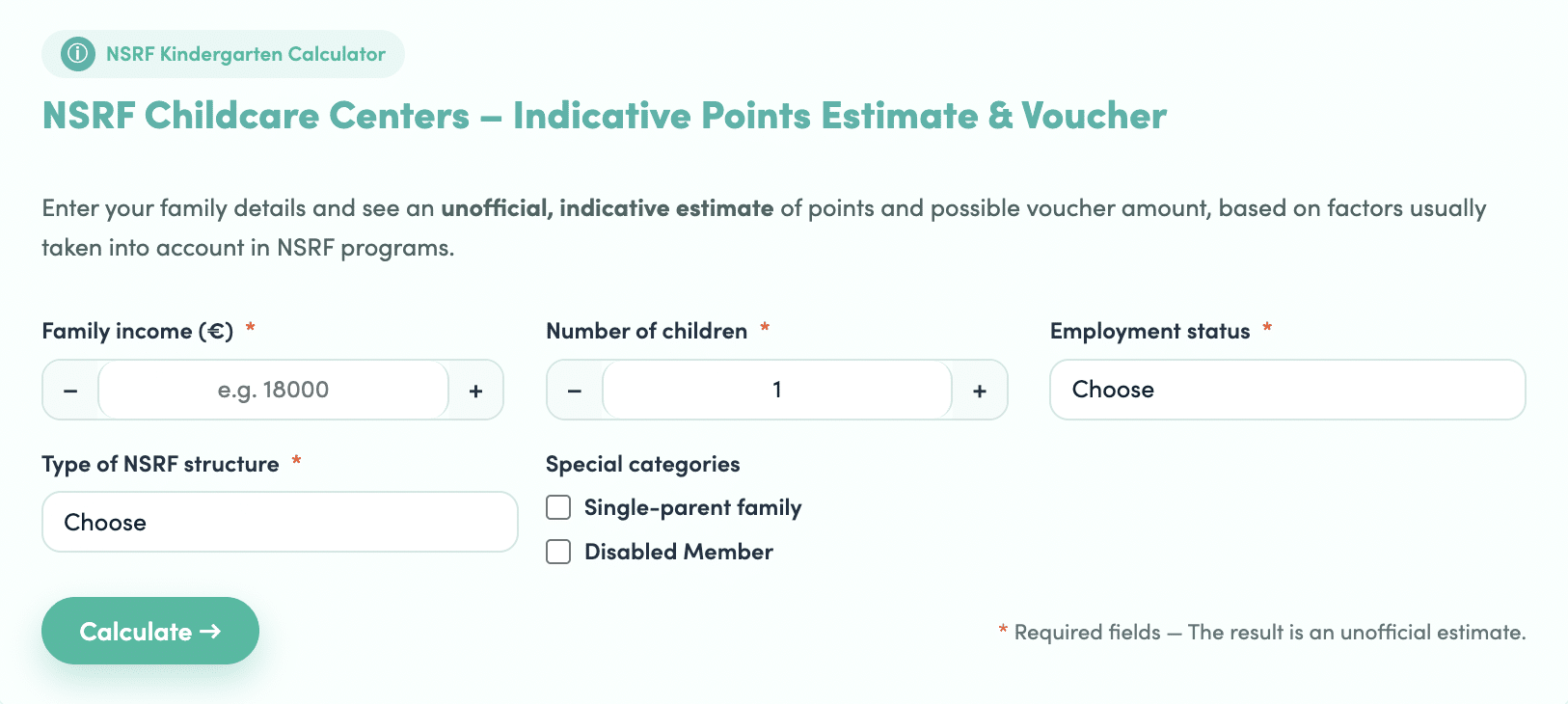
The real advantage now lies in how information is visually and functionally presented. UI that answers a user's intent instantly is rare and valuable. For example, two well executed calculator pages can add 10,000 monthly organic sessions simply because they provide an answer faster than a list of instructions. There are cases where tool based pages have ranked in the top three for high volume government queries within days, simply because the UI was superior to the competition.
The goal isn't to replace text, but to invert the relationship. On these pages, the text exists to support the tool, rather than the tool being a small addition to a long article. When competitors are listing information in bullet points, providing a way for the user to interact with that information creates a significant competitive edge.
'SEO takes time', except when it doesn't
The common wisdom is that SEO is a long game. While that is generally true for brand building and authority, it isn't always true for utility. There is a shortcut: solving a problem better than anyone else on the internet.
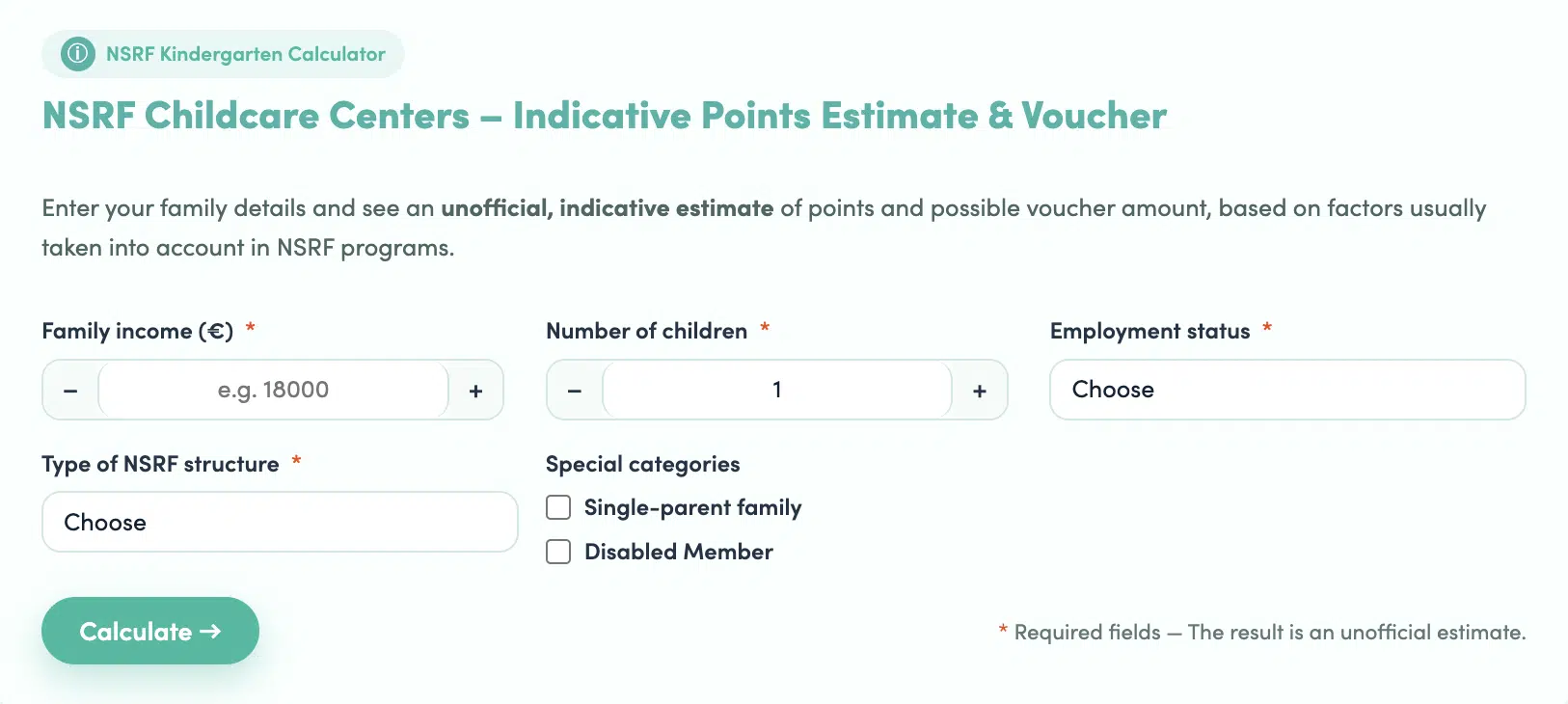
Take the example of a page targeting a Greek government school financial support program. The competition was extremely text heavy, targeting a high volume head term and various long tail queries. Instead of writing a longer guide, the strategy was to build a financial support eligibility tool. To ensure E-E-A-T, the page included a transparent explanation of the logic used by the tool and a section on common mistakes parents make during the application process.
From a technical standpoint, the tool was tagged as a WebApplication, and the process was supported by HowTo schema and properly marked up FAQs. The result? Within three days of publishing, the page was on the first page for the main term, generating roughly 100 clicks almost immediately. When you solve a high friction problem with a high utility tool, the traditional "waiting period" of SEO can be drastically shortened.
Tools are the ultimate SEO and PR assets
It is helpful to categorize tools into two types: those built for raw traffic and those built as linkable digital assets. While a calculator might drive direct search traffic, other tools are designed to attract attention from other publishers and journalists.
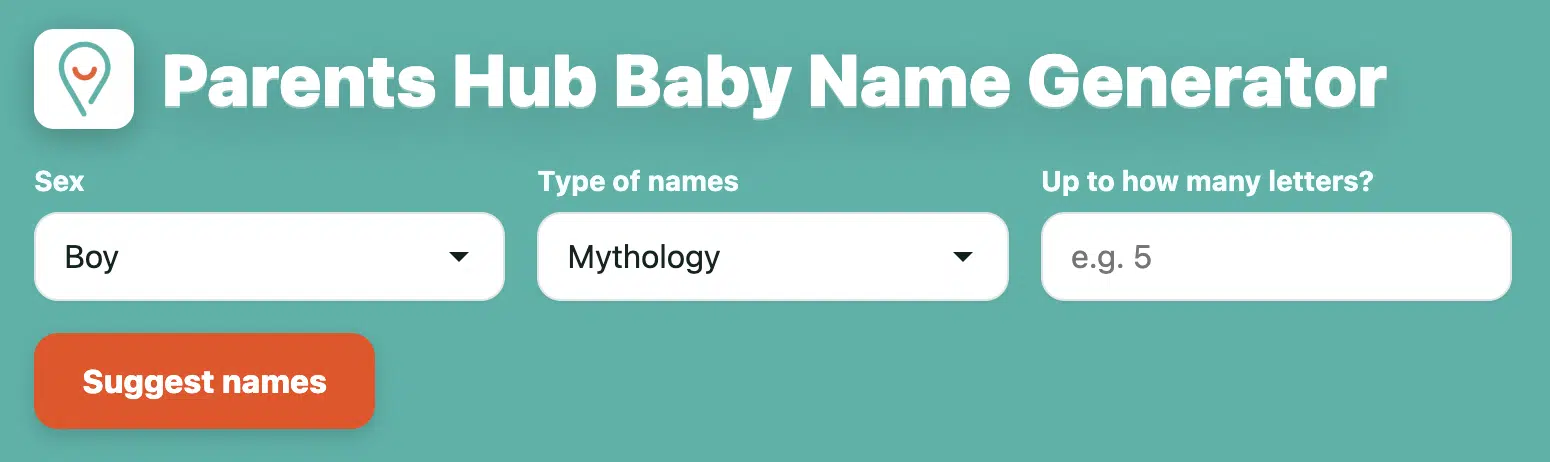
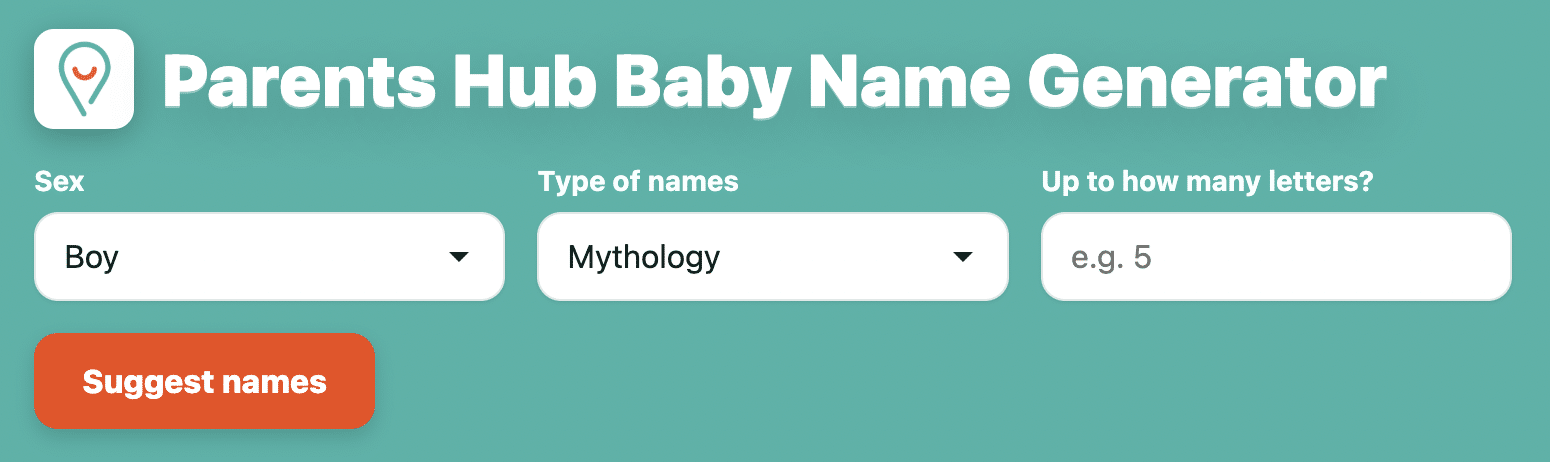
A pregnancy due date calculator, a baby name generator, or a data driven comparison table based on third party data (like TripAdvisor) isn't just a piece of content, it's a PR asset. When a tool solves a genuine pain point and looks modern, it becomes a natural candidate for backlinks and mentions. This is where the lines between SEO, PR, and branding blur. You aren't just optimizing for a keyword; you're creating a utility that people want to share.
Finding tool page opportunities is easier than ever
The process of identifying where to build these tools has also been accelerated. By using MCP servers and modern SEO tools, it's possible to surface tool ideas directly from search demand data without leaving the AI chat interface. You can assess the difficulty of a keyword and the potential for a tool based solution almost instantly.
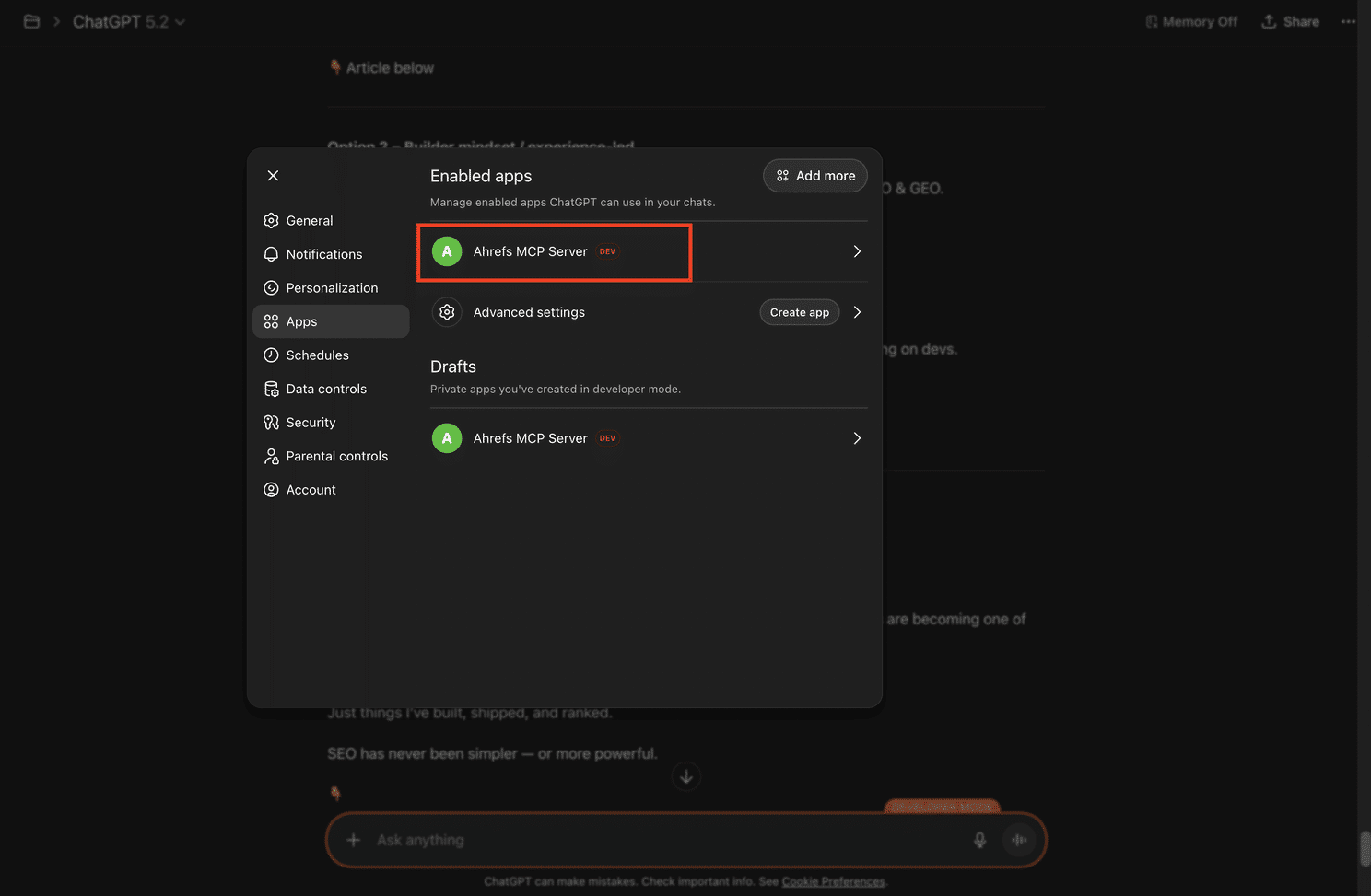
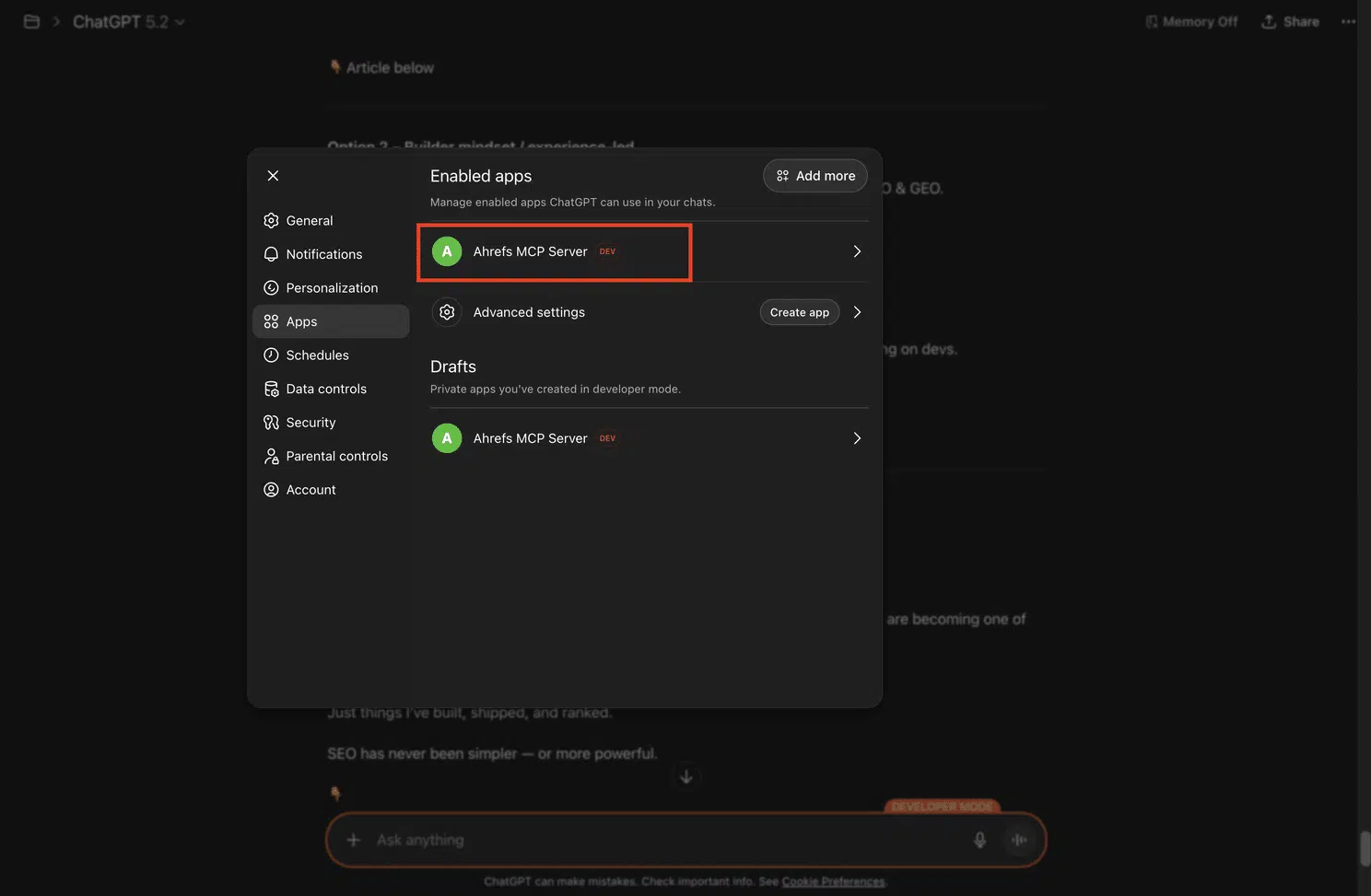
The gap between ideation, validation, and execution has collapsed. What used to take months of planning and development can now happen in a matter of days. The speed of this workflow allows for rapid experimentation, you can launch a tool, see if it gains traction, and iterate on the "vibe" of the UI in real time.
The big shift
We are moving away from an era where SEO was about who could write the most complete document or who could best rephrase existing information. The game is no longer about documents; it is about search experiences.
The winners in the current landscape are those who can answer intent the fastest and remove the most friction for the user. Vibe coding has democratized the ability to build these experiences. It has shifted the advantage from those with the biggest dev budgets to those with the most creativity and the willingness to experiment with AI.
If you want to remain competitive in modern SEO and GEO, the path forward is clear: stop relying solely on text. Start building tools, creating interactive components, and designing experiences. Text is a necessary foundation, but it is no longer enough to win.
Comments
Comments are reviewed before they are published. Links are not allowed inside comments.