Your B2B SEO Can Win the Click and Lose the Consideration
/ 6 min read

Summary
Traditional SEO reporting focuses on rankings, impressions, clicks, and sessions. These metrics still matter, but they no longer. The practical question is what this changes for SEO, content quality, and AI search visibility.

A buyer can click through to your website after making an important part of the decision. An AI Overview can explain a technology, compare approaches, and surface brands while the buyer is still researching the market.
By the time they click a result, they may already have an idea of which companies are credible, which solutions are worth exploring, and which brands belong on the shortlist. For complex B2B purchases, that creates a gap between winning the click and influencing consideration.
Search visibility no longer starts with the click
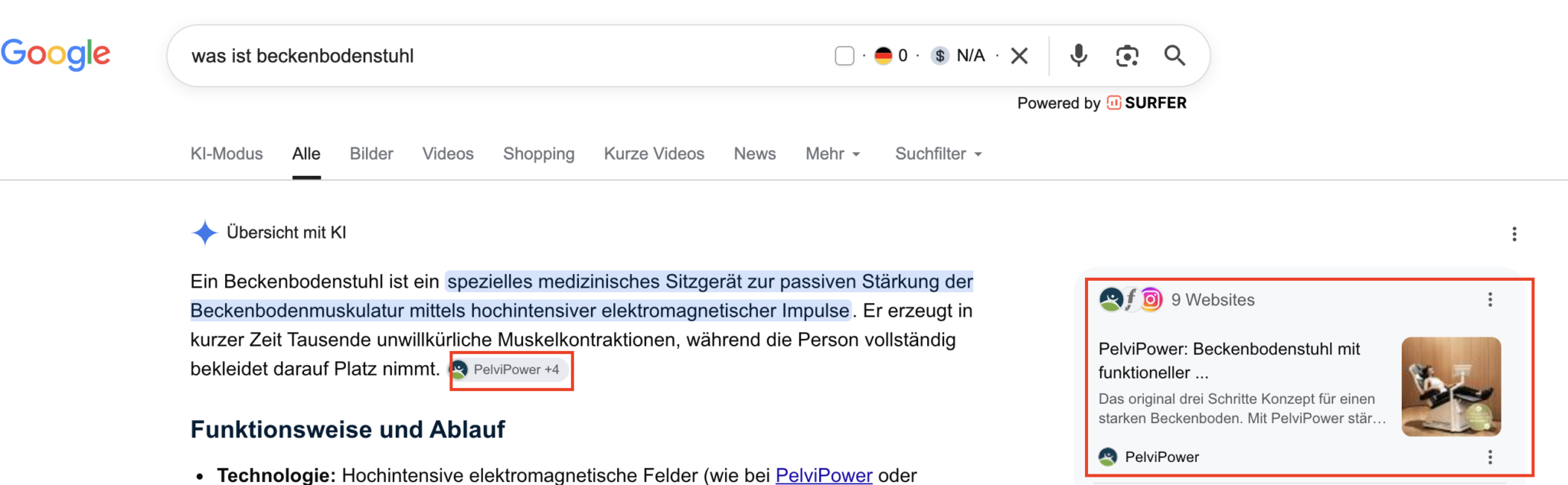
Traditional SEO reporting focuses on rankings, impressions, clicks, and sessions. These metrics still matter, but they no longer show the full search experience. Consider a health care professional researching a premium pelvic floor chair. The practical read is that brand signals need to be consistent enough for both people and AI systems to form a stable view of the company, its expertise, and its trust signals.
The reporting question is whether this signal changes a decision. If it only creates another number in a dashboard, it adds noise. If it helps separate profile activity, website visits, calls, bookings, and direction requests, it can make local performance easier to understand.
Zero click doesn't always mean zero value
AI Overviews may reduce clicks for some informational searches. However, a search without an immediate website visit isn't automatically worthless. A buyer may still: Return when the project becomes commercially relevant. This matters in. The search implication is whether the section improves the evidence around the page, not simply whether it adds more wording. Clear entities, crawlable structure, internal links, and useful context are what make the topic easier to evaluate.
The risk is usually hidden in the execution layer. A page can look fine to a human and still fail for an automated visitor if the form, call to action, rendering path, or confirmation step is not accessible enough for the agent to complete the task.
Being cited is different from ranking
Traditional SEO asks: "Where does our page rank?" AI search introduces another question: "Is our content being selected as a supporting source?" A page can rank well without being cited in an AI Overview. A source may also be included even. The search implication is whether the section improves the evidence around the page, not simply whether it adds more wording. Clear entities, crawlable structure, internal links, and useful context are what make the topic easier to evaluate.
The useful check is whether this improves the system behind search performance, not only the words on the page. Internal links, crawlable content, clear entities, current evidence, and a sensible page structure all help the recommendation become easier to trust.
How to measure AI driven traffic
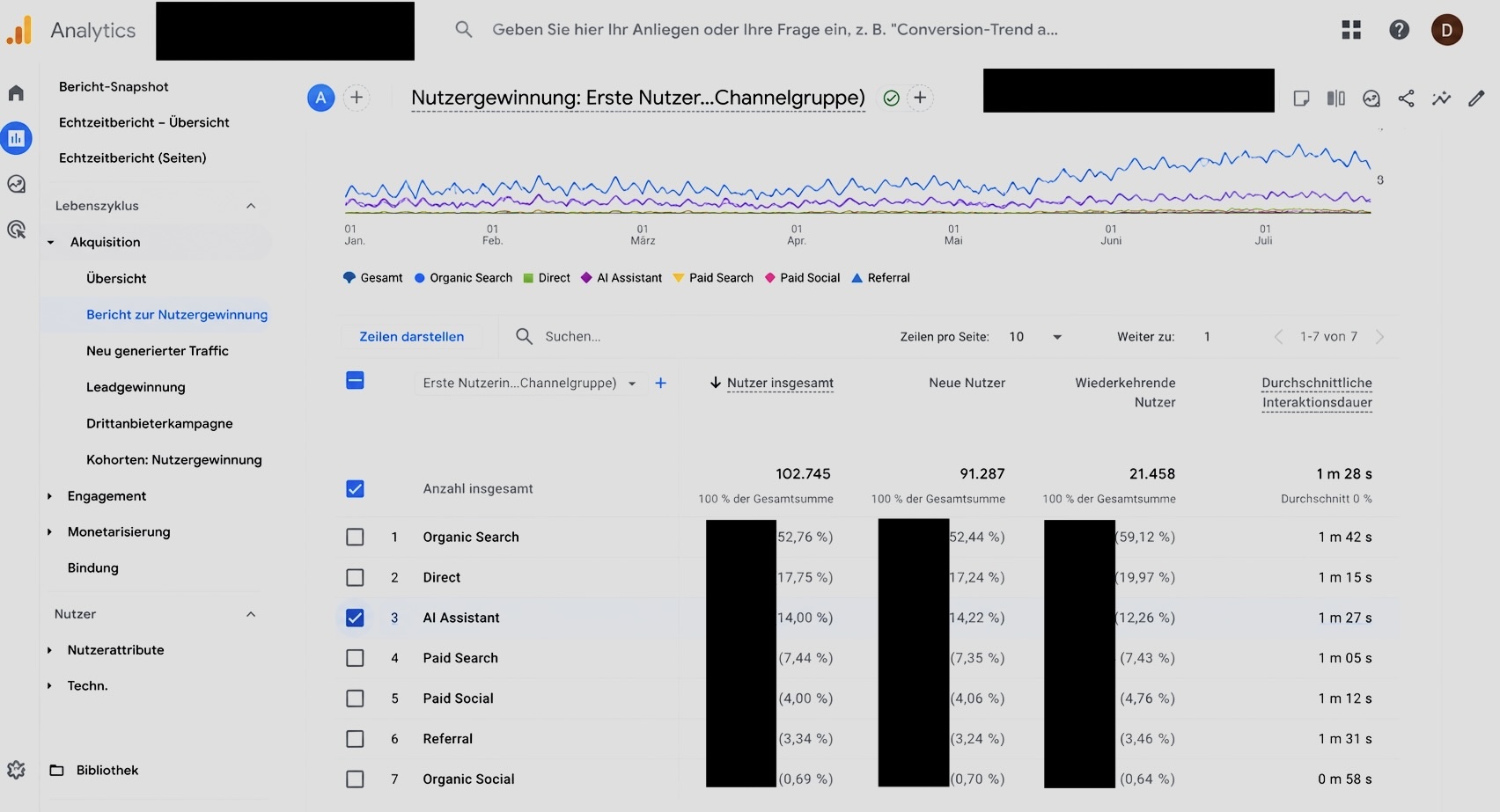
To measure what happens after a user reaches the website, I still consider GA4 the most important source of truth. It shows how visitors arrive, which pages they view, how they engage with the site, and whether they complete meaningful. The strategic issue is whether automated visitors can understand, trust, and complete the same journey a human visitor can. Agent readiness is partly technical, but it is also about clear tasks, accessible flows, and reliable evidence.
AI visibility can support paid search
AI Overviews shouldn't be treated only as an SEO topic because they can influence how buyers respond to every subsequent marketing touchpoint. A potential customer may first encounter a brand inside an AI generated answer while researching. The practical read is that brand signals need to be consistent enough for both people and AI systems to form a stable view of the company, its expertise, and its trust signals.
Search visibility should influence consideration
The objective shouldn't be to appear in every AI Overview. An AI citation matters only when it reaches the right audience, answers a commercially relevant question, and helps move the buyer toward a decision. B2B marketers should focus on. The search implication is whether the section improves the evidence around the page, not simply whether it adds more wording. Clear entities, crawlable structure, internal links, and useful context are what make the topic easier to evaluate.
Search visibility no longer starts with the click in practice
Introduction A buyer can click through to your website after making an important part of the decision. An AI Overview can explain a technology, compare approaches, and surface brands while the buyer is still researching the market. By the. The practical read is that brand signals need to be consistent enough for both people and AI systems to form a stable view of the company, its expertise, and its trust signals.
What the visibility signal actually changes
What the visibility signal actually changes: your B2B SEO Can Win the Click and Lose the Consideration: the Operator's View should be treated as a visibility signal, not a standalone headline. Introduction A buyer can click through to your website after making an important part of the decision. An AI Overview can explain a technology, compare approaches, and surface brands while the buyer is still researching the market. By the time they click a. This connects with AI Takes the Click when the same signal needs a clearer operating decision. A useful companion note is State of Search in 2026, because it looks at a nearby part of the same system.
What the visibility signal actually changes: the practical question is whether the page, brand evidence, and surrounding content make the answer easier to trust. If that support is weak, search systems can still understand the topic but fail to connect it confidently to the brand. The same pattern also shows up in AI Starts Handling Your Conversations and Decisions, where the practical question is how the signal becomes visible.
What the visibility signal actually changes: that is why the response should begin with an audit of the evidence already on the site before creating a new asset. The fastest improvement is often a clearer page, a better internal link, or a stronger explanation of why the brand belongs in the answer.
Where the evidence needs to be tested
Where the evidence needs to be tested: a single study or ranking observation should not become a strategy by itself. It should become a diagnostic prompt: which source is being trusted, which query pattern is affected, and which part of the site would make that trust easier to earn?
Where the evidence needs to be tested: that keeps the response grounded. The goal is to improve the evidence chain around the topic rather than publish another summary that repeats what every other page already says.
Where the evidence needs to be tested: the important distinction is between a useful signal and a fashionable talking point. A useful signal changes the brief, the page structure, the linking plan, or the measurement view.
How to avoid overreacting to one data point
How to avoid overreacting to one data point: for content teams, the strongest move is to map the claim to existing assets before creating anything new. The right page may already exist, but it may need clearer headings, stronger internal links, fresher proof, or a better explanation of why the brand belongs in the answer.
How to avoid overreacting to one data point: this is also where title rewriting matters. A title should not copy the source headline; it should frame the practical implication so readers immediately know why the topic deserves attention.
How to avoid overreacting to one data point: the same standard should apply to every section. Each heading needs to earn its place by moving the reader through the evidence, not by repeating the outline in a more polished voice.
Comments
Comments are reviewed before they are published. Links are not allowed inside comments.