How I Would Handle Client SEO Advice From ChatGPT
/ 7 min read

Summary
It might feel good to tell them the AI output they sent is wrong and that they should leave the SEO to you. But that response. The practical question is what this changes for SEO, content quality, and AI search visibility.

There is a specific kind of tension that comes with opening an email that starts with, "I ran our site through ChatGPT and it gave me a list of things we should do." The same pattern also shows up in ChatGPT Just Shipped Its Version, where the practical question is how the signal becomes visible.
If you are an SEO professional or a digital marketer, you have likely seen this already, or you will very soon. It is a delicate moment. On one hand, you know that AI generated SEO advice is often generic, outdated, or fundamentally flawed. On the other hand, the person sending the email, your boss or your client, usually thinks they are being helpful. They aren't trying to replace you; they are trying to contribute to the project.
The challenge here isn't actually a technical one. It is a communication challenge. The goal is to navigate the conversation without sounding dismissive or defensive, while still ensuring that the actual strategy remains grounded in reality rather than a hallucinated list of "best practices."
Resist the urge to respond, 'ChatGPT is wrong'
The most instinctive reaction is to shut the idea down immediately. It feels efficient to simply tell the client that the AI is wrong and that they should trust your expertise. However, in a professional relationship, that approach almost always backfires.
When you lead with "the AI is wrong," you aren't just debating a piece of software; you are inadvertently telling the client that their effort was a waste of time. This shifts the focus of the conversation. Instead of talking about SEO strategy, the conversation becomes about whether you are being territorial or defensive about your role. A useful companion note is We Earned 1, because it looks at a nearby part of the same system.
The moment you sound like you are protecting your turf, you lose a bit of your professional authority. The objective is to move away from a "me vs. the machine" debate and instead position yourself as the expert who can objectively evaluate AI output. You want to show that you are comfortable with these tools, but that you possess the critical thinking skills necessary to filter the noise from the signal.
The first step in this process is not analysis, but acknowledgment. Before you can tell a client why a recommendation is flawed, you have to acknowledge the intent behind the email.
Validate the effort
It is easy to forget that most people who forward ChatGPT output are doing so because they want to move the needle. They might be worried that something is being missed, or they might simply be excited about a new tool they've discovered. They are attempting to be proactive.
If your first response is an attack on the recommendations, the client will perceive it as an attack on their initiative. To avoid this, start by thanking them for the input. This validates their effort and signals that you are open to new ideas, regardless of where they come from.
A thoughtful response might look something like this: "Thanks for sending this over! There are a few ideas here that are definitely worth exploring. I also have some thoughts on what additional data we can feed the model to give it better context. I'll dive into this and follow up with more details shortly."
This approach does three things simultaneously. First, it acknowledges the client's contribution. Second, it demonstrates that you are evaluating the suggestions objectively. Third, it buys you the time and space to separate the useful gems from the generic filler without having to do it in a rushed, emotional reaction.
By framing it this way, you aren't admitting that the AI found a "secret" you missed. You are simply showing that you are a professional who is willing to review all available information before making a strategic decision.
Follow up with what's worth exploring
Once you have validated the effort, the next step is to present your findings. The key here is the order of operations: never lead with the errors. Instead, lead with the wins.
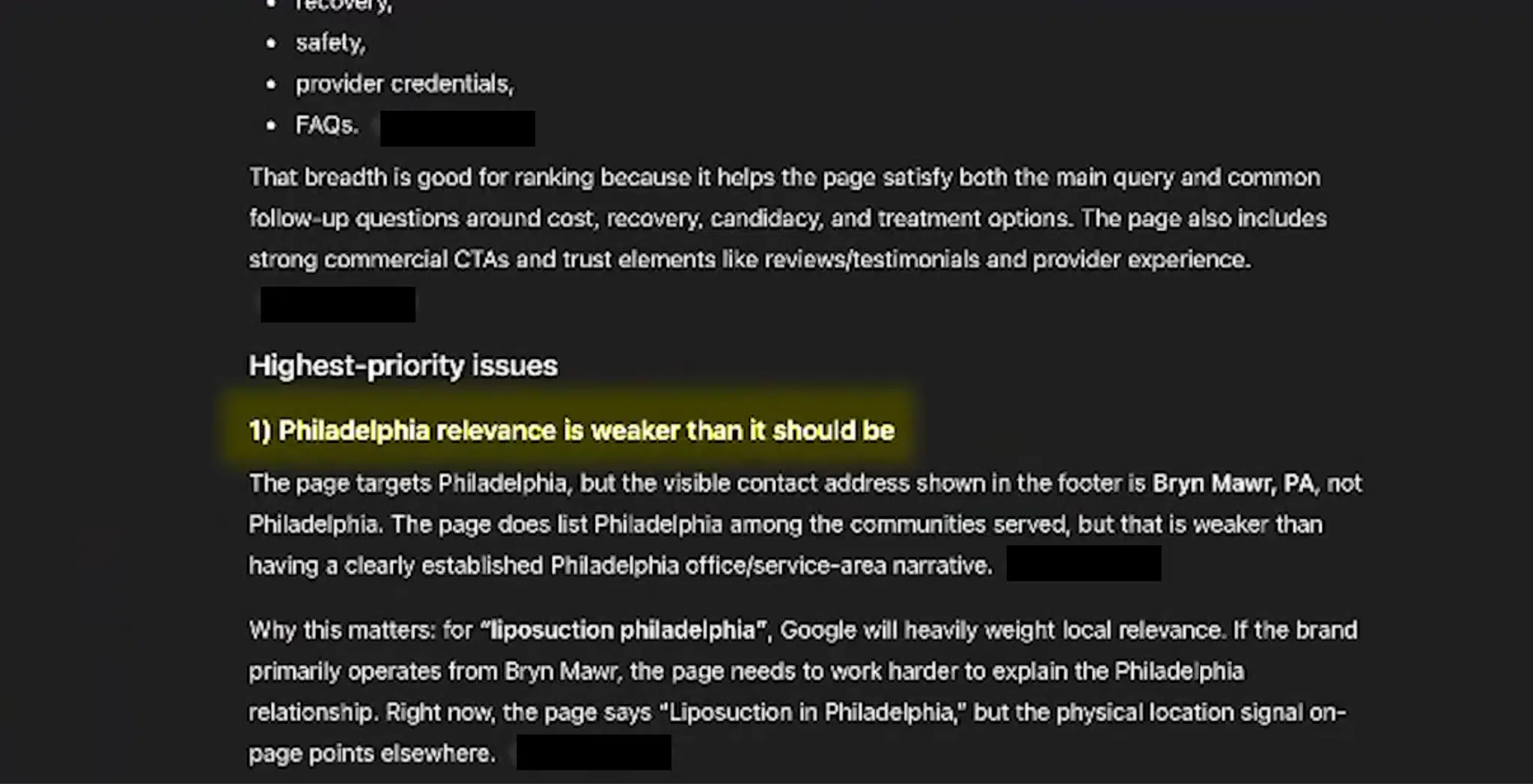
Start by highlighting the recommendations that actually make sense. Even the most generic AI output usually contains a few baseline truths, things like improving internal linking or refining a meta description. By starting with the "worthwhile" items, you prove that you didn't just glance at the email and dismiss it out of hand.
This is where you actually demonstrate your expertise. Expertise isn't just knowing the answer; it's knowing how to filter information. You should assess each AI recommendation based on three criteria: Is the underlying observation valid? Does it actually matter for this specific business? Is it worth the resources to act on it?
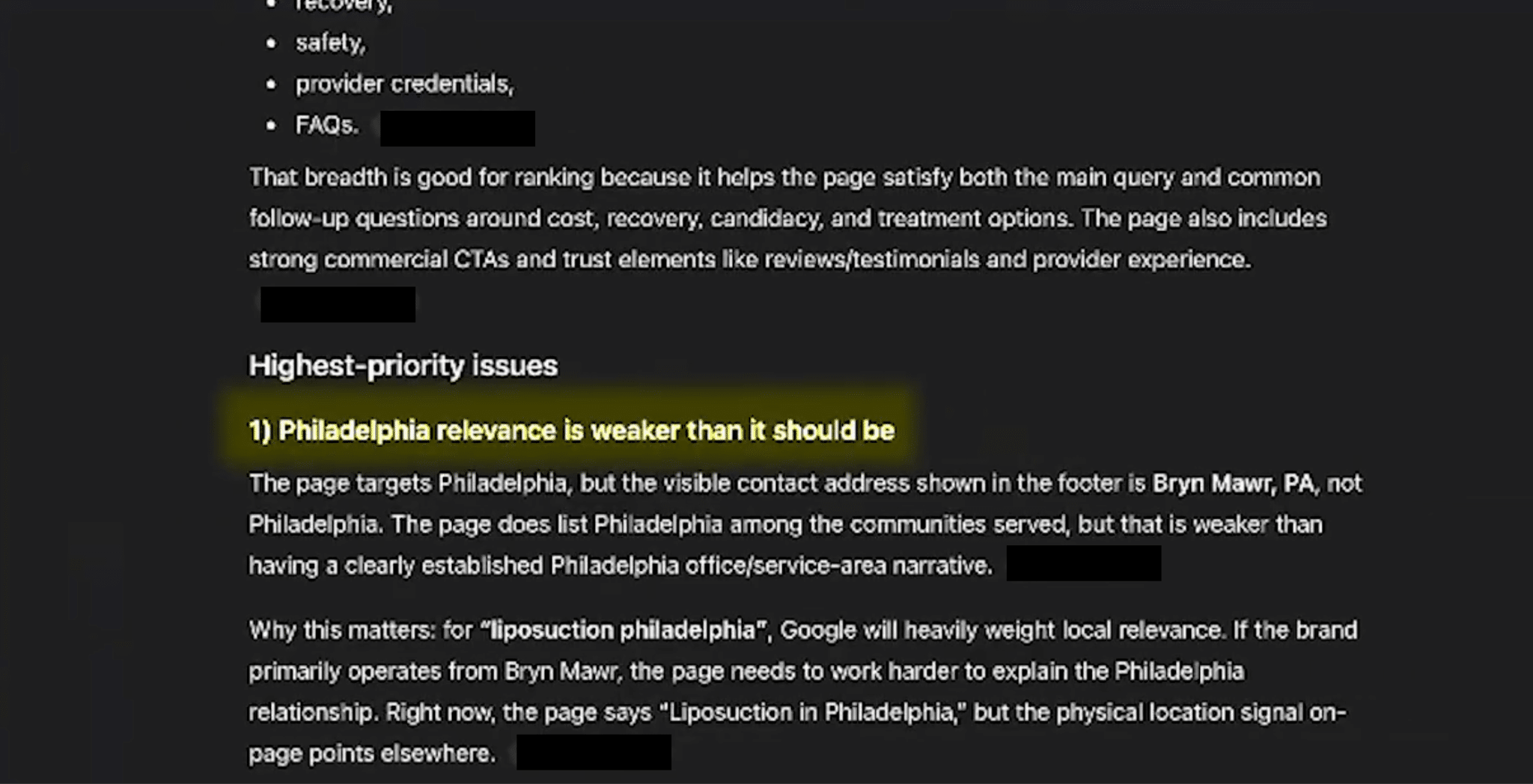
For instance, if an AI suggests adding more local language to a service page, you don't have to dismiss it just because a bot suggested it. If the page is indeed lacking local nuance, the correct response is to acknowledge the validity of the point and integrate it into your workflow. You might tell the client, "I looked through the list, and the point about adding more city specific language to the landing page is a great catch. I've already asked the copywriter to weave that in naturally."
By doing this, you've turned a potentially contentious moment into a collaborative win.
Let the sender come to the conclusion that ChatGPT is wrong
After you have addressed the useful parts, you can move on to the flawed recommendations. However, the goal is still not to simply declare the AI "wrong." Instead, you want to walk the stakeholder through the reasoning so they can reach that conclusion on their own.
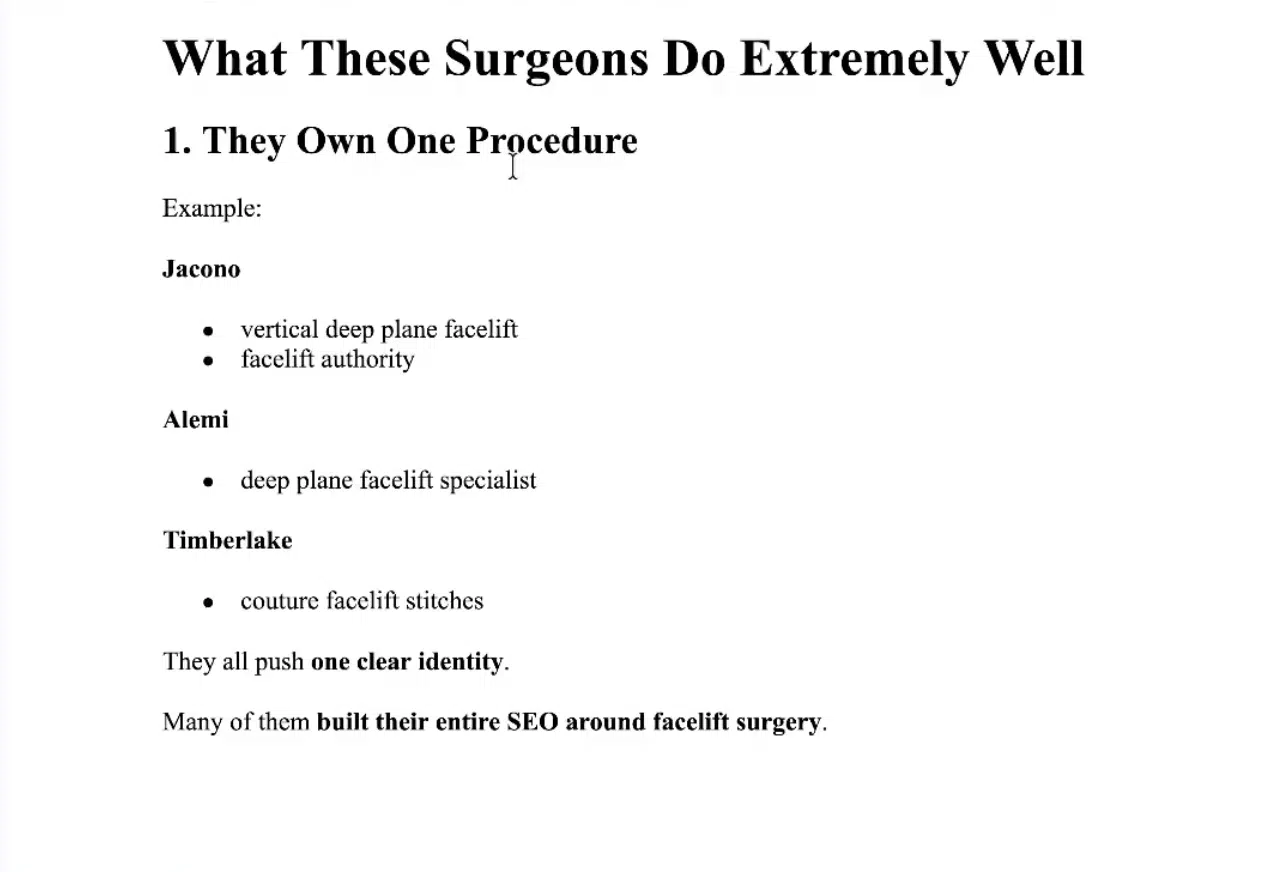
When you provide the logic and the evidence, the client isn't taking your word against the AI's word, they are seeing the evidence for themselves.
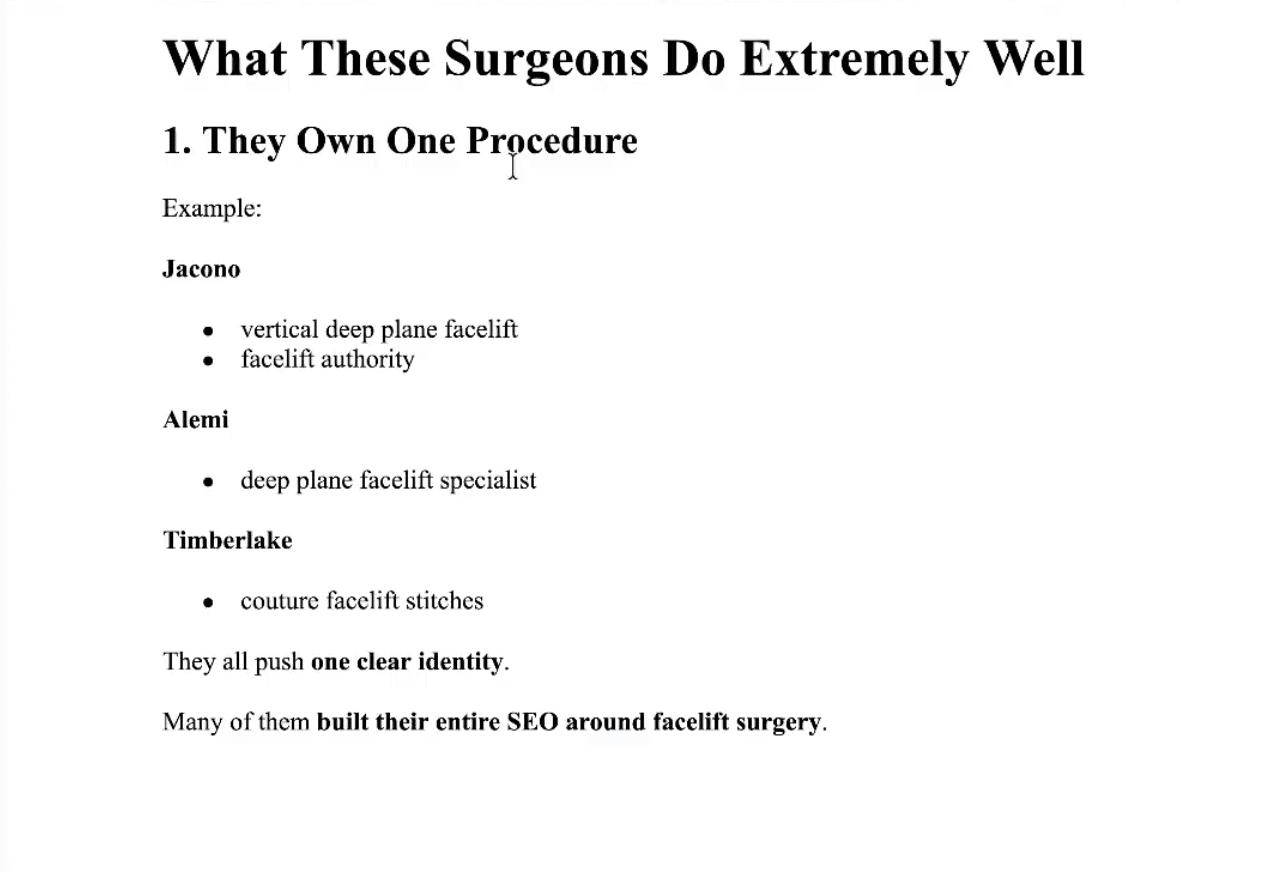
Consider a scenario where a client in a specialized field, such as plastic surgery, sends an AI analysis claiming that competitors are ranking well because they "focused their SEO" on a single specific procedure. A defensive response would be to say, "That's not how SEO works."
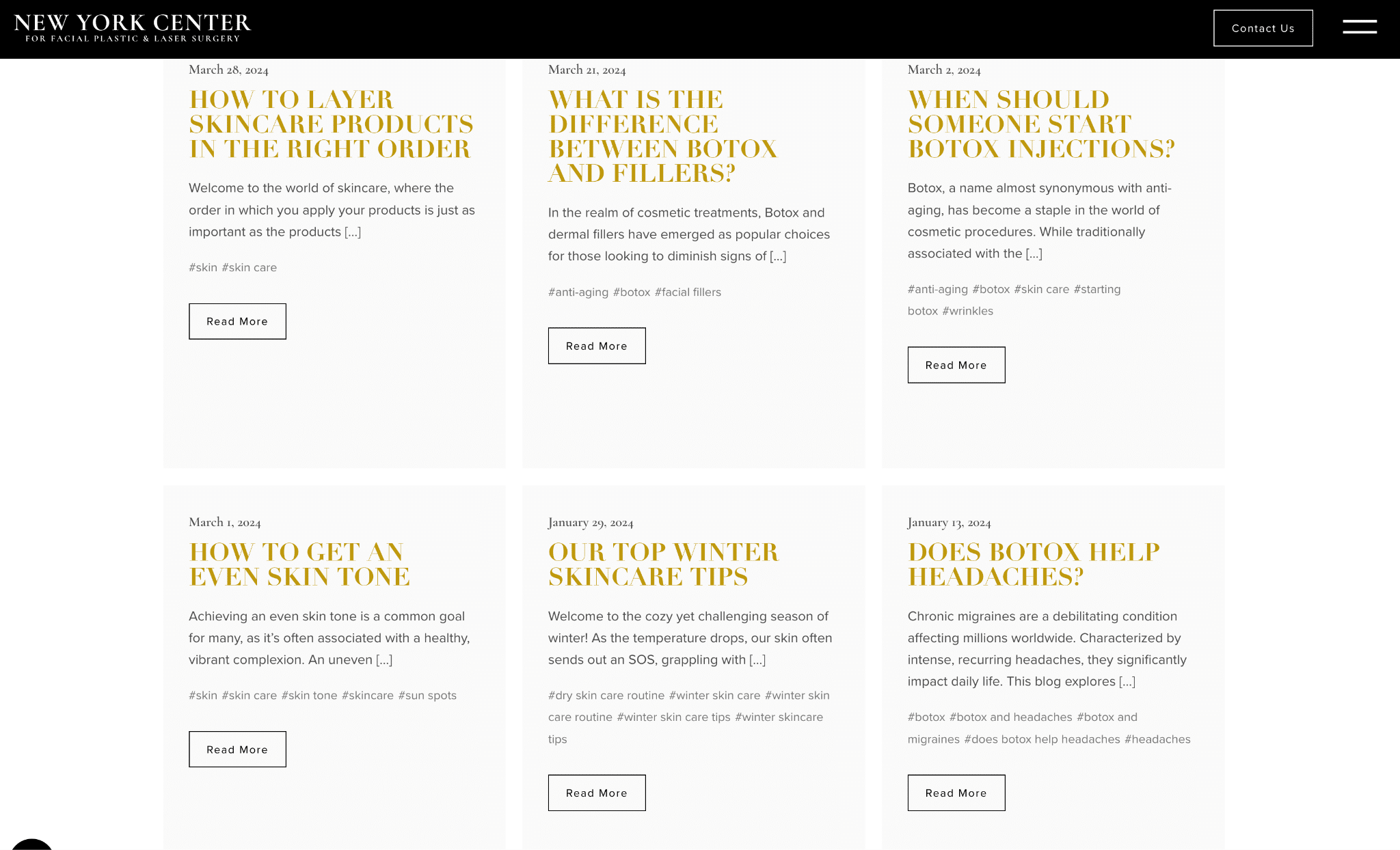
A thoughtful response, however, would explain the nuance. You might explain that while focusing on a specific procedure is a powerful branding and positioning move, which can improve conversion rates and user signals, it is not a strict "SEO rule." You can then point to the competitors' actual websites and show that they still rank for that specific procedure even though they list and write about many other services.
By showing the contradictory evidence calmly, you demonstrate that the AI's conclusion was a simplification. You are teaching the client how to think about the problem, rather than just telling them the answer. You move the conversation from "who is right" to "what is the most effective strategy for the business."
Focus on improving the analysis, not debating the output
Eventually, it becomes necessary to address the root of the problem: AI is only as good as the context it is given. Most clients who send these emails have used a simple prompt like, "Give me SEO recommendations for [website]." They haven't provided the AI with current rankings, conversion data, business goals, or competitor insights.
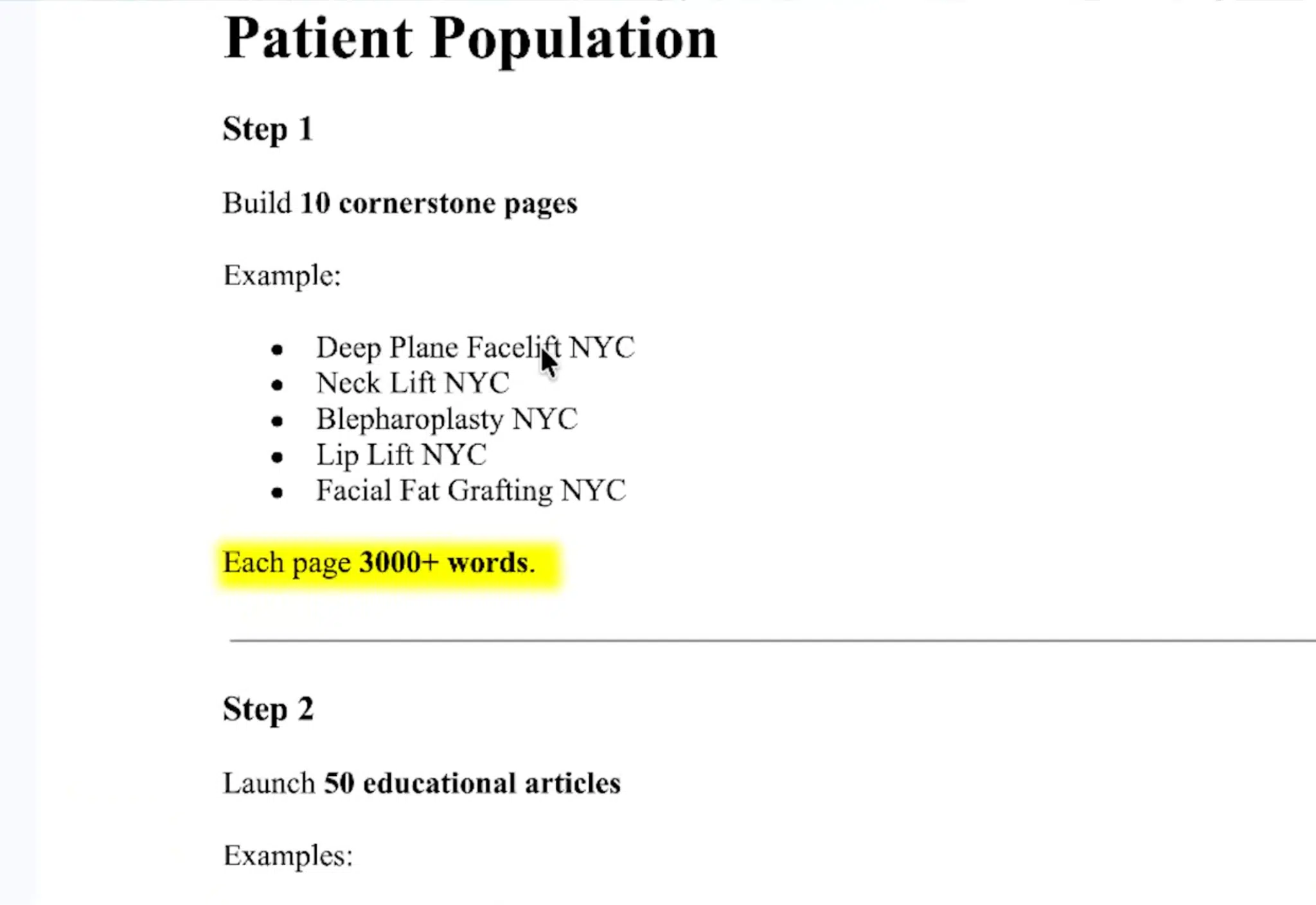
You can use this as an opportunity to educate the client on how AI actually works in a professional capacity. Explain that without specific data and context, the model relies on general patterns and "average" advice, which can lead to misleading suggestions.
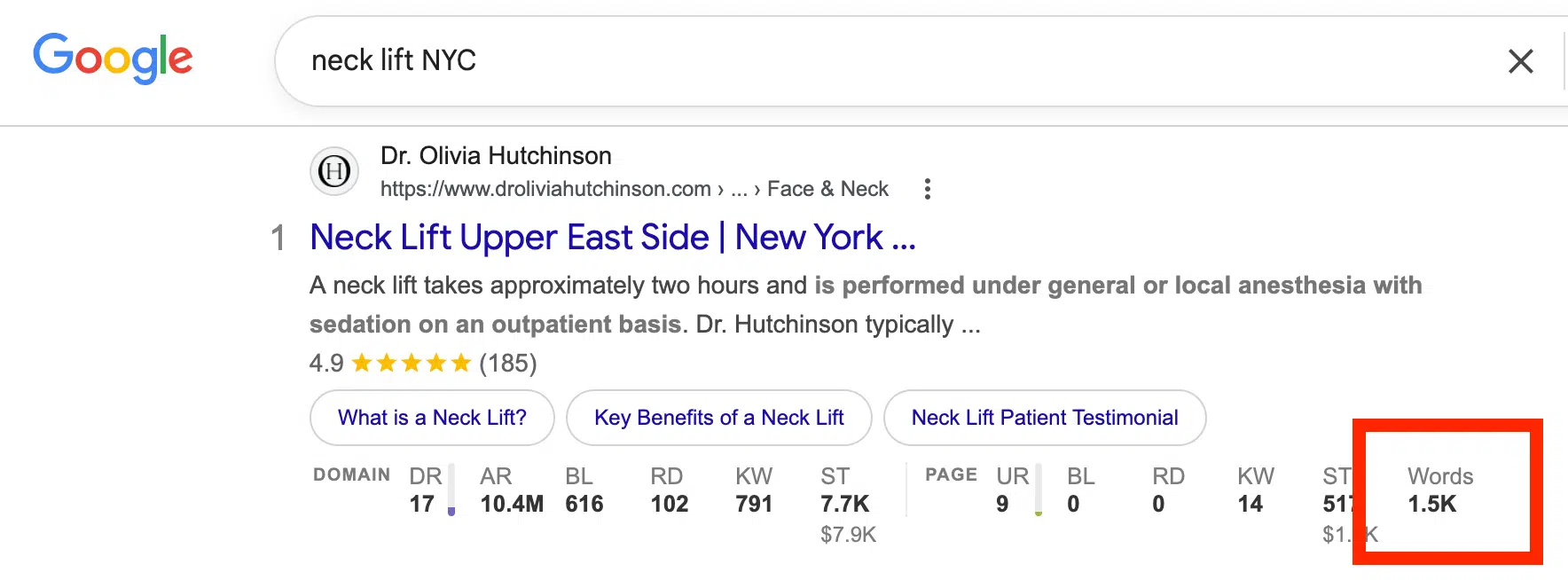
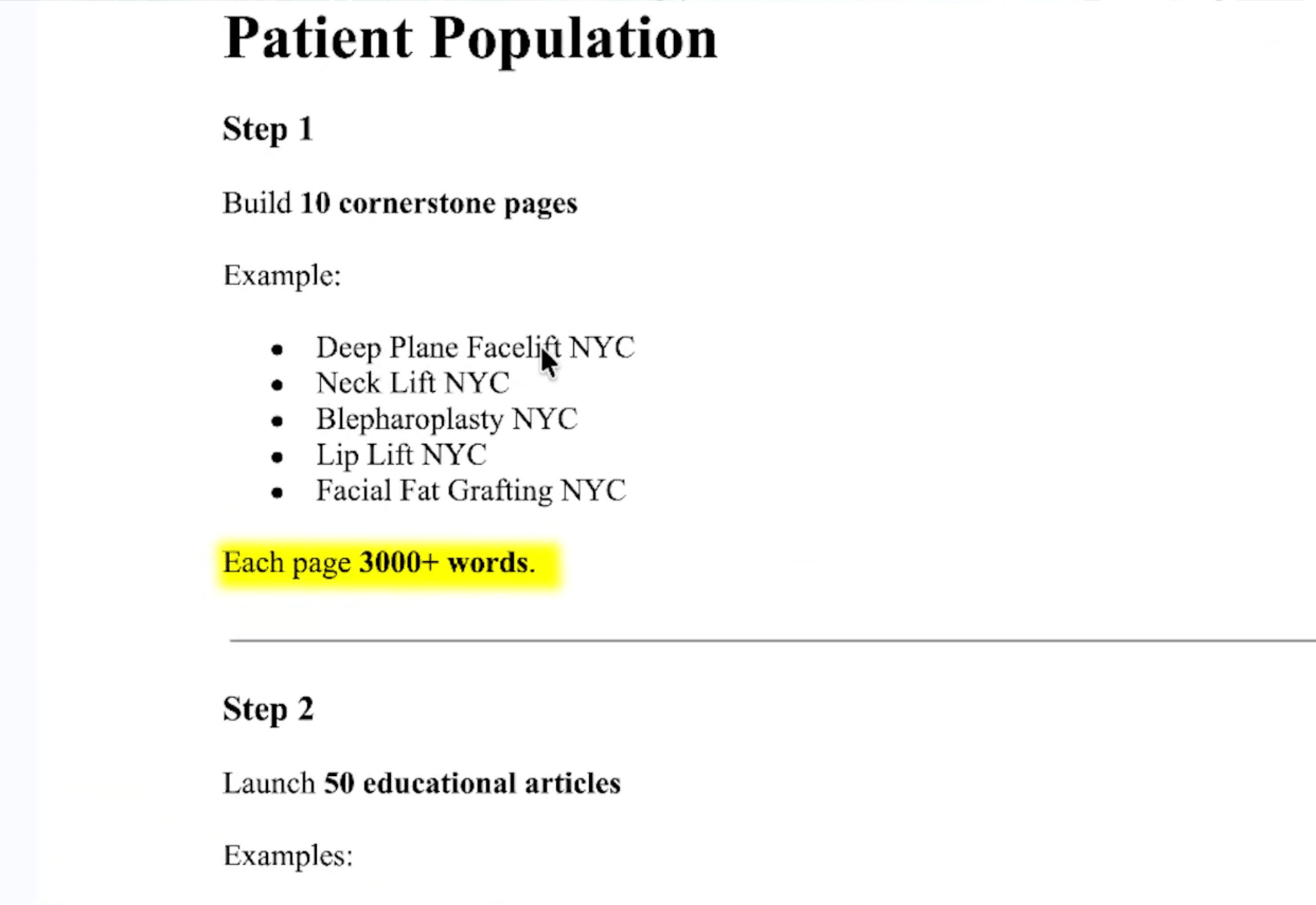
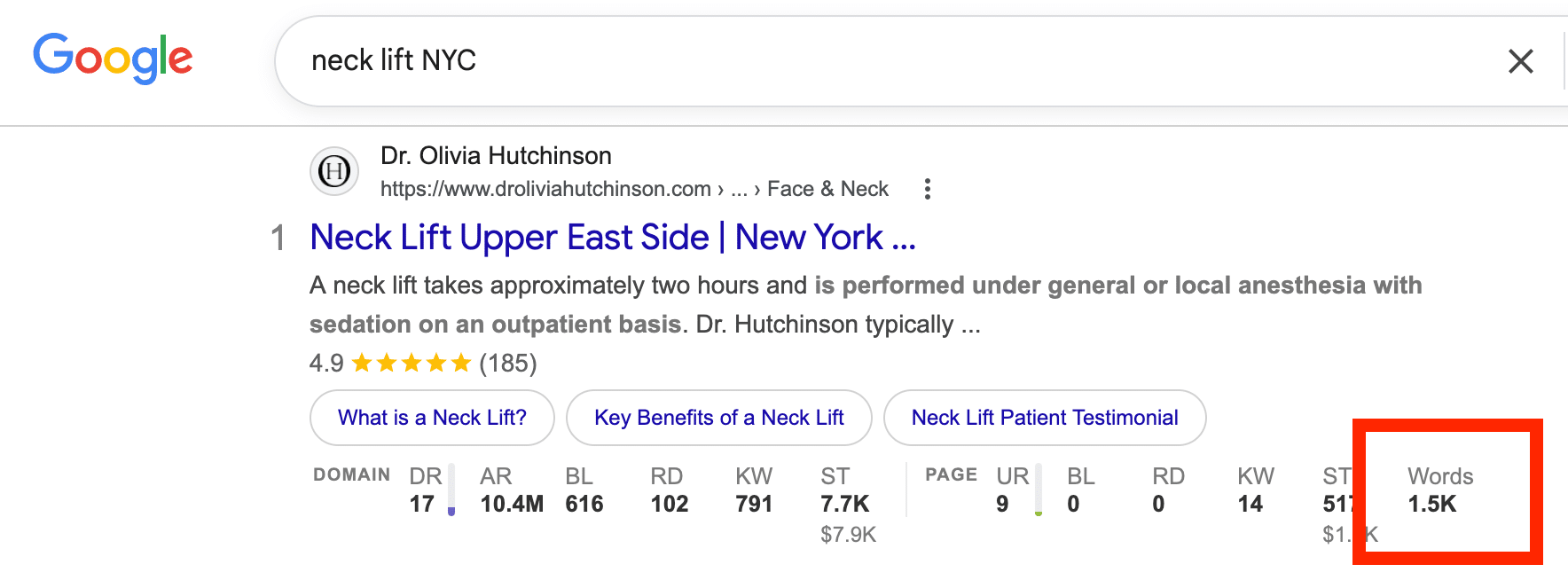
A classic example of this is the "word count" myth. AI often recommends that pages be a certain length, sometimes suggesting 3,000+ words for a procedure page, simply because it has seen a pattern in high ranking content. However, a professional analysis would show that the top ranking results for those specific queries are often much shorter. The raw word count isn't the driver; the quality and intent fulfillment are.
When you point this out, don't frame it as a failure of the AI, but as a limitation of the prompt. This shifts the focus toward improving the analysis. You can suggest that if they want to use AI for brainstorming, you can help them craft better prompts or provide the model with the right data to get more accurate results. This connects with Not the Outputs) when the same signal needs a clearer operating decision.
These emails aren't going away. Learn how to answer them.
The reality is that AI is now a permanent part of the client provider relationship. You will continue to receive these emails from executives, stakeholders, and clients who are eager to experiment with new tools.
The ability to handle these interactions with grace and professionalism is becoming a core competency for marketing leadership. It is no longer just about your ability to execute a technical strategy; it is about your ability to manage the expectations and perceptions of people who have a powerful, yet flawed, tool at their fingertips.
The next time you receive one of these emails, remember that the goal isn't to win an argument. The goal is to maintain a relationship of trust while steering the project toward the best possible outcome. If you can turn a "ChatGPT suggestion" into a moment of education and collaboration, you aren't just doing SEO, you're providing high level strategic leadership.
Comments
Comments are reviewed before they are published. Links are not allowed inside comments.