Google Adds Branded & Multimodal Data to Search Console API
/ 6 min read

Summary
Your API results can now include a brandedClassification dimension, which enables you to use either the values BRANDED or. The practical question is what this changes for SEO, content quality, and AI search visibility.

Google has announced that it is adding three features from its Search Console Performance report to the Search Analytics API. This means website developers and tool makers can build these features directly into their automated reporting systems.
According to Google's blog post announcing this, the API now supports the branded queries filter, multimodal web search data (web multimodal), and filters that are able to track multiple countries or device types within one API call.
Branded Data Starts Feb. 21, 2026
Your API results can now include a brandedClassification dimension, which enables you to use either the values BRANDED or NON_BRANDED for filtering or grouping based on branded vs. non branded searches. According to the API reference. The practical read is that brand signals need to be consistent enough for both people and AI systems to form a stable view of the company, its expertise, and its trust signals.
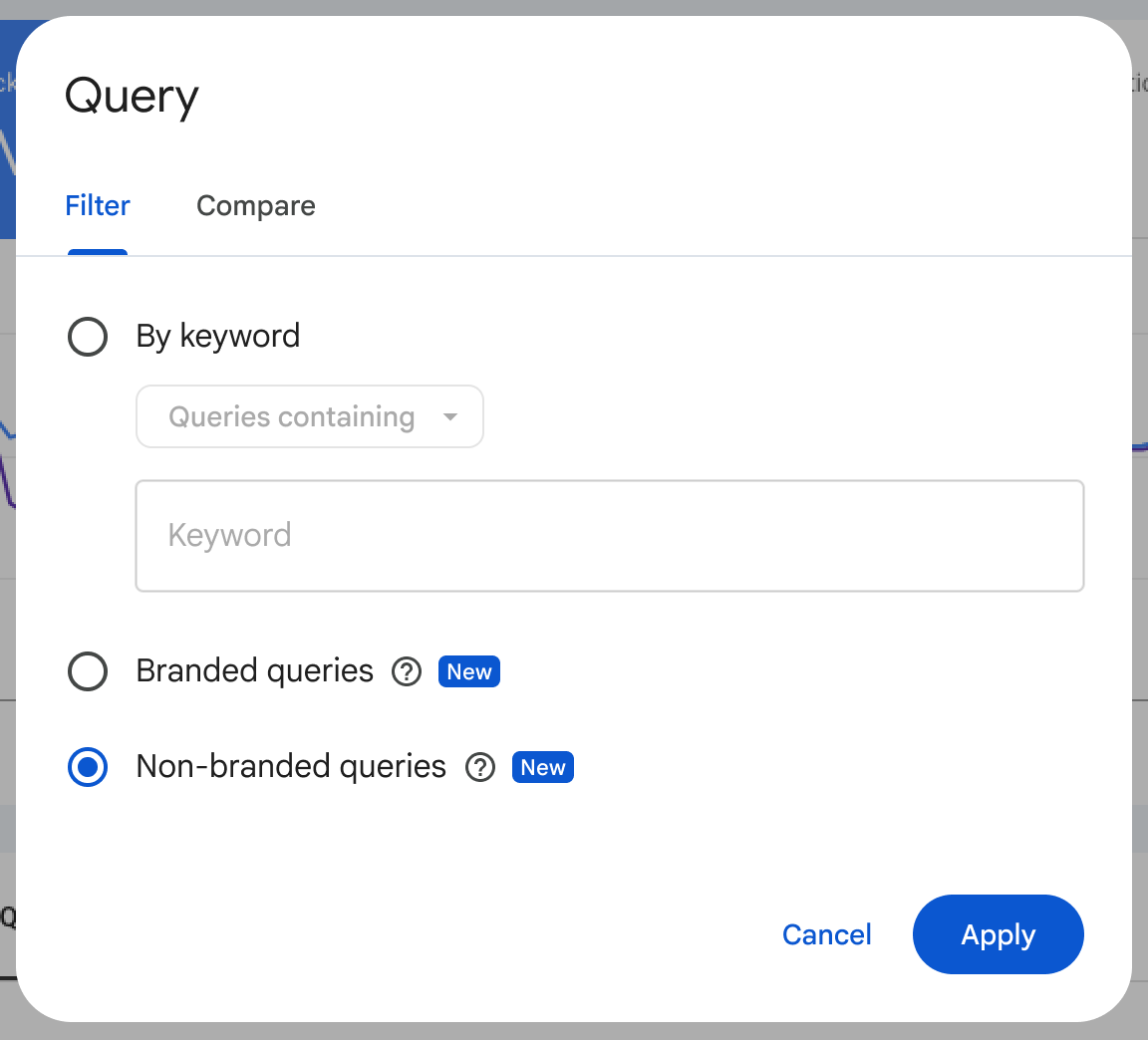
The reporting question is whether this signal changes a decision. If it only creates another number in a dashboard, it adds noise. If it helps separate profile activity, website visits, calls, bookings, and direction requests, it can make local performance easier to understand.
Multimodal Data Gets Its Own API Type
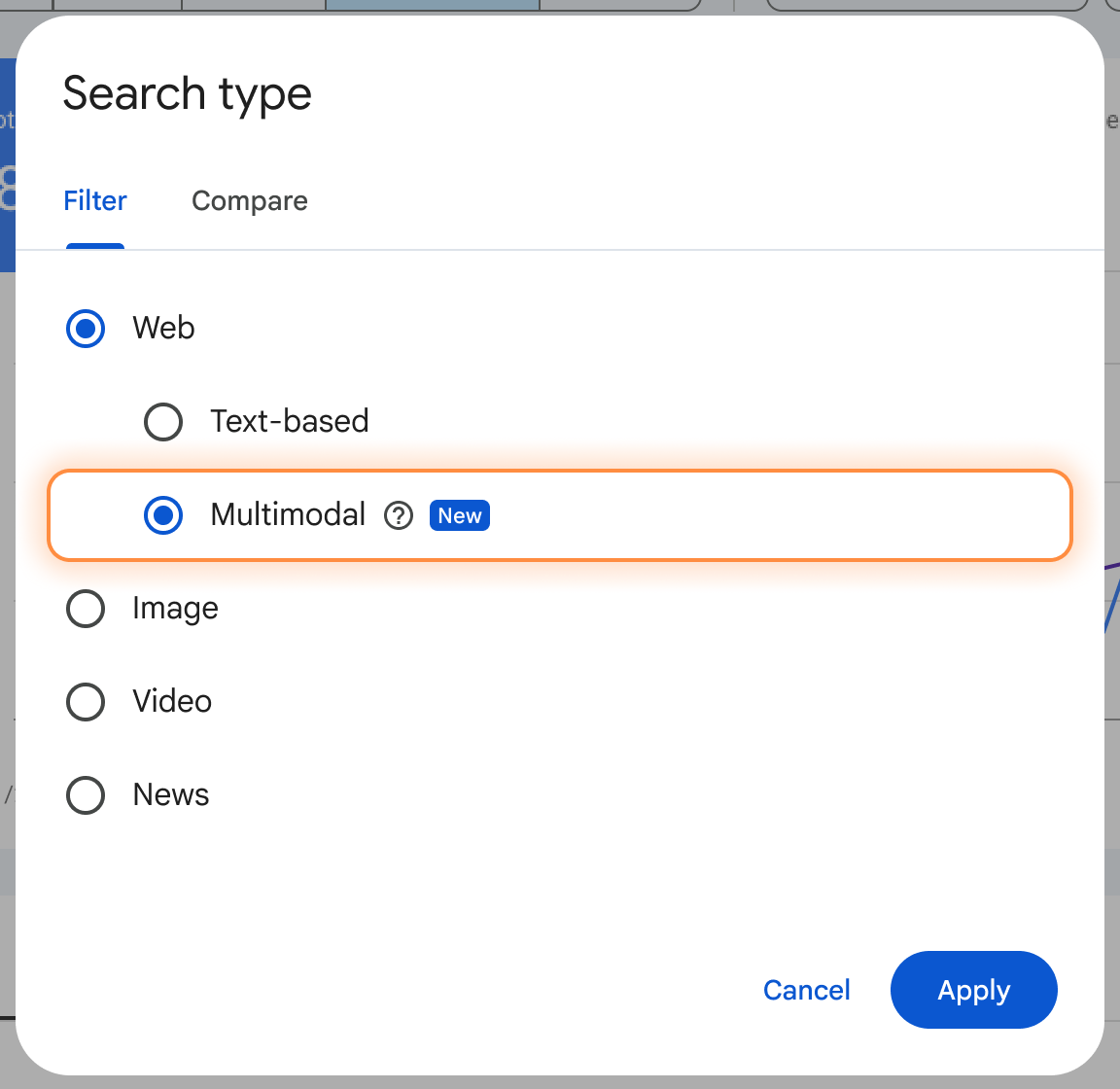
Searches with Google Lens provide multimodal performance metrics when type is set to webMultimodal, as do Circle to Search on an Android device and uploading images to Google Search, according to the reference. After multimodal reporting. The measurement question is whether this signal changes a decision, not whether it adds another number to a dashboard. Useful reporting connects visibility, engagement, and business outcomes without pretending every AI influenced journey will produce a clean click path.
Several Countries Or Devices In One Request
The reference limits filterLists to country and device dimensions and matches on exact values only. Users cannot use the same dimension (country or device) in filters and in filterLists in the same request. The practical question is what this changes in the system: the page structure, the evidence presented, the measurement habit, or the way the topic is connected to related work.
The practical value is in connecting the idea to an observable signal. That means deciding what should be checked, what would prove the issue is real, and where the team should make the smallest useful improvement first.
Why This Matters
On eligible properties, the new feature allows teams using the API to capture a branded/non branded split in their reporting tools, starting Feb. 21, 2026. For data prior to this date, the API's split has no ability to break out branded. The practical read is that brand signals need to be consistent enough for both people and AI systems to form a stable view of the company, its expertise, and its trust signals.
Looking Ahead
As of Nov. 16, neither Google's post nor the API reference explains how far back webMultimodal data goes. Check the API reference and the bulk export table reference for a BigQuery date, the start date for multimodal history, and any. The search implication is whether the section improves the evidence around the page, not simply whether it adds more wording. Clear entities, crawlable structure, internal links, and useful context are what make the topic easier to evaluate. A useful companion note is Google’s Indexing API Docs No Longer Explain, because it looks at a nearby part of the same system.
The useful check is whether this improves the system behind search performance, not only the words on the page. Internal links, crawlable content, clear entities, current evidence, and a sensible page structure all help the recommendation become easier to trust.
Branded Data Starts Feb. 21, 2026 in practice
Introduction Google has announced that it is adding three features from its Search Console Performance report to the Search Analytics API. This means website developers and tool makers can build these features directly into their automated. The practical read is that brand signals need to be consistent enough for both people and AI systems to form a stable view of the company, its expertise, and its trust signals.
What the visibility signal actually changes
What the visibility signal actually changes: google Adds Branded & Multimodal Data to Search Console API: the Practical Angle should be treated as a visibility signal, not a standalone headline. Introduction Google has announced that it is adding three features from its Search Console Performance report to the Search Analytics API. This means website developers and tool makers can build these features directly into their automated reporting systems.
What the visibility signal actually changes: the practical question is whether the page, brand evidence, and surrounding content make the answer easier to trust. If that support is weak, search systems can still understand the topic but fail to connect it confidently to the brand.
What the visibility signal actually changes: that is why the response should begin with an audit of the evidence already on the site before creating a new asset. The fastest improvement is often a clearer page, a better internal link, or a stronger explanation of why the brand belongs in the answer.
Where the evidence needs to be tested
Where the evidence needs to be tested: a single study or ranking observation should not become a strategy by itself. It should become a diagnostic prompt: which source is being trusted, which query pattern is affected, and which part of the site would make that trust easier to earn?
Where the evidence needs to be tested: that keeps the response grounded. The goal is to improve the evidence chain around the topic rather than publish another summary that repeats what every other page already says.
Where the evidence needs to be tested: the important distinction is between a useful signal and a fashionable talking point. A useful signal changes the brief, the page structure, the linking plan, or the measurement view.
How to avoid overreacting to one data point
How to avoid overreacting to one data point: for content teams, the strongest move is to map the claim to existing assets before creating anything new. The right page may already exist, but it may need clearer headings, stronger internal links, fresher proof, or a better explanation of why the brand belongs in the answer.
How to avoid overreacting to one data point: this is also where title rewriting matters. A title should not copy the source headline; it should frame the practical implication so readers immediately know why the topic deserves attention. This connects with ChatGPT’s Search Index Serves Small Sites Too when the same signal needs a clearer operating decision. The same pattern also shows up in It’s Layering on Top, where the practical question is how the signal becomes visible.
How to avoid overreacting to one data point: the same standard should apply to every section. Each heading needs to earn its place by moving the reader through the evidence, not by repeating the outline in a more polished voice.
What this means for content and authority
What this means for content and authority: authority is becoming more contextual. It is not enough to be generally known in a category if the specific answer depends on a different source, a different index, or a different retrieval pattern.
What this means for content and authority: that means the content system should show consistent entities, related pages, credible references, and useful depth around the exact questions people and AI tools are asking.
What this means for content and authority: when the context is weak, AI systems can still mention the brand but describe it in the wrong frame. The fix is not more volume; it is cleaner evidence around the specific association.
Comments
Comments are reviewed before they are published. Links are not allowed inside comments.