How I’m Approaching AI Search (And How You Should To)
/ 9 min read

Summary
AI search is a marketing challenge, not just an SEO one. It synthesizes your wider online presence, positioning, reputation, and. The practical question is what this changes for SEO, content quality, and AI search visibility.
For too long, the SEO industry has survived on a diet of mediocrity. We have spent years updating the same "best of" lists and chasing keyword volumes, essentially playing a game of follow the leader with other practitioners. It is a narrow way to work, and frankly, I do not have the energy to play a game of catch up every two years as the algorithms shift.
AI search is forcing a reckoning. If you treat it as just another technical hurdle or a new set of citation tactics to "hack," you are missing the point. I have come to view AI search as the ultimate synthesis of every marketing effort you make. Your reputation, your positioning, and your presence across the web are now the primary inputs for how these systems understand and represent you. It is no longer just about what is on your website.
The Shift from SEO to Marketing
The core realization here is that AI search is a marketing challenge, not a technical SEO problem. While we often use the word "marketing" loosely, in this context, it means moving beyond the prompt. If you start your strategy by asking which prompts you should appear in, you are starting at the end of the chain.
Instead, the focus must shift to the audience. You need to understand who actually matters, what they care about, where they spend their time, and who they trust. The goal is to build something that is actually worth discovering. When you combine technical foundations with a genuine off site presence, you create a brand that AI systems naturally want to recommend because the rest of the internet is already doing so. This connects with So Build What It Can Read when the same signal needs a clearer operating decision. A useful companion note is We Earned 1, because it looks at a nearby part of the same system.
Expert Interpretation: The tradeoff here is speed versus sustainability. It is faster to try and "optimize" for a specific LLM response, but that is a fragile strategy. The decision you need to make is whether you want a temporary spike in visibility or a permanent increase in brand authority. I argue for the latter. The same pattern also shows up in search visibility, where the practical question is how the signal becomes visible.
Understanding the Underlying Technology
You do not need to be a data scientist, but you should understand the basic mechanics of how information is retrieved today. This prevents you from building a strategy based on myths. There are a few fundamental concepts that dictate how you are perceived by AI:
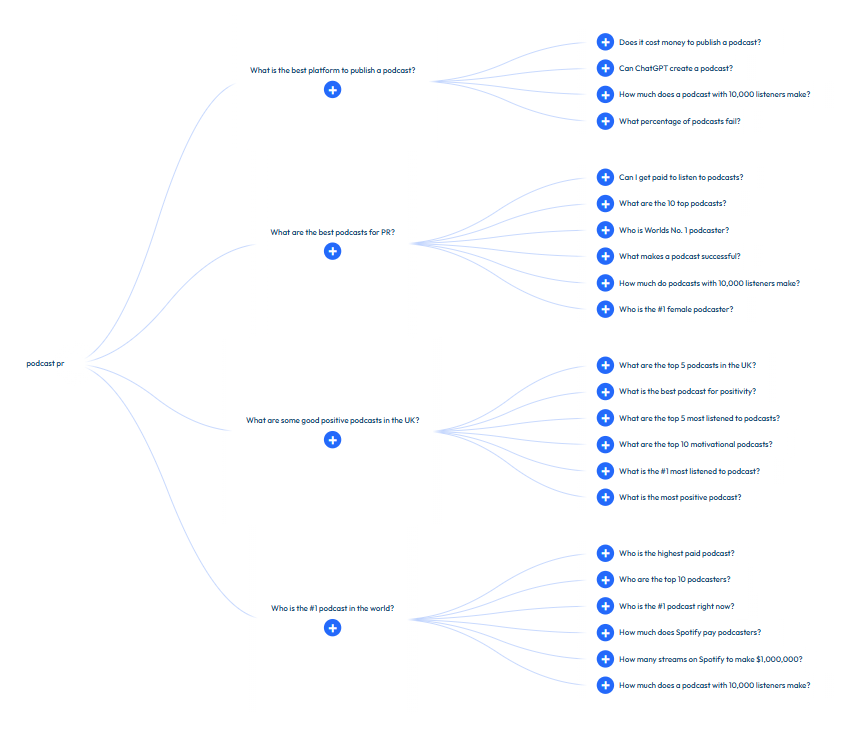
Disambiguation: This is how a system tells the difference between two people with the same name or a company and a concept. Training Data: The massive datasets that build the model's core knowledge. Vectorization: The mathematical representation of information that allows AI to find semantic relationships between different pieces of content. Query Fan out: The process of expanding a single query into related questions and adjacent information needs to provide a complete answer.
It is also critical to distinguish between parametric memory (what the model learned during training), the information the system retrieves in real time, and the final output the user sees. Being crawled by a bot does not guarantee you will be in the training data, and being retrieved does not guarantee a citation. More importantly, a citation does not automatically equal commercial value.
Expert Interpretation: Many people mistake "being mentioned" for "being influential." The gap between retrieval and a helpful recommendation is where the actual marketing happens. Inspect your current presence to see if you are merely "available" or if you are actually "authoritative."
Adopting a True Audience First Mindset
I have fundamentally changed how I approach research. I no longer start with search volume or specific prompts because my trust in those metrics is at an all time low. Instead, I look at where the audience actually lives.
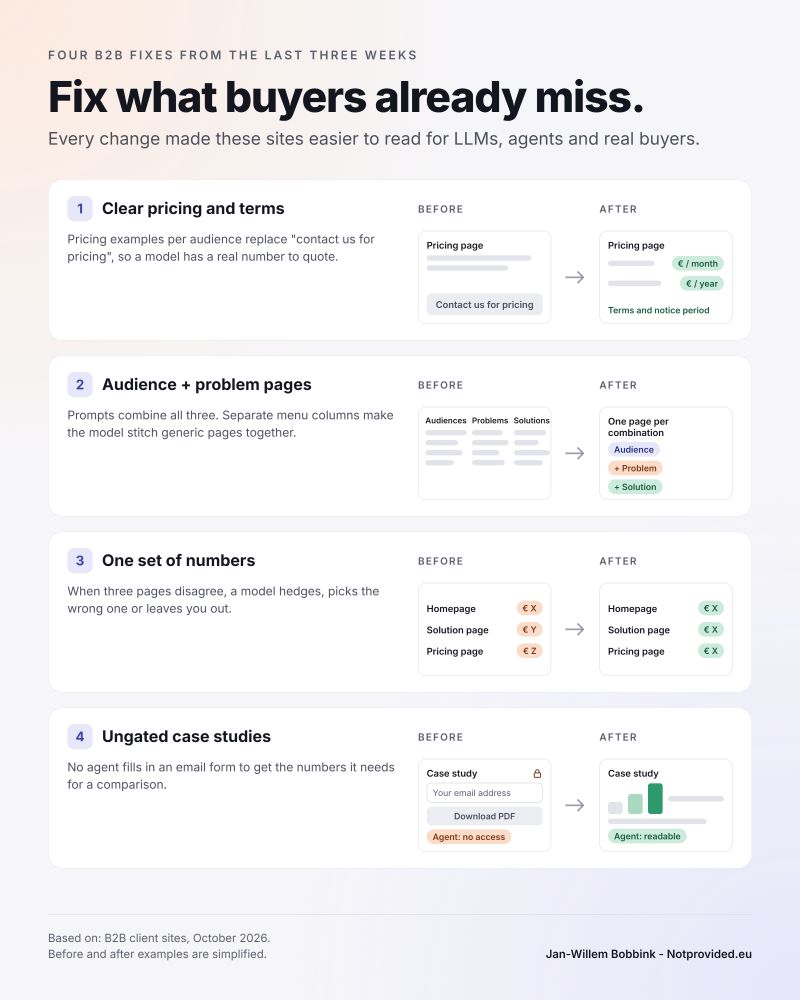
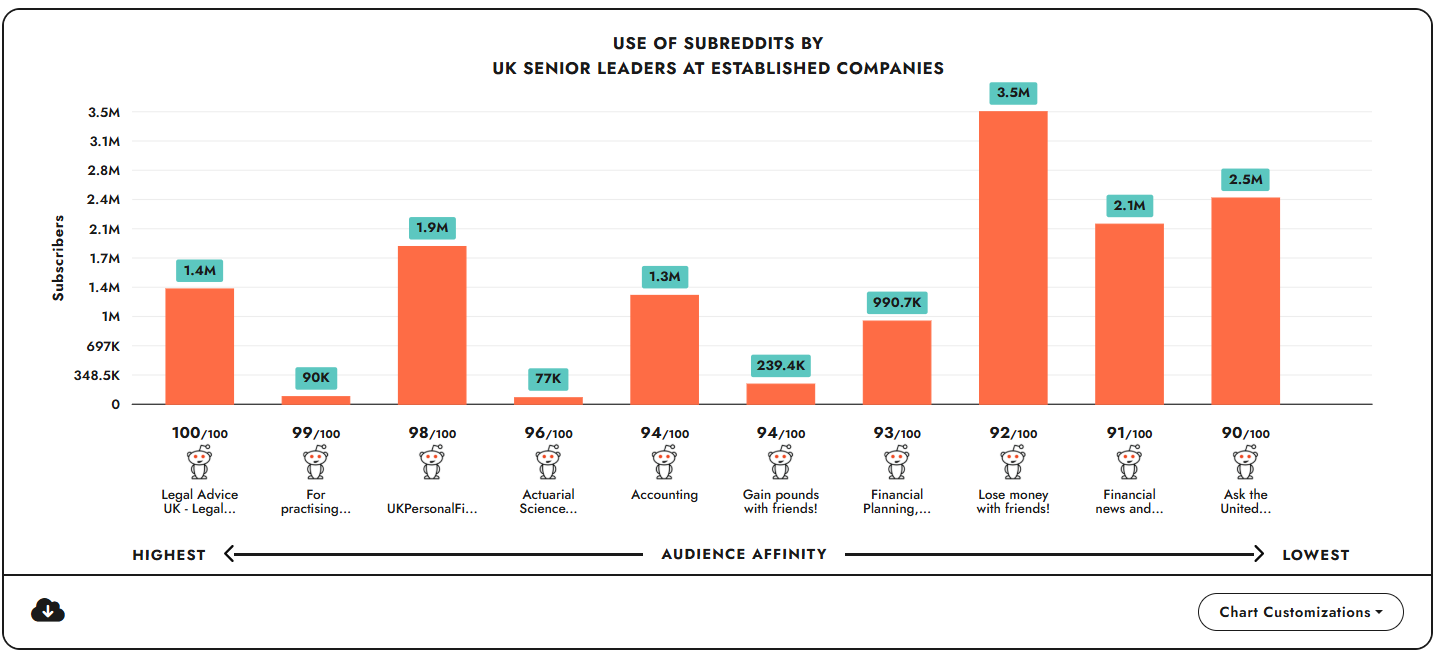
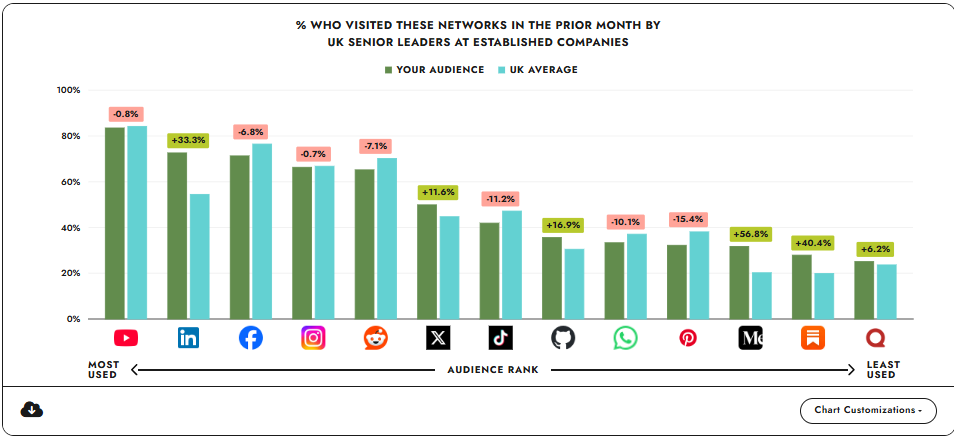
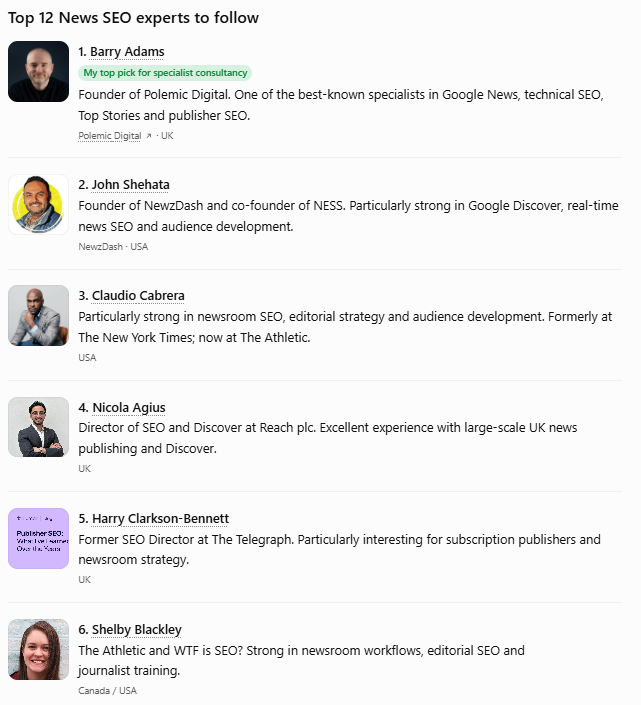
Using tools like SparkToro, I investigate which websites they visit, which experts they follow, and which platforms they use disproportionately compared to the general public. I then layer this with AI search behavior and an analysis of the brand's current positioning. I often simply ask various LLMs about a brand and record the responses to see the current "truth" as the AI sees it.
This research should drive two specific outcomes. First, it should refine your owned platforms, ensuring your language and services are human and well targeted. Second, it should dictate your wider marketing spend, directing resources toward the places where your target audience actually trusts the information they receive.
Expert Interpretation: The risk here is "analysis paralysis." You do not need a 50 page report; you need a clear map of influence. The decision is to stop optimizing for the bot and start optimizing for the human who prompts the bot.
Getting Your Internal House in Order
While audience research sets the strategy, your website remains the source of truth. It must be accessible and representative of who you are. This is where traditional SEO expertise is still highly valuable, provided it is applied to the right areas.
Technical Foundations and Bot Management
The first question is simple: can the AI crawlers actually get to your content? This involves a review of robots directives, rendering, and site architecture. However, not all bots are created equal. There is a significant difference between training crawlers, search crawlers, and user triggered retrieval systems.
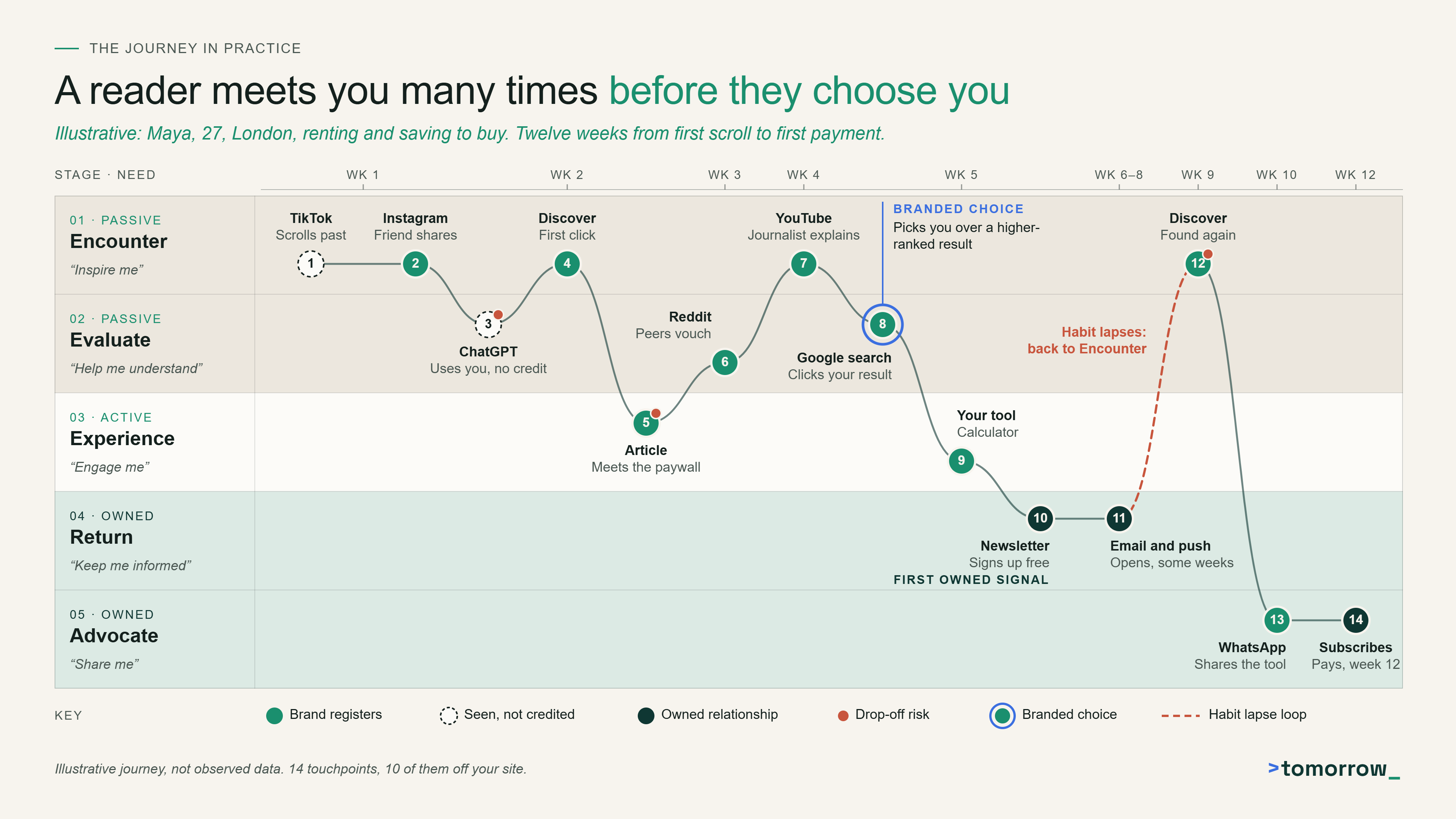
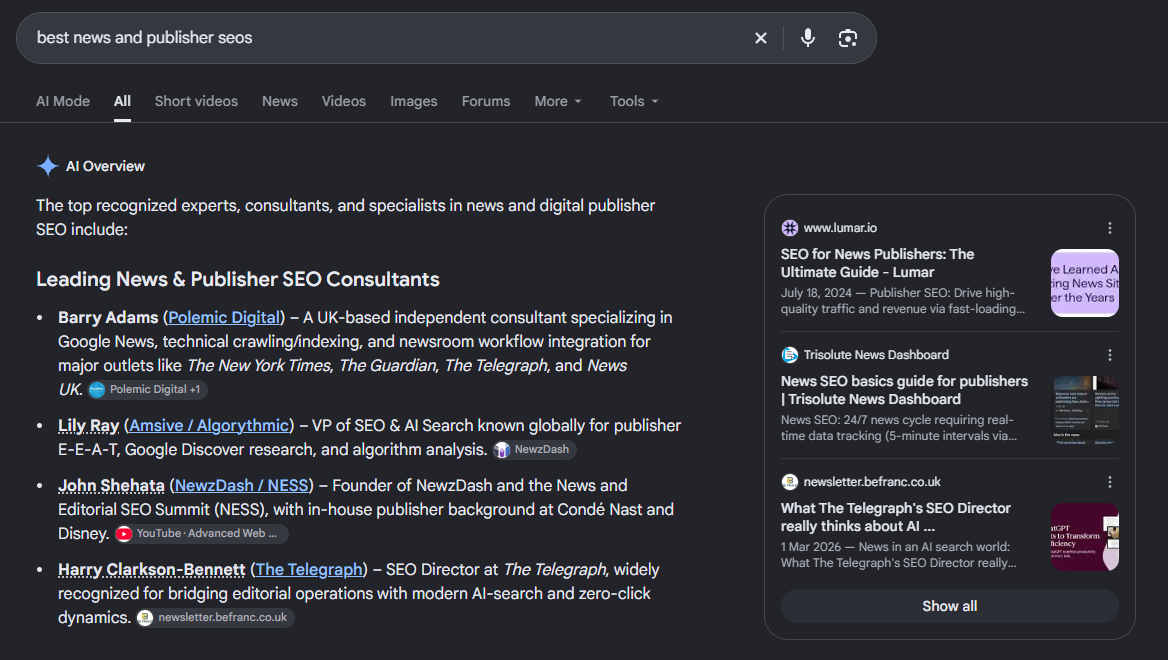
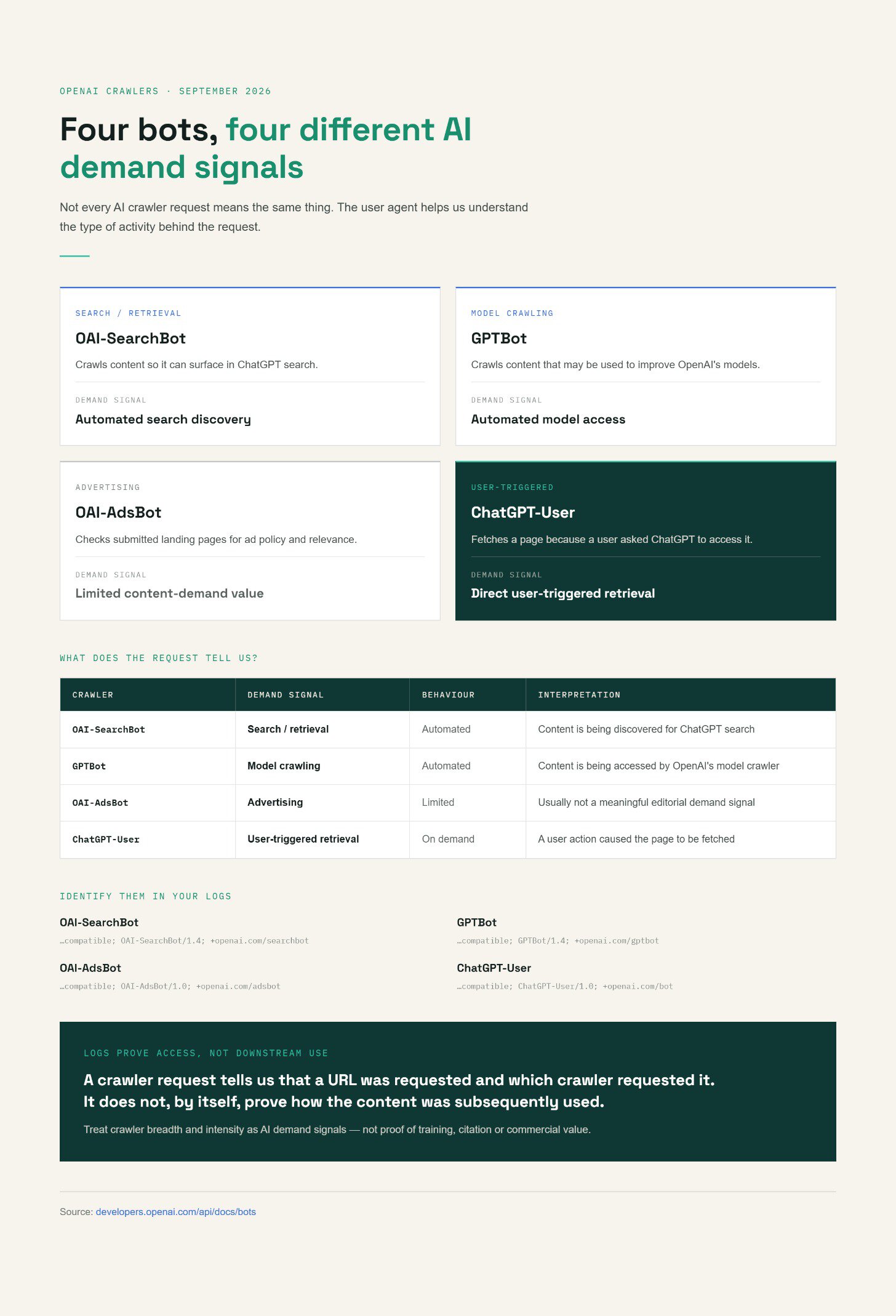
This is particularly sensitive for publishers. Many large publishers block AI crawlers to protect their intellectual property and copyright. While there are valid commercial reasons for this, it fundamentally changes your discoverability. If you block access, you are trading visibility for protection. In that scenario, the role of the SEO shifts from maximizing access to helping the business navigate the trade off between IP protection and brand awareness.
Entity Management
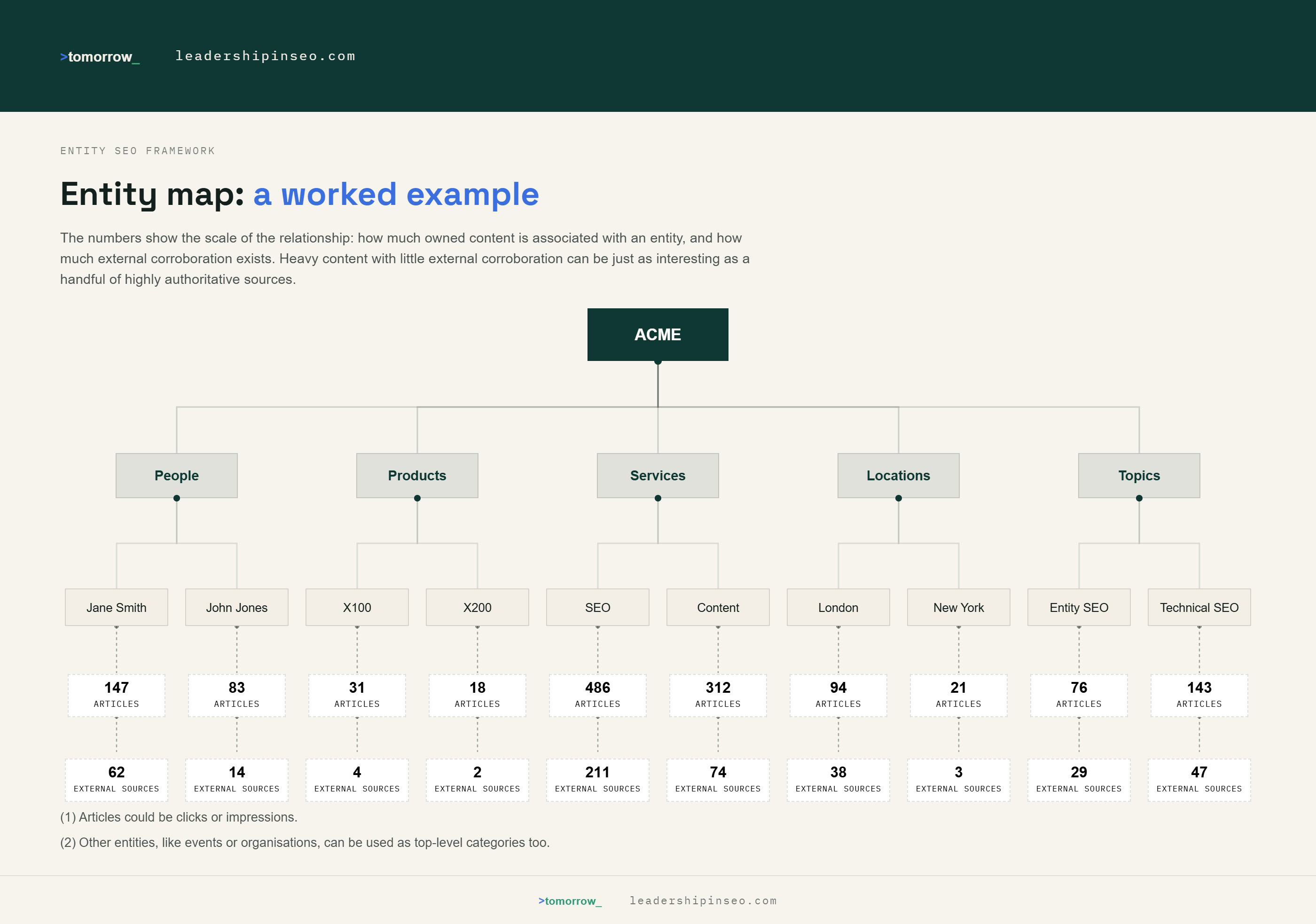
Modern information retrieval is built on entities. To manage this, you must first establish a consistent identity across all properties you control. Be explicit about who you are, what you do, and what your expertise is.
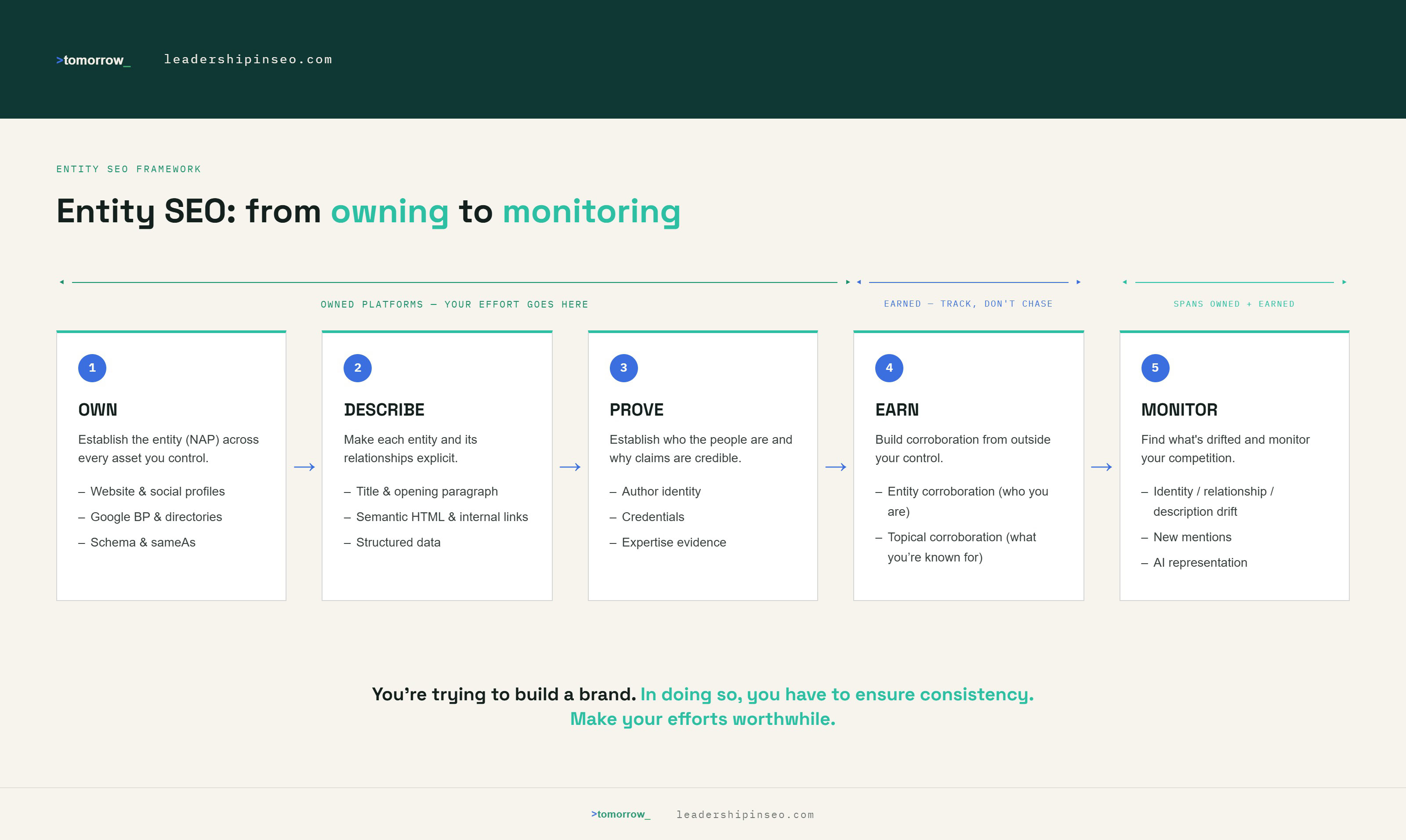
Crucially, you must support these claims with evidence. This means showcasing credentials, original research, case studies, and demonstrable experience. Once you have defined yourself, you need corroboration from the rest of the web. Your off site presence should not just repeat what you say about yourself, but extend it and introduce you to new audiences. Monitoring how this identity evolves over time is the final piece of the puzzle.
Expert Interpretation: Most companies treat structured data as a "checkbox" task. In reality, entity management is about reputation. The decision to make is whether you will rely on a few lines of JSON LD or build a body of evidence that makes your authority undeniable.
Building Influence Where It Actually Matters
Once your internal identity is set, you have to rely on others to validate it. This is where real marketing takes over from SEO. I am talking about PR, partnerships, and genuine audience development.
If your target audience spends their time in specific communities or reading certain publications, that is where you need to be. Forget about "getting a citation" for the sake of the AI. Focus on getting the attention of the people you can actually sell to. This might involve publishing original research, appearing on podcasts, or contributing expertise to industry publications.
Some of these efforts will result in links, but the more valuable outcomes are the mentions, relationships, and brand equity that follow. When the humans in your industry talk about you, the AI systems eventually follow suit.
Expert Interpretation: The tradeoff here is control. You cannot control what a third party says about you, but you can control the quality of the value you provide them. The decision is to move from a "link building" mindset to a "relationship building" mindset.
The Role of Experimentation
AI search and traditional SEO share the same fundamentals: crawling, retrieval, and uniqueness. However, AI search often has a much longer tail of queries. While it is tempting to try and create a page for every possible question a user might have, that is not a sustainable strategy.
You have to strike a balance. Visibility without impact is useless. There is plenty of room to test new formats and content types, but they should be things that real people actually care about. If a piece of content is genuinely useful to a human, it will likely perform well in both traditional search and AI retrieval.
Expert Interpretation: The danger is chasing "AI specific" content formats that feel robotic. The decision should be to test for utility, not for "algorithm fit."
Measuring Visibility and Its Limitations
Measurement in the AI era is difficult because the data is fragmented. Personalization and the lack of standardized prompt data make "AI visibility" a flawed metric. However, it is still a valuable indicator of how you are represented.
I recommend tracking a representative set of prompts across four categories: branded questions (to find inaccuracies), category questions, competitor comparisons, and "best of" queries. This allows you to see if an old service page or an outdated third party profile is causing the AI to describe your business incorrectly.
Expert Interpretation: Do not present these numbers to the C-suite as absolute truths. They are indicative, not definitive. The decision is to use this data for course correction rather than as a primary KPI.
Evaluating Incremental Commercial Impact
It is important to realize that AI systems do not always send direct traffic, but they still influence commercial outcomes. Data suggests that users who receive a brand recommendation in an AI chat are significantly more likely to visit that brand's website in the following days, often via a direct branded search rather than a referral link.
Referral traffic from LLMs is a secondary measure. The real value is in brand discovery and consideration. Because our current attribution systems cannot track "I saw this in a chat three days ago," we have to look at incremental growth in branded demand and overall engagement.
The Publisher's Dilemma
Publishers face a different challenge because their business model relies on the click. When AI summarizes their content, it can cannibalize their revenue. For these businesses, the strategy must involve analyzing the cost of this loss against the value of the exposure. This requires combining AI visibility data with server logs and traffic dependency to find where new monetization opportunities might exist.
Expert Interpretation: For most businesses, AI is a discovery tool. For publishers, it is a potential competitor. The decision for publishers is to determine where they must protect their content and where they can use their authority for new revenue streams.
Thinking Commercially About AI
Regardless of your role, you should be thinking about the commercial value of your influence. Organizations with high authority in a specific subject have an asset that can be monetized beyond simple ad revenue or clicks.
Comments
Comments are reviewed before they are published. Links are not allowed inside comments.