Structured Data Can Make AI Crawler Access More Intentional
/ 7 min read

Summary
A practical view on Structured Data Can Make AI Crawler Access More Intentional, focused on the signal to inspect, the risk to avoid, and the decision it should change.

Why AI Crawlers Matter for Modern Websites
AI crawlers are no longer just tools for search engines, they're becoming critical infrastructure for content discovery, data aggregation, and even monetization. Unlike traditional crawlers that follow static rules, modern AI systems analyze patterns, learn from interactions, and adapt in real time. This means your website's structure, metadata, and even user behavior can influence how these systems index and prioritize your content.

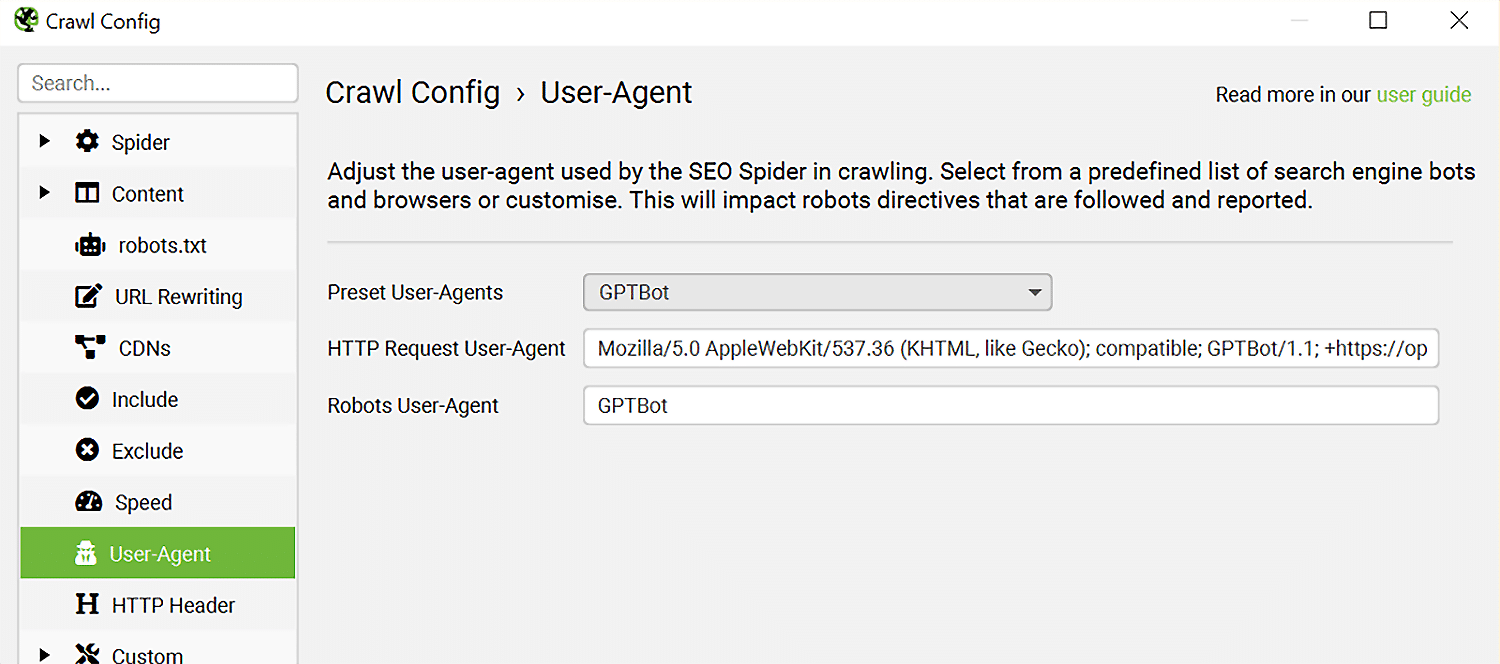
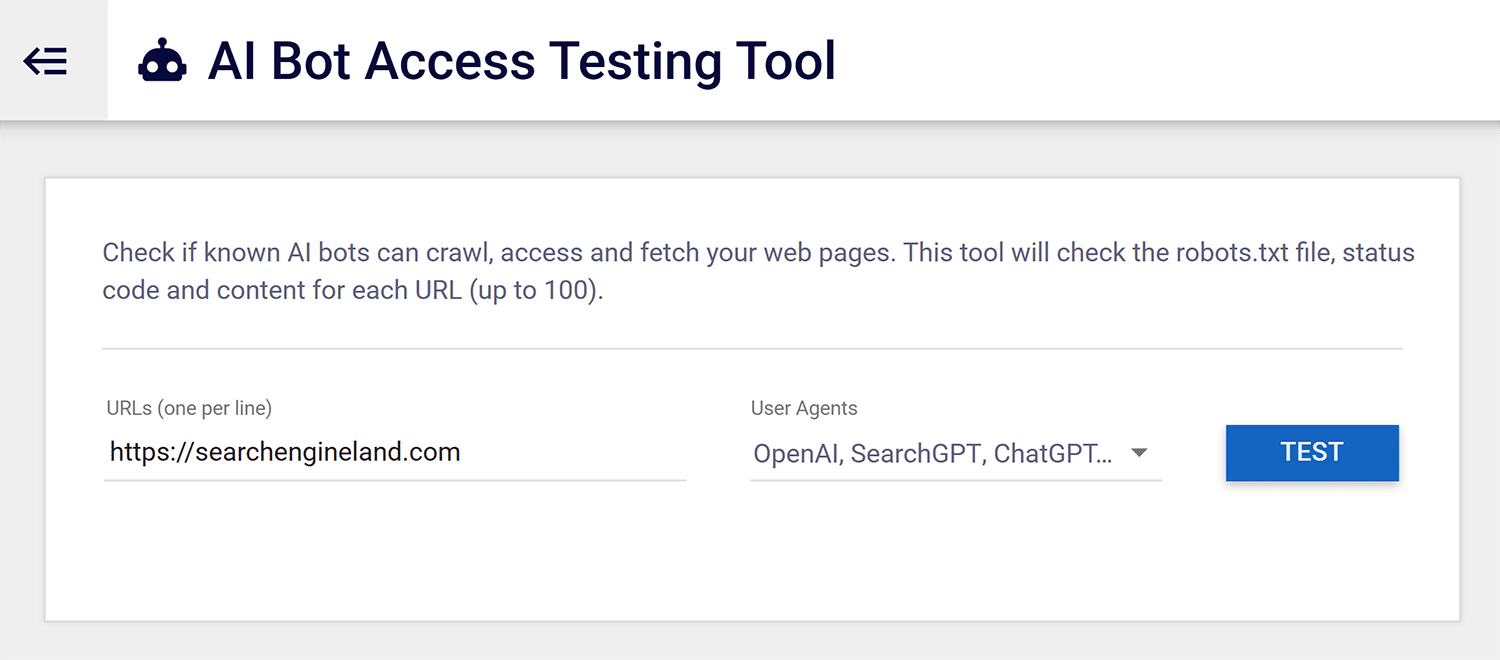
For website owners, this shift means rethinking how we control access and optimize data flow. The stakes are high: poor management can lead to over indexing, data leakage, or even being blacklisted by AI systems that prioritize quality over quantity. The good news? Tools like structured data, robots.txt, and server logs give you unprecedented control over this process.
Tools to Regulate and Control AI Crawler Access
Traditional methods like robots.txt are still relevant, but they're no longer sufficient for managing AI crawlers. These systems often bypass standard crawl rules, so you need more granular control. Here are three key tools to consider:
1. Structured Data Markup
Structured data, like JSON LD or microdata, provides AI crawlers with explicit instructions about your content. By marking up elements like articles, products, or events, you help crawlers understand context and prioritize relevant data. For example, a product page with structured data might signal to an AI crawler that it should index the price, availability, and reviews rather than just the raw text.
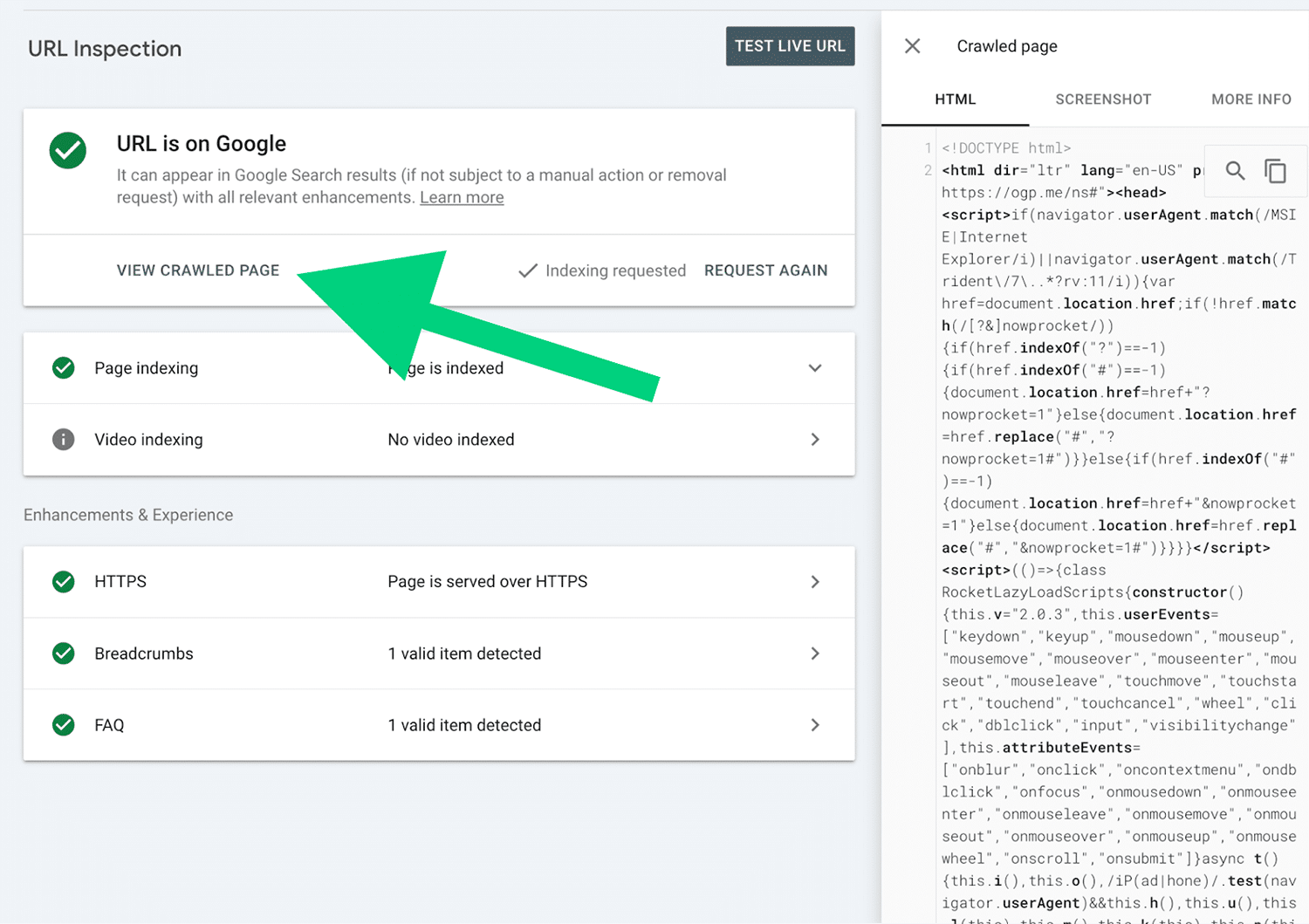
Structured data also enables richer search results. When crawlers can parse your content more accurately, they're more likely to surface your site in high traffic queries. This is especially valuable for e-commerce sites or content platforms that rely on visibility for traffic and conversions.
2. AI Specific Access Control Files
Some AI crawlers use specialized access control files like ai.txt or bot.txt to determine which parts of your site they can access. These files function similarly to robots.txt but are tailored for AI systems that may not follow standard protocols. For example, you might use ai.txt to block access to sensitive data or limit crawling to specific directories.
It's important to note that not all AI crawlers support these files, so you should still maintain a standard robots.txt file. However, using AI specific controls can help you manage access more precisely, especially if you're dealing with crawlers that prioritize speed or data extraction over compliance.
3. Server Side Crawl Rate Limiting
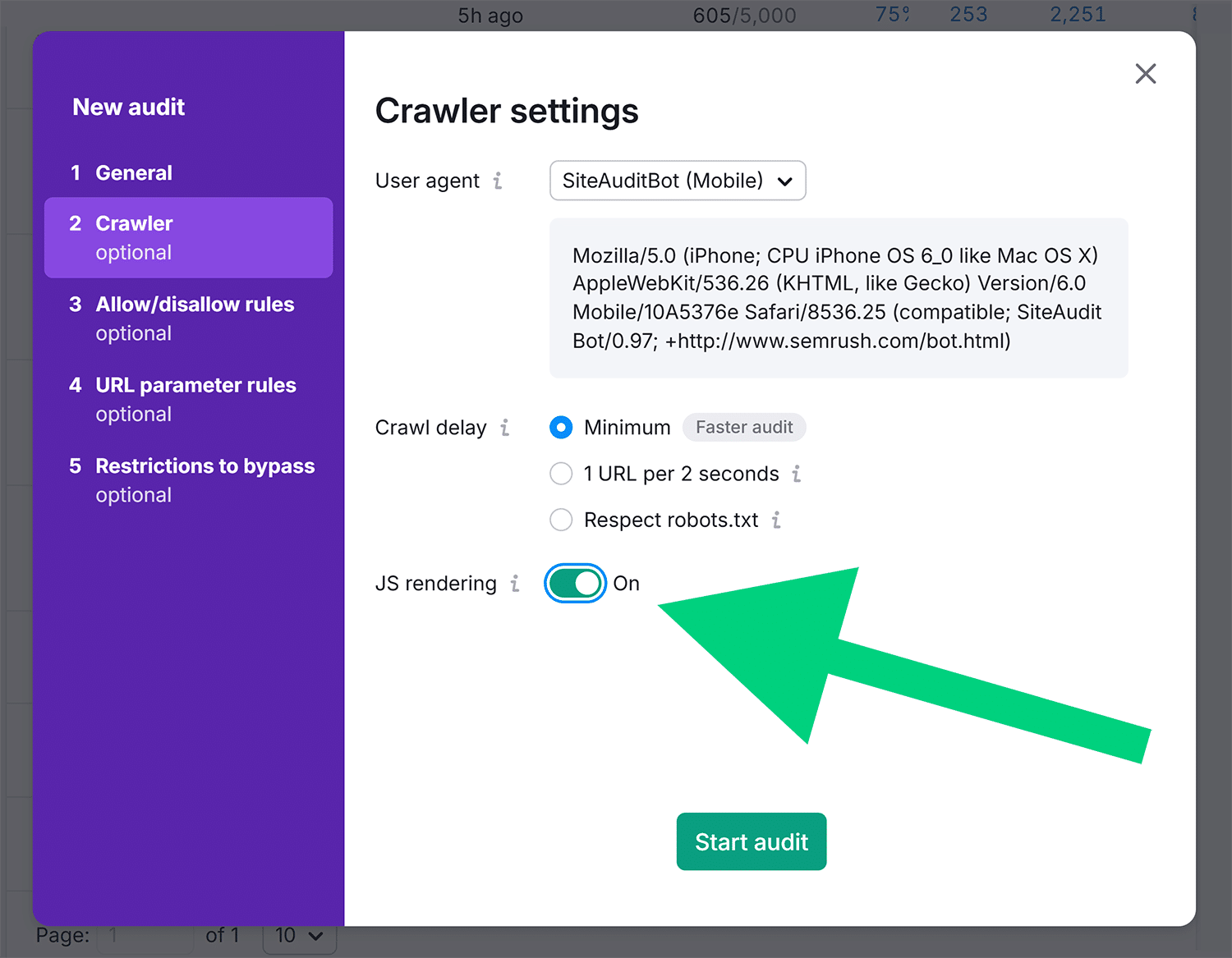
AI crawlers often operate at scale, which can strain your server resources. To prevent over indexing, implement server side crawl rate limiting using tools like robots.txt directives, X-Robots Tag headers, or middleware that throttles requests. For example, you might set a limit of 100 requests per minute for AI crawlers while allowing standard search engines to crawl freely.
Rate limiting also helps protect your site from malicious crawlers that might scrape your content without permission. By setting clear boundaries, you ensure that your resources are used efficiently while maintaining control over who accesses your data.
Optimizing Data Flow for AI Crawlers
AI crawlers are not just passive consumers of your content, they're active participants in the data ecosystem. To optimize their performance, you need to structure your site in a way that makes it easy for them to find and process information. Here are three strategies to consider:
1. Prioritize Semantic Markup
AI crawlers rely on semantic understanding to interpret your content. Use schema.org markup to define the type of content on each page, such as Article, Product, or Organization. This helps crawlers identify the most relevant information and improves the chances of your content being indexed correctly.
For example, a blog post with Article markup might be prioritized for queries like "latest news" or "how to guides," while a product page with Product markup could be surfaced for searches related to pricing or availability. Semantic markup ensures that your content is not just seen, but understood.
2. Use Internal Linking to Guide Crawlers
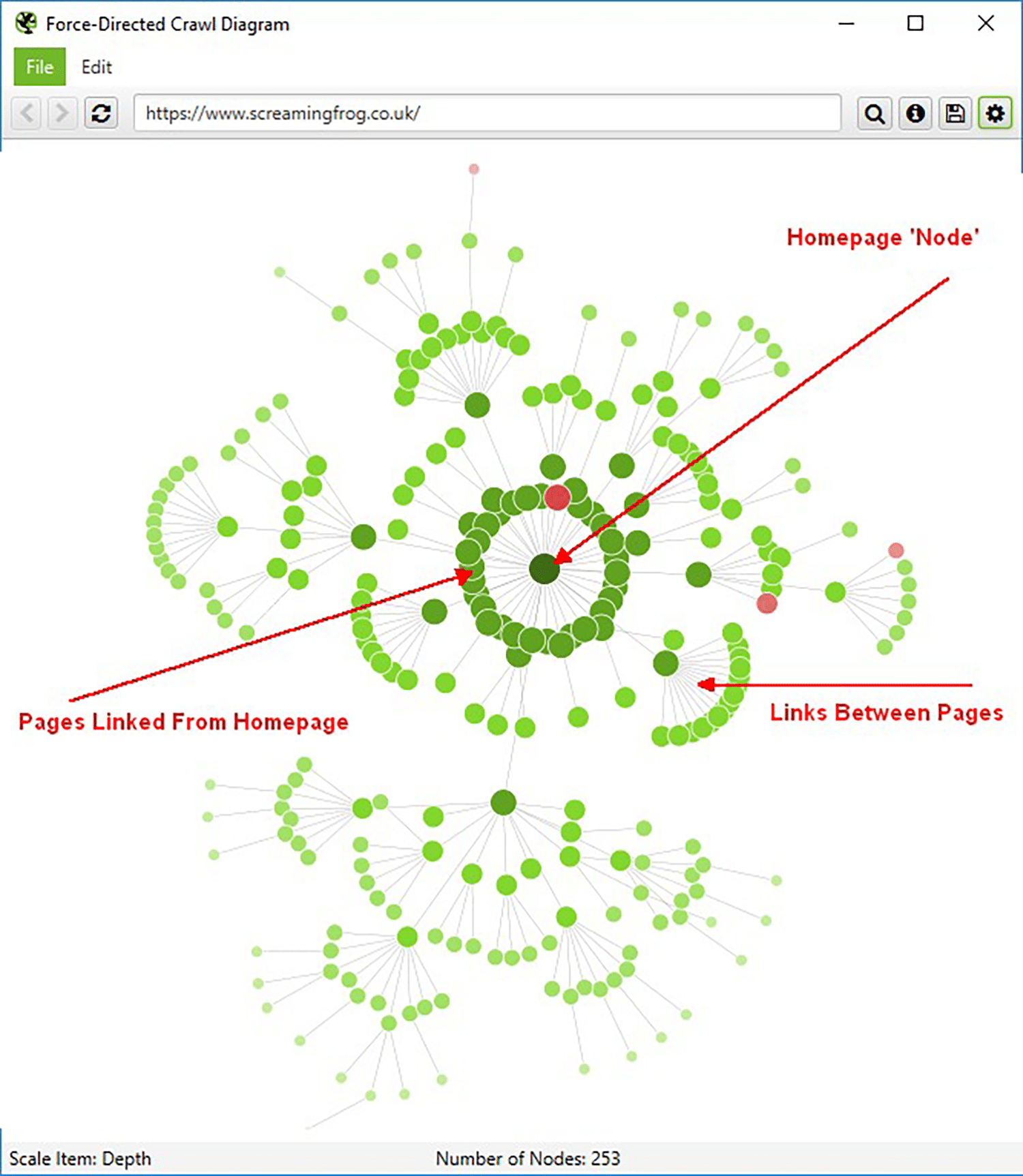
Internal linking is a powerful way to guide AI crawlers toward your most important content. By creating a clear hierarchy of links, you help crawlers discover and index your pages more efficiently. For example, linking from your homepage to key category pages, and then from those to individual product pages, creates a logical path for crawlers to follow.
use rel=canonical tags to resolve duplicate content issues. This ensures that crawlers prioritize the correct version of your content and avoid indexing variations that could dilute your SEO efforts.
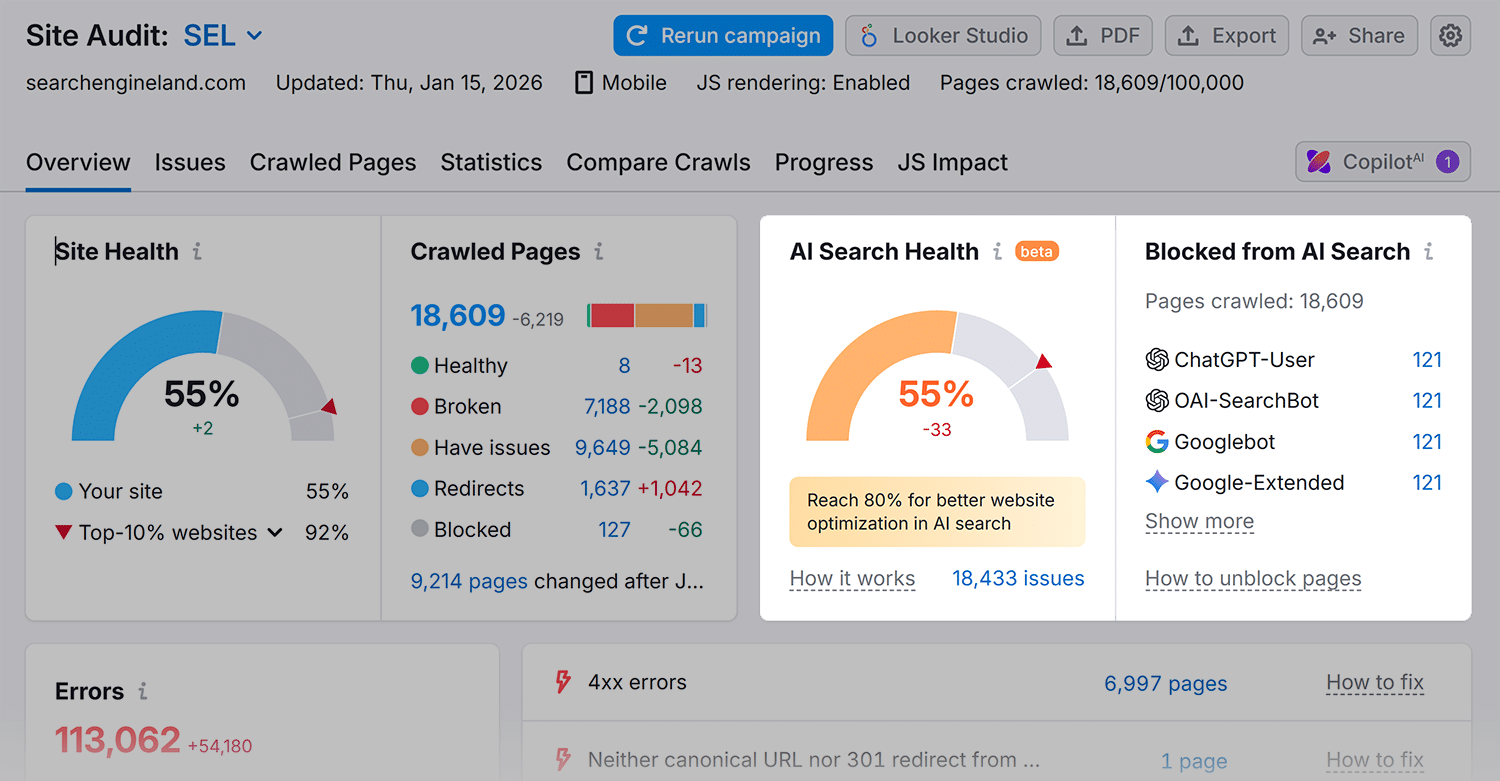
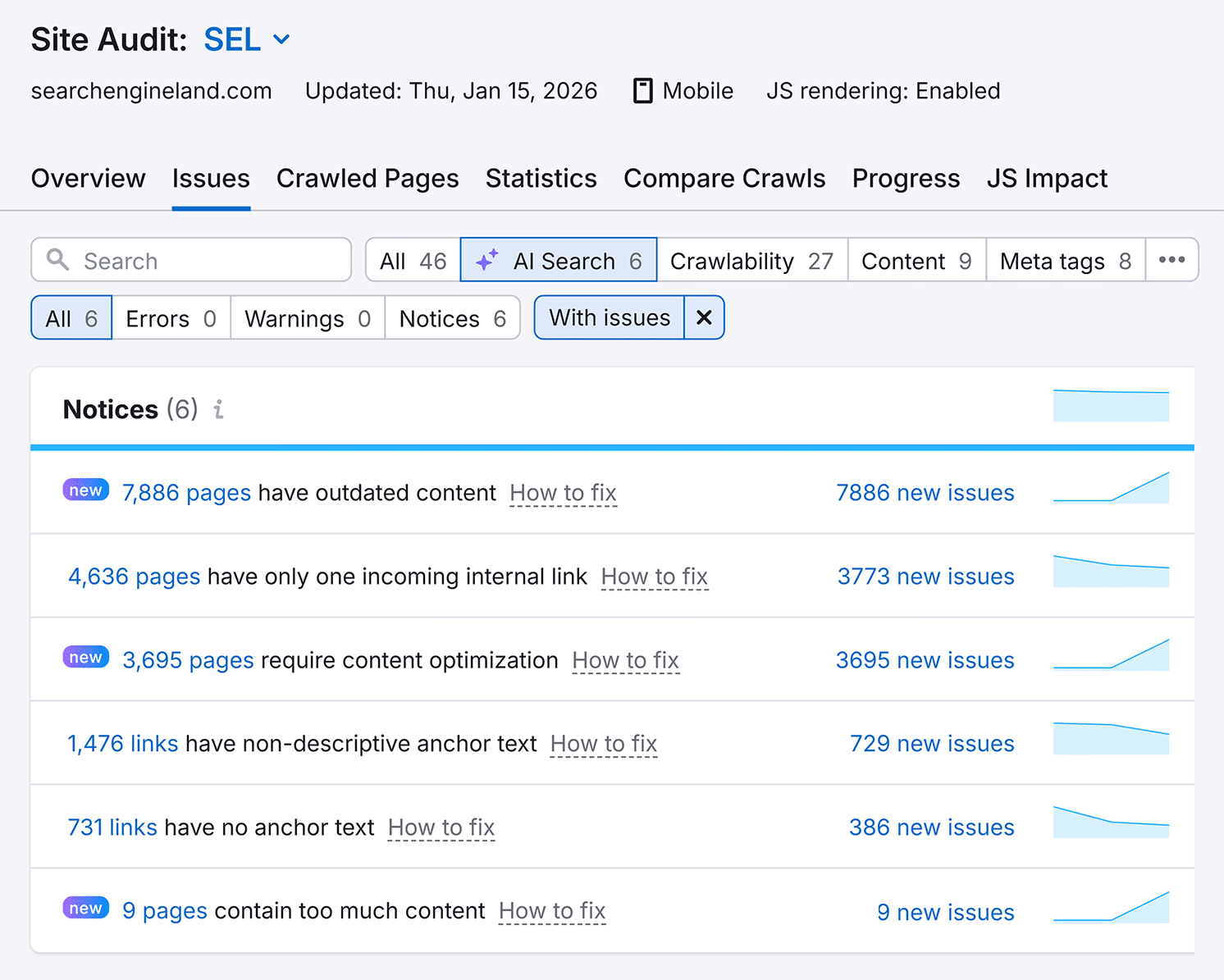
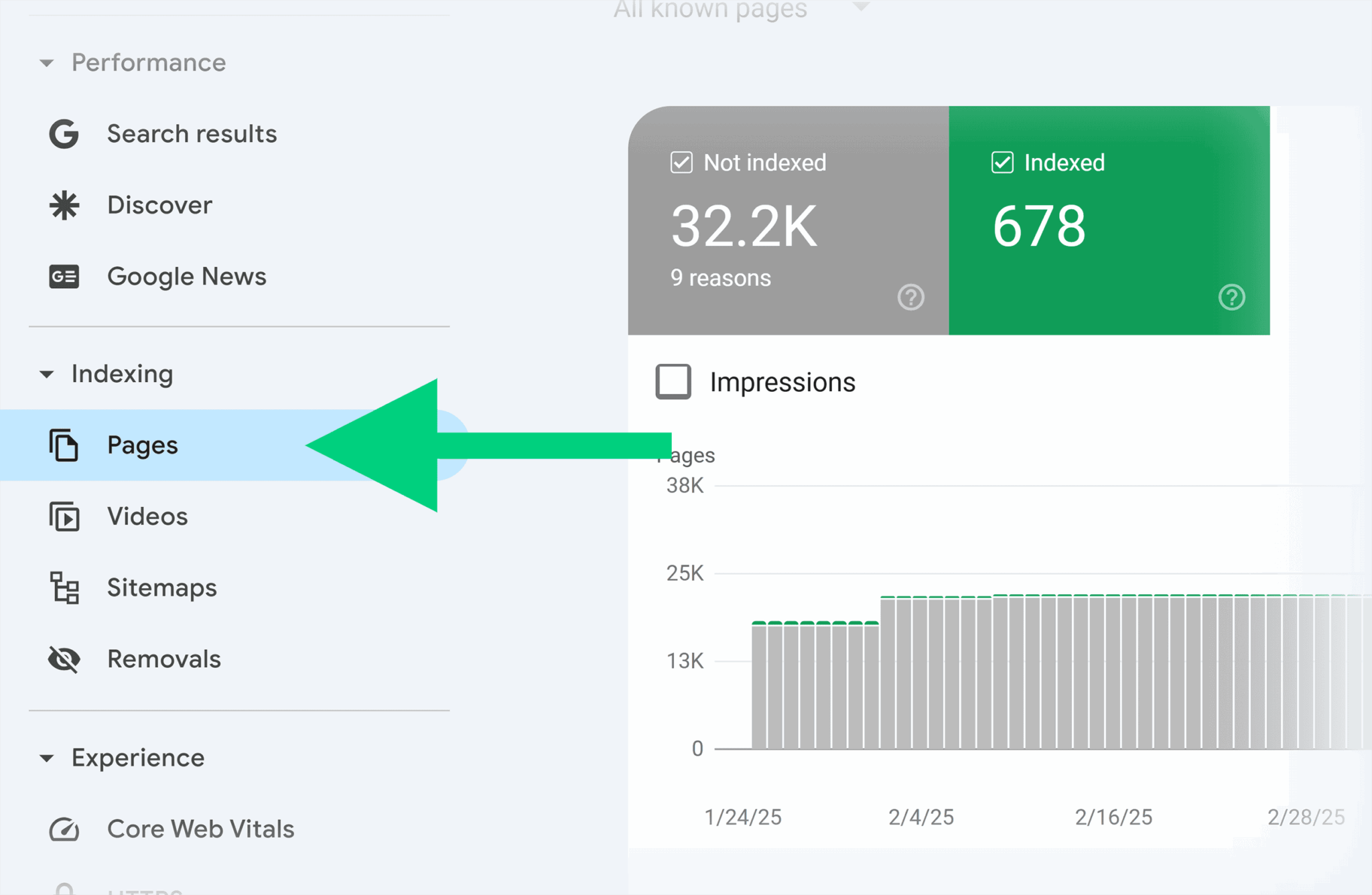
3. Monitor and Adjust Crawl Behavior AI crawlers are dynamic, so their behavior can change over time. Use tools like Google Search Console or third party crawlers to monitor how your site is being indexed. Look for patterns in crawl frequency, error rates, and content prioritization. If you notice a crawler focusing on low value pages, adjust your markup or internal linking to redirect their attention to more important content. Regular audits of your site's crawlability are also essential. As your content evolves, so should your strategies for managing AI crawlers. By staying proactive, you can ensure that your site remains optimized for both human and machine users. Future Proofing Your Site for AI Crawlers The rise of AI crawlers is part of a broader shift toward intelligent data systems. To future proof your site, consider these long term strategies: 1. Embrace Machine Readable Formats
As AI systems become more sophisticated, they'll require more structured data to function effectively. Move beyond basic HTML and adopt machine readable formats like JSON LD, RDFa, or microdata. These formats allow crawlers to extract and process information more efficiently, reducing the need for manual interpretation.
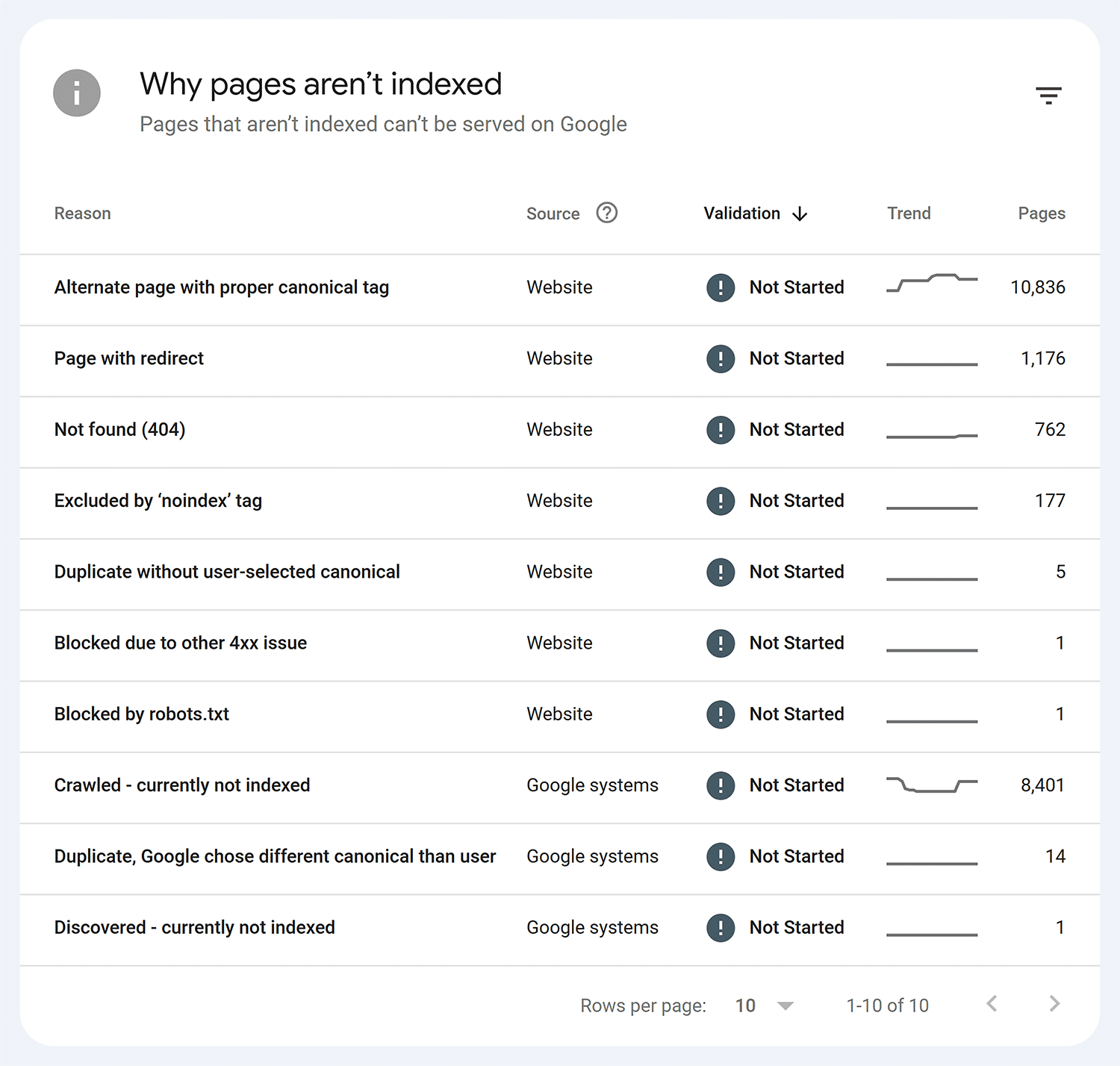
For example, a JSON LD markup for a product might include fields like name, price, and availability, making it easier for crawlers to identify and index the most relevant details. This level of specificity can improve your site's visibility in both search results and AI driven data platforms.
2. Implement Pay Per Crawl Models
Some AI crawlers are beginning to adopt pay per crawl models, where users pay for access to specific datasets or content. If your site contains valuable data, consider implementing a monetization strategy that allows controlled access to your content. This could involve creating subscription models, gated content areas, or API based access for crawlers that meet certain criteria.
Pay per crawl models can also help you manage the volume of traffic your site receives. By setting clear pricing and access rules, you can ensure that your resources are used responsibly while still benefiting from the exposure that AI crawlers provide.
3. Stay Ahead of Emerging Standards
The field of AI crawling is evolving rapidly, with new tools, protocols, and standards emerging regularly. Stay informed by following industry blogs, participating in forums, and experimenting with new tools. For example, some AI crawlers now support advanced features like natural language processing or real time data updates, which could change how you manage your site's accessibility.
By staying ahead of these trends, you can position your site as a leader in the AI driven data ecosystem. This not only improves your visibility but also ensures that your strategies remain relevant as technology continues to advance.
Conclusion: Balancing Control and Collaboration
Managing AI crawlers requires a balance between control and collaboration. While you need to protect your site from over indexing and misuse, you also want to ensure that your content is accessible to the systems that can help you grow. By using structured data, access control tools, and strategic optimization, you can create a website that thrives in the age of intelligent crawling.
As AI crawlers become more integrated into the digital landscape, the way we manage our online presence will continue to evolve. The key is to stay adaptable, informed, and proactive. Whether you're optimizing for search engines, data platforms, or emerging AI systems, the principles of structured data and controlled access will remain central to your success.
For more on optimizing your site for AI crawlers, explore our guides on structured data implementation and AI crawler best practices.
Practical next steps
The useful part is not only the idea itself, but the operating habit behind it. Use it as a checklist for decisions: what deserves attention now, what should be monitored, what needs a stronger evidence base, and what can wait until the system has more scale.
Comments
Comments are published automatically. Links are not allowed inside comments.