The Follow up Query: Rethinking SEO for Conversational Search
/ 6 min read

Summary
Traditional SEO strategy has focused primarily on the query that brings someone to a result. But what happens after the first. The practical question is what this changes for SEO, content quality, and AI search visibility.
Today, the most revealing search query may be the follow up. The question people ask after they learn, compare, or reconsider often reveals what they actually need. A useful companion note is We Earned 1, because it looks at a nearby part of the same system.
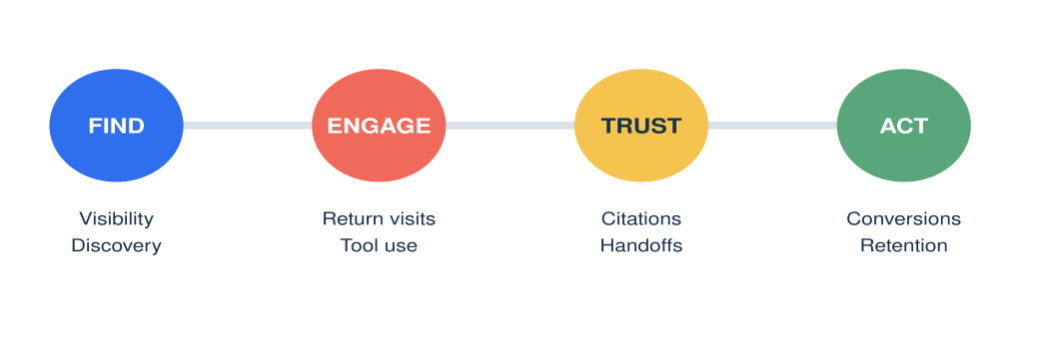
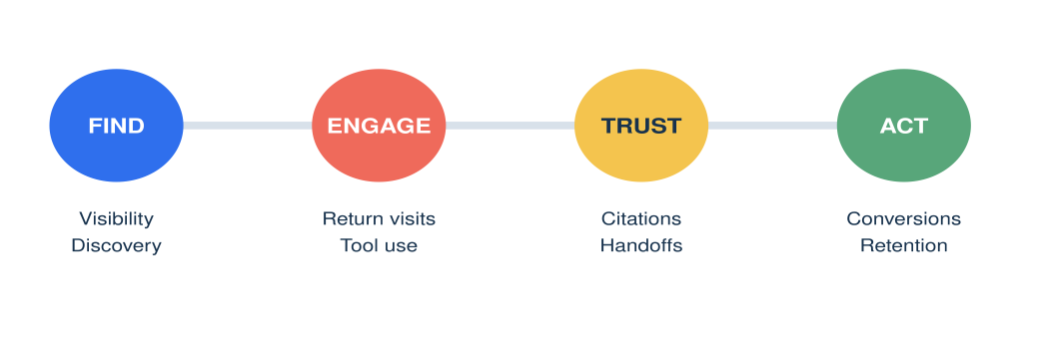
For brands, that next question represents a valuable opportunity to earn visibility, secure trust, and support a meaningful action. The objective isn't to predict every possible prompt.
The first query doesn't tell the whole story
Traditional SEO strategy has focused primarily on the query that brings someone to a result. But what happens after the first answer is delivered? A user can now begin with a broad question, narrow the request, add a photo, ask for a. The practical read is that brand signals need to be consistent enough for both people and AI systems to form a stable view of the company, its expertise, and its trust signals.
The risk is usually hidden in the execution layer. A page can look fine to a human and still fail for an automated visitor if the form, call to action, rendering path, or confirmation step is not accessible enough for the agent to complete the task. This connects with 4 Layer AI Ops Playbook when the same signal needs a clearer operating decision.
What conversational search actually means
Conversational search allows people to ask natural questions, carry context from one request to the next, and refine their needs along the way. It can happen in a search engine, AI assistant, voice interface, on site chatbot, shopping. Local visibility depends on whether the details across pages, profiles, categories, reviews, photos, and service descriptions reinforce the same answer for a specific location based query.
The operational question is whether the public business data is complete enough to support the query. Hours, categories, services, reviews, photos, and page content need to reinforce each other so Google can understand the business in a specific situation, not only as a generic listing.
How search became conversational
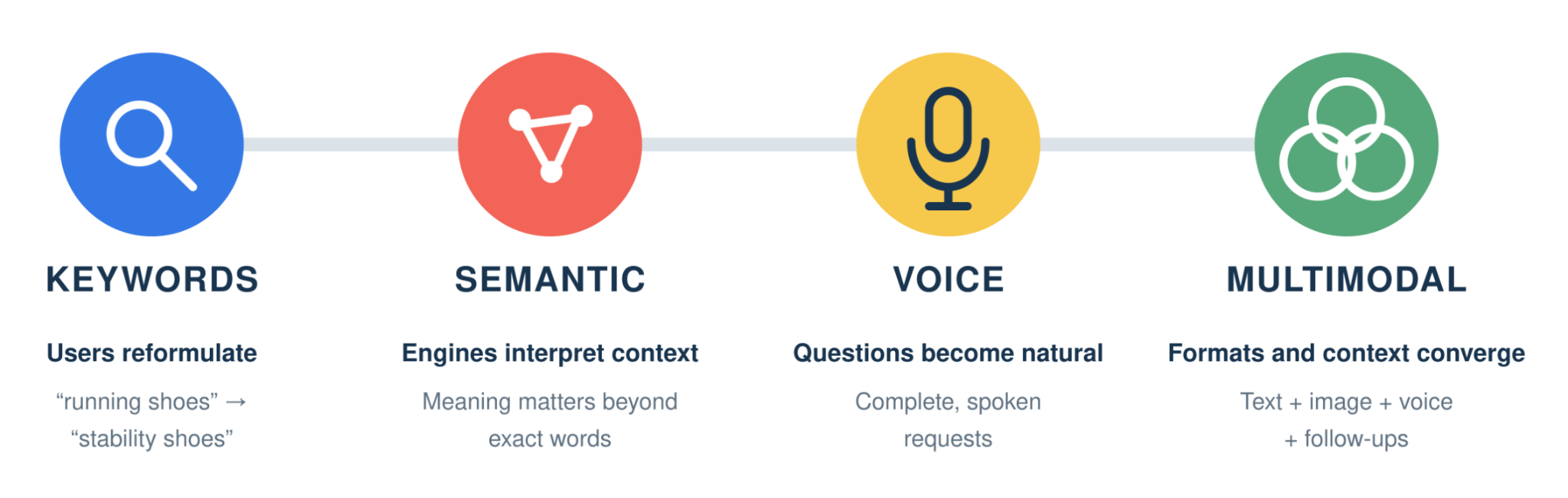
Conversational search didn't begin with ChatGPT or other AI platforms. Its building blocks developed over decades alongside changing user behavior. The search implication is whether the section improves the evidence around the page, not simply whether it adds more wording. Clear entities, crawlable structure, internal links, and useful context are what make the topic easier to evaluate.
Keywords and reformulation
Early web search encouraged short noun phrases that were often stripped of natural grammar. If the results missed the central need, users manually reformulated the search: "running shoes," then "running shoes flat feet," then "best. The search implication is whether the section improves the evidence around the page, not simply whether it adds more wording. Clear entities, crawlable structure, internal links, and useful context are what make the topic easier to evaluate.
Semantic and contextual understanding
Search engines gradually improved at understanding entities, relationships, intent, and natural phrasing. Google's 2019 BERT announcement emphasized the context and relationships among words in a query. Small terms such as "to," "for," and. The search implication is whether the section improves the evidence around the page, not simply whether it adds more wording. Clear entities, crawlable structure, internal links, and useful context are what make the topic easier to evaluate.
The useful check is whether this improves the system behind search performance, not only the words on the page. Internal links, crawlable content, clear entities, current evidence, and a sensible page structure all help the recommendation become easier to trust.
Voice and answer first interfaces
Voice assistants normalized complete questions and concise spoken answers. They also introduced local, immediate, and hands free situations. Related searches could have been "Where is the nearest pharmacy open now?" or "How long do I bake. Local visibility depends on whether the details across pages, profiles, categories, reviews, photos, and service descriptions reinforce the same answer for a specific location based query.
Complex and multimodal understanding
Google's 2021 MUM announcement framed complex tasks as journeys that could require multiple searches. In 2022, Lens multisearch enabled people to combine an image with text such as a color, attribute, or question. The direction was already. The search implication is whether the section improves the evidence around the page, not simply whether it adds more wording. Clear entities, crawlable structure, internal links, and useful context are what make the topic easier to evaluate.
What conversational search looks like now
Generative AI can interpret natural language, retrieve up to date information, combine sources, and retain context within a single interface. That dynamic changes both how people express their needs and how platforms search on their behalf. The search implication is whether the section improves the evidence around the page, not simply whether it adds more wording. Clear entities, crawlable structure, internal links, and useful context are what make the topic easier to evaluate.
One question can trigger many searches
Google says AI Overviews and AI Mode may use query fan out, running multiple related searches across subtopics and data sources. For example, a lawn care question may prompt research into treatment, prevention, safety, cost, climate, and. The search implication is whether the section improves the evidence around the page, not simply whether it adds more wording. Clear entities, crawlable structure, internal links, and useful context are what make the topic easier to evaluate.
Follow ups turn results into journeys
Google has made the shift visible by connecting follow up questions in AI Overviews to a continuing conversation in AI Mode. ChatGPT search similarly blends conversational responses with timely web information and source links. On a. Local visibility depends on whether the details across pages, profiles, categories, reviews, photos, and service descriptions reinforce the same answer for a specific location based query.
What the visibility signal actually changes
What the visibility signal actually changes: the Follow up Query: Rethinking SEO for Conversational Search: the Operator's View should be treated as a visibility signal, not a standalone headline. Introduction Today, the most revealing search query may be the follow up. The question people ask after they learn, compare, or reconsider often reveals what they actually need. For brands, that next question represents a valuable opportunity to earn. The same pattern also shows up in Individual Is the Only Strategy Left, where the practical question is how the signal becomes visible.
What the visibility signal actually changes: the practical question is whether the page, brand evidence, and surrounding content make the answer easier to trust. If that support is weak, search systems can still understand the topic but fail to connect it confidently to the brand.
What the visibility signal actually changes: that is why the response should begin with an audit of the evidence already on the site before creating a new asset. The fastest improvement is often a clearer page, a better internal link, or a stronger explanation of why the brand belongs in the answer.
Where the evidence needs to be tested
Where the evidence needs to be tested: a single study or ranking observation should not become a strategy by itself. It should become a diagnostic prompt: which source is being trusted, which query pattern is affected, and which part of the site would make that trust easier to earn?
Where the evidence needs to be tested: that keeps the response grounded. The goal is to improve the evidence chain around the topic rather than publish another summary that repeats what every other page already says.
Where the evidence needs to be tested: the important distinction is between a useful signal and a fashionable talking point. A useful signal changes the brief, the page structure, the linking plan, or the measurement view.
Comments
Comments are reviewed before they are published. Links are not allowed inside comments.