The Real Reason SEO Isn’t Enough Anymore, and Why That’s a Good Thing
/ 8 min read

Summary
Last click attribution made search look like the hero, and plenty of businesses were built on traffic that was only ever. The practical question is what this changes for SEO, content quality, and AI search visibility.
For a long time, SEO was the undisputed heavyweight champion of digital growth. If you could crack the code of the algorithm, you could essentially print money. It was the primary channel executives leaned on because the returns were predictable and the scale was massive. But the era of getting high volume traffic for very little effort is over.
The way people find information has shifted. The journey from discovering a problem to buying a solution is no longer a straight line from a search query to a landing page. While Google remains the most powerful discovery engine in the world, especially when users are close to making a purchase, you can no longer build a sustainable brand by relying on search alone. For small to medium businesses, the barrier to entry has risen significantly, and that is actually a positive development for the web.
The Shift Toward Helpful Content
The Helpful Content Update (HCU) marked a turning point in how Google views the web. It wasn't just a tweak to the rankings; it was a systemic purge of SEO first websites. These are sites built by people who are technically brilliant at SEO but have no presence or reputation outside of the search results. When the HCU hit, these sites were decimated because they were created for search engines, not for humans. This connects with We Earned 1 when the same signal needs a clearer operating decision. The same pattern also shows up in 4 Layer AI Ops Playbook, where the practical question is how the signal becomes visible.
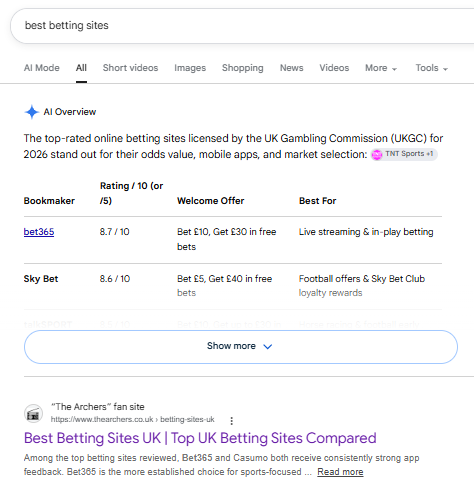
This shift suggests that Google is moving toward a "loyalty ecosystem." The goal is to ensure that the sites ranking at the top are those with a verifiable profile beyond the search ecosystem. Over optimizing content is no longer a guarantee of success; in many cases, it has become a liability.
Expert Interpretation: The tradeoff here is between technical precision and genuine authority. For years, we believed that if we followed the "rules" of SEO, we would win. Now, the rule is that you must be valuable regardless of the algorithm. The decision you need to make is whether you are building a business that happens to use SEO, or a business that exists only because of SEO. The latter is now a high risk strategy.
The Case of the Niche Site Collapse
To see the real world impact of this, look at sites like HouseFresh, an independent air quality review site. Despite following the very guidelines Google promotes, providing first hand, expert, and original content, they saw their search traffic plummet by over 90% between 2023 and 2024. In their place, Google began elevating Reddit threads and old Quora posts.
This pattern wasn't isolated. Other niche sites, such as Retro Dodo, saw organic traffic drops of 85%, while Reddit saw a surge of 190% shortly after entering a data licensing agreement with Google. While it might seem contradictory for Google to promote "spammed" forum threads over expert reviews, it reveals a preference for perceived human experience over polished, affiliate driven content.
Interestingly, large publishers remained far more resilient. Even those with less evident first hand expertise often maintained their rankings. This suggests that Google is placing a higher premium on established brand names than on the theoretical "E-E-A-T" (Experience, Expertise, Authoritativeness, and Trustworthiness) it asks of smaller creators.
Expert Interpretation: This highlights a brutal reality: trust is not a checkbox you tick by writing a long form guide. Trust is a signal derived from external validation. When Google favors Reddit or a massive publisher, it is using those platforms as a proxy for trust. If you are a small player, you cannot compete on "brand power" alone, so you must compete on "human connection" and diversified presence.
The Nuance of Site Reputation Abuse
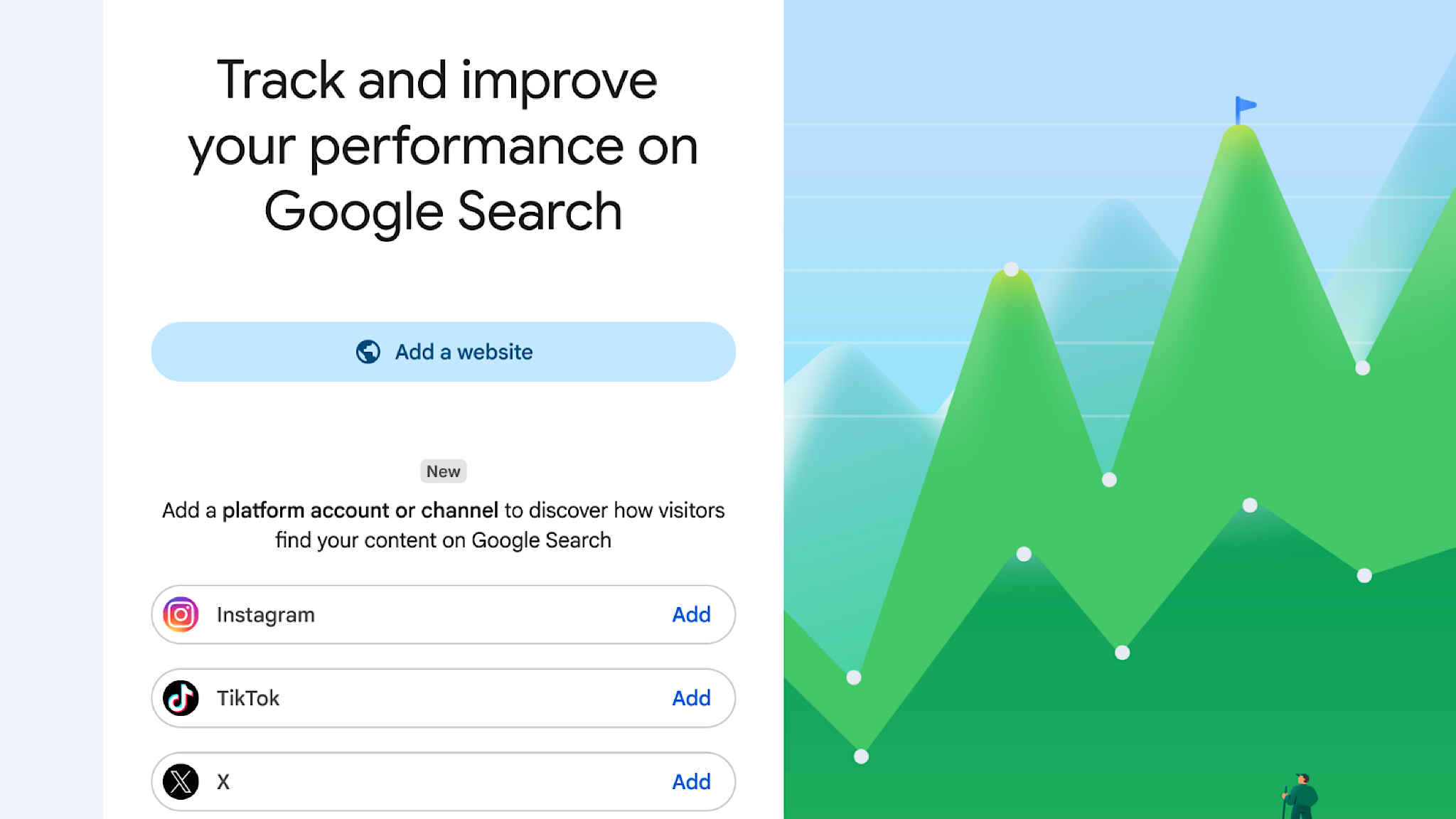
While the HCU was a broad, algorithmic hammer, the Site Reputation Abuse update was more like a scalpel. Instead of nuking entire sites, Google used manual actions to remove specific sections of large publisher sites, specifically those hosting voucher codes or betting content that didn't align with the rest of the site's purpose.
Some argue that this precision was a way for Google to protect its financial interests. By using a "velvet glove" approach with big brands, Google avoids alienating the major players who contribute most significantly to its advertising revenue. It creates a strange dichotomy where niche sites are hit by algorithms, while big brands are managed with manual precision.
Expert Interpretation: This reveals the inherent bias in the ecosystem. The "rules" are not applied equally to everyone. The takeaway is that the more you rely on a single platform's goodwill, the more vulnerable you are. The only way to mitigate this risk is to move your audience into "owned" channels where Google cannot intervene.
Redefining Your Value in a Post SEO World
If you are an SEO or a marketer, this shift changes your value proposition. You can no longer be "the person who gets us to page one." Instead, you must be the person who understands how to drive actual value and build an audience that seeks you out by name.
The Necessity of Trust
To succeed in search now, you need more than keywords. You need strong branded traffic and engagement metrics that prove people are looking for you specifically. Social proof, corroborated across different platforms, is the final form of E-E-A-T. If people are sharing your content in their own circles, Google sees that as a signal that you are a trusted entity.
The Opportunity in Discovery
Despite the volatility, Google is still the world's largest discovery engine. Roughly 86% of clicks go to sites the user didn't specifically name. This means there is still a massive opportunity to reach new people, but you have to be the "best answer" in a way that feels human, not optimized.
The Problem with Last Click Attribution
We have to stop relying on last click attribution. In that model, SEO always looks like the hero because it's often the final step before a conversion. But this ignores the top and middle of the funnel. You need to measure incremental uplift, looking at how a specific campaign across social or email increases overall activity and conversions over time.
Adapting to Multimodal Audiences
Different generations consume information differently. Younger audiences (18 to 24) are far more likely to prefer video or audio over reading. They don't start their journey at a news site; they start on social media. In fact, over half of searches by this demographic end without a click. If you only produce text, you are ignoring a huge portion of the market.
The Shift from Brands to People
People generally don't trust "brands"; they trust other people. Google is aware of this, which is why we see more creator led content and social profiles appearing in Search and Discover. The opportunity for a brand is to partner with creators or develop internal experts who can act as the human face of the company. A useful companion note is It Comes from Other People, because it looks at a nearby part of the same system.
Expert Interpretation: The biggest mistake marketers make is trying to "hack" these signals. You cannot fake a personal brand or a loyal audience. The tradeoff is time: building a real audience takes much longer than building a keyword optimized site, but the longevity is exponentially higher. You must decide if you want a temporary spike in traffic or a permanent asset.
Google's Strategy for Loyalty
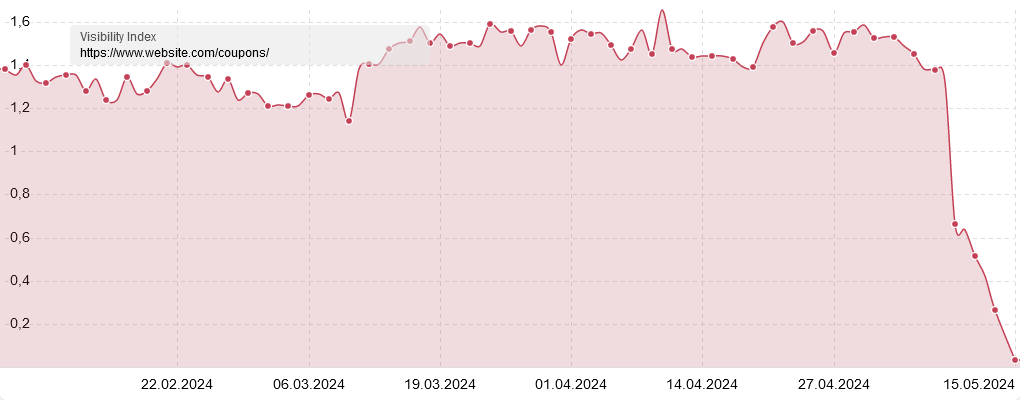
Google isn't surprised by these changes because they have the data. The integration of YouTube Shorts, X, and Instagram into the Discover feed is a deliberate move to transform Google from a transactional tool into a loyalty ecosystem. They want to make it easier for users to find, follow, and engage with creators directly.
They are moving away from rewarding transactional experiences, sites that offer a "sneak peek" in exchange for a click. If your business model is based on borrowed traffic and high volume, low value content (like simple fact sheets or schedules), your time is running out. This is a necessary evolution to improve the overall quality of the web.
Expert Interpretation: Google is essentially building its own social network by proxy. By rewarding "follows" and "subscriptions," they are shifting the power from the publisher to the creator. To survive this, you must stop thinking like a publisher and start thinking like a creator.
Practical Shifts for Your Strategy
If you want to move beyond basic SEO, you need to change your primary KPIs. Stop obsessing over raw traffic and start measuring loyalty and engagement. Reverse engineer the behaviors of a loyal subscriber and target those instead.
Be present where your audience is actually influenced. This doesn't mean being everywhere, but being in the right places with high quality, high value content. Avoid the "snake oil" approach; real brilliance takes time, but it provides the only real defense against algorithm updates.
Focus on building habits. Instead of trying to get a "session," try to become a part of your audience's daily or weekly routine. This requires understanding their day to day life and finding a way to add genuine value to it.
Expert Interpretation: The hardest part of this transition is the psychological shift from "controlling the search result" to "earning the audience." You have to accept that you cannot force your way into Google's results anymore; you have to be pulled in by the demand created elsewhere.
Remember HouseFresh?
HouseFresh was, or rather is, an independent air quality review site. According to their own guidelines: First hand, expert, original: the content Google's guidelines ask for. By their own admission, the HCU took away >90% of their traffic. For search teams, the important part is not the headline movement by itself. It is whether the shift changes which communities, forums, video surfaces, or publisher pages now satisfy the query better than the old ranking pattern.
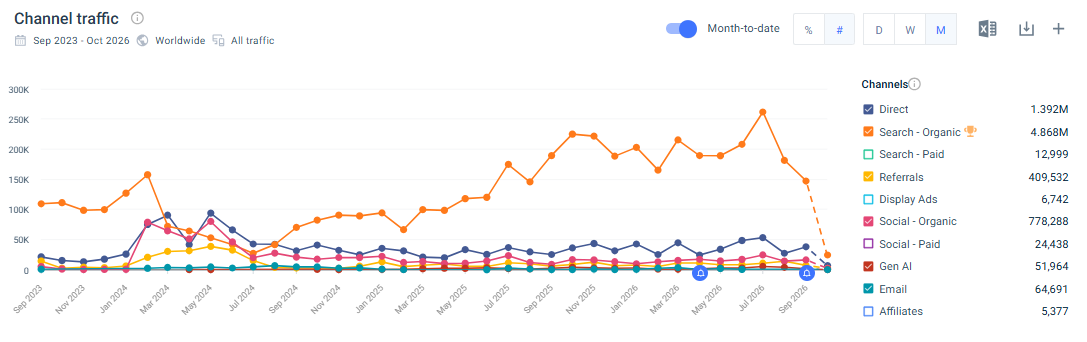
The useful check is whether this improves the system behind search performance, not only the words on the page. Internal links, crawlable content, clear entities, current evidence, and a sensible page structure all help the recommendation become easier to trust.
Comments
Comments are reviewed before they are published. Links are not allowed inside comments.