The Real Reason the Traditional Link Building Model No Longer Works for AI Search
/ 6 min read

Summary
Yes. Links still matter because, without a certain baseline level of authority, competitive SEO thresholds become hard to clear. The practical question is what this changes for SEO, content quality, and AI search visibility.
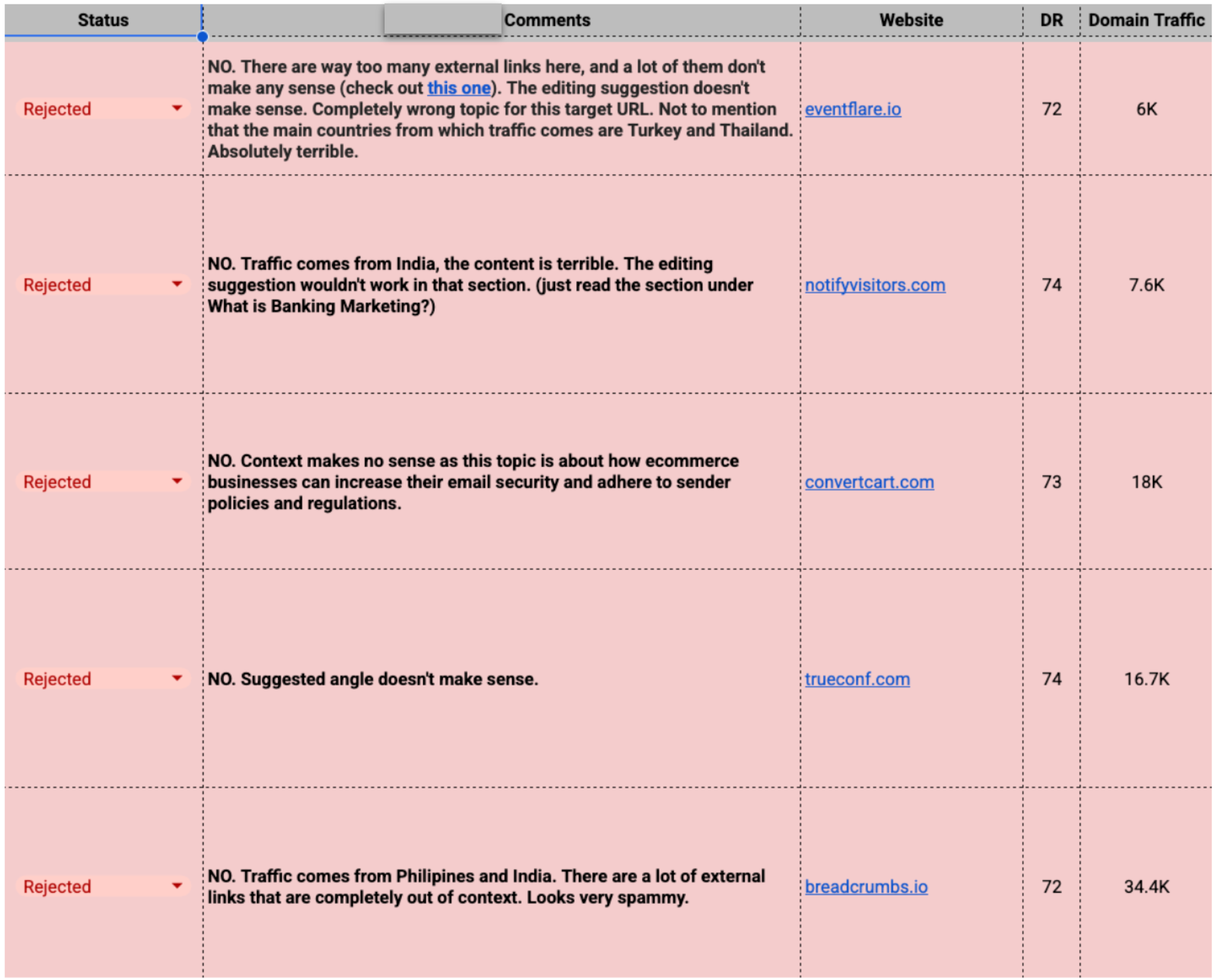
Traditional link building agencies had an incredible run. The pitch was easy to sell: "We build you links from high DR sites with commercial anchor text, your rankings improve, and you get a spreadsheet every month that tallies up your backlink counts." SEO teams would report to their leadership: "We built X number of backlinks this month," broken down by domain authority.
The pricing model was simple: The higher the domain authority, the more expensive the backlink. That supply chain link building model worked well for more than a decade.
Do backlinks still matter for SEO?
Yes. Links still matter because, without a certain baseline level of authority, competitive SEO thresholds become hard to clear. But the outdated package of 500 word guest articles, link inserts, and high volume link exchanges is becoming. Local visibility depends on whether the details across pages, profiles, categories, reviews, photos, and service descriptions reinforce the same answer for a specific location based query.
The operational question is whether the public business data is complete enough to support the query. Hours, categories, services, reviews, photos, and page content need to reinforce each other so Google can understand the business in a specific situation, not only as a generic listing.
What a $500 backlink really buys you
Most traditional link building vendors sell a unit. That unit is a link insert or a guest article, and the pricing is almost always tied to domain authority. Over the years, I've personally tested dozens of link building services and. The search implication is whether the section improves the evidence around the page, not simply whether it adds more wording. Clear entities, crawlable structure, internal links, and useful context are what make the topic easier to evaluate.
The useful check is whether this improves the system behind search performance, not only the words on the page. Internal links, crawlable content, clear entities, current evidence, and a sensible page structure all help the recommendation become easier to trust.
Link building vendors hide behind Domain Authority
This exposes the core problem with traditional link building: It focuses on the wrong incentive. The agency is paid to produce a spreadsheet row, not to build real authority. The client receives proof of activity, not impact. Link building. The practical read is that brand signals need to be consistent enough for both people and AI systems to form a stable view of the company, its expertise, and its trust signals. This connects with Paid Brand Mention Problem in GEO when the same signal needs a clearer operating decision.
AI search is harder to manipulate with one off backlinks
"In the old days you could just muscle your way to the top of Google with zero receipts that you are "top 3" at XYZ thing. If you had enough domain authority you could rank. AI is 100x more likely to force you to have receipts to back up. The practical read is that brand signals need to be consistent enough for both people and AI systems to form a stable view of the company, its expertise, and its trust signals.
AI models are looking for consensus, not random backlinks
AI answer engines analyze patterns of corroboration across the entire web. They don't just crawl your backlinks. They synthesize the consensus around your entity. If your brand is mentioned across credible, topically relevant sources, the. The practical read is that brand signals need to be consistent enough for both people and AI systems to form a stable view of the company, its expertise, and its trust signals.
The practical value is in connecting the idea to an observable signal. That means deciding what should be checked, what would prove the issue is real, and where the team should make the smallest useful improvement first.
Context is the new authority signal
In traditional SEO, a link was a form of digital vouching. In the AI world, the co occurrence of your brand name next to relevant industry terms, competitors, and specific use cases is the signal. AI systems map your brand's entity. The practical read is that brand signals need to be consistent enough for both people and AI systems to form a stable view of the company, its expertise, and its trust signals.
The risk is usually hidden in the execution layer. A page can look fine to a human and still fail for an automated visitor if the form, call to action, rendering path, or confirmation step is not accessible enough for the agent to complete the task.
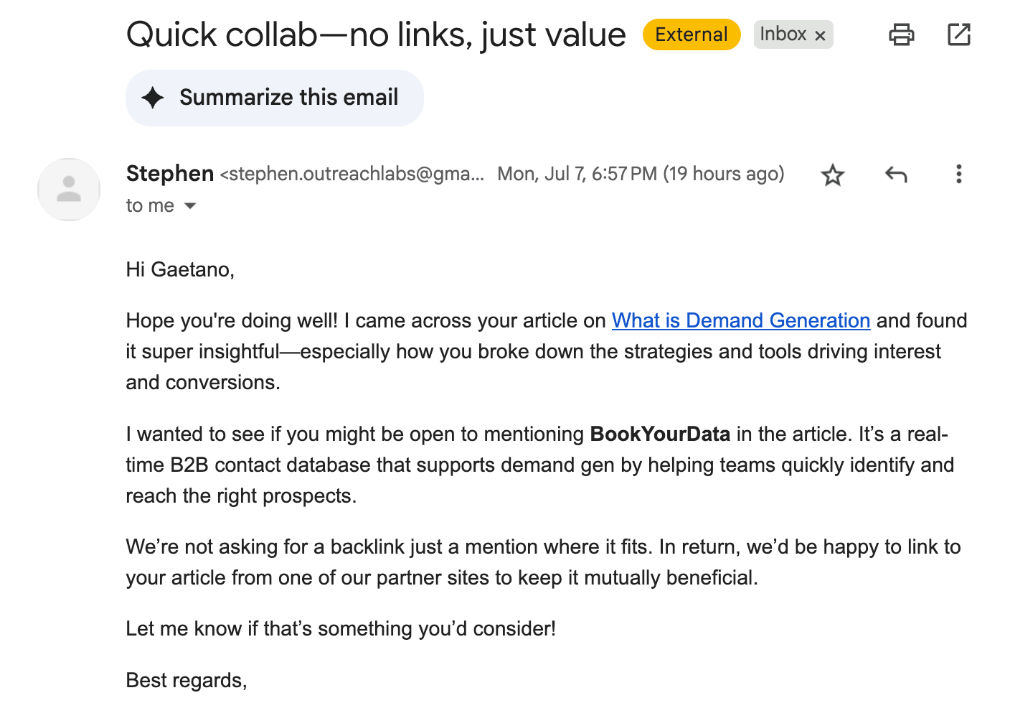
AI mention building is just link building 2.0
As the industry shifts toward AI search, link builders are scrambling to adapt. Instead of evolving their underlying model, many are simply rebranding it. Enter the GEO grift. Agencies that previously sold backlinks are now pitching "AI. For search teams, the important part is not the headline movement by itself. It is whether the shift changes which communities, forums, video surfaces, or publisher pages now satisfy the query better than the old ranking pattern.
What to do instead
GEO is a relevance engineering problem, not a tactical link building problem. AI systems are trying to determine exactly what you do, who you serve, and where you sit in the competitive landscape. If you don't intentionally shape that. The practical read is that brand signals need to be consistent enough for both people and AI systems to form a stable view of the company, its expertise, and its trust signals.
Drive customer reviews to influential third party sources
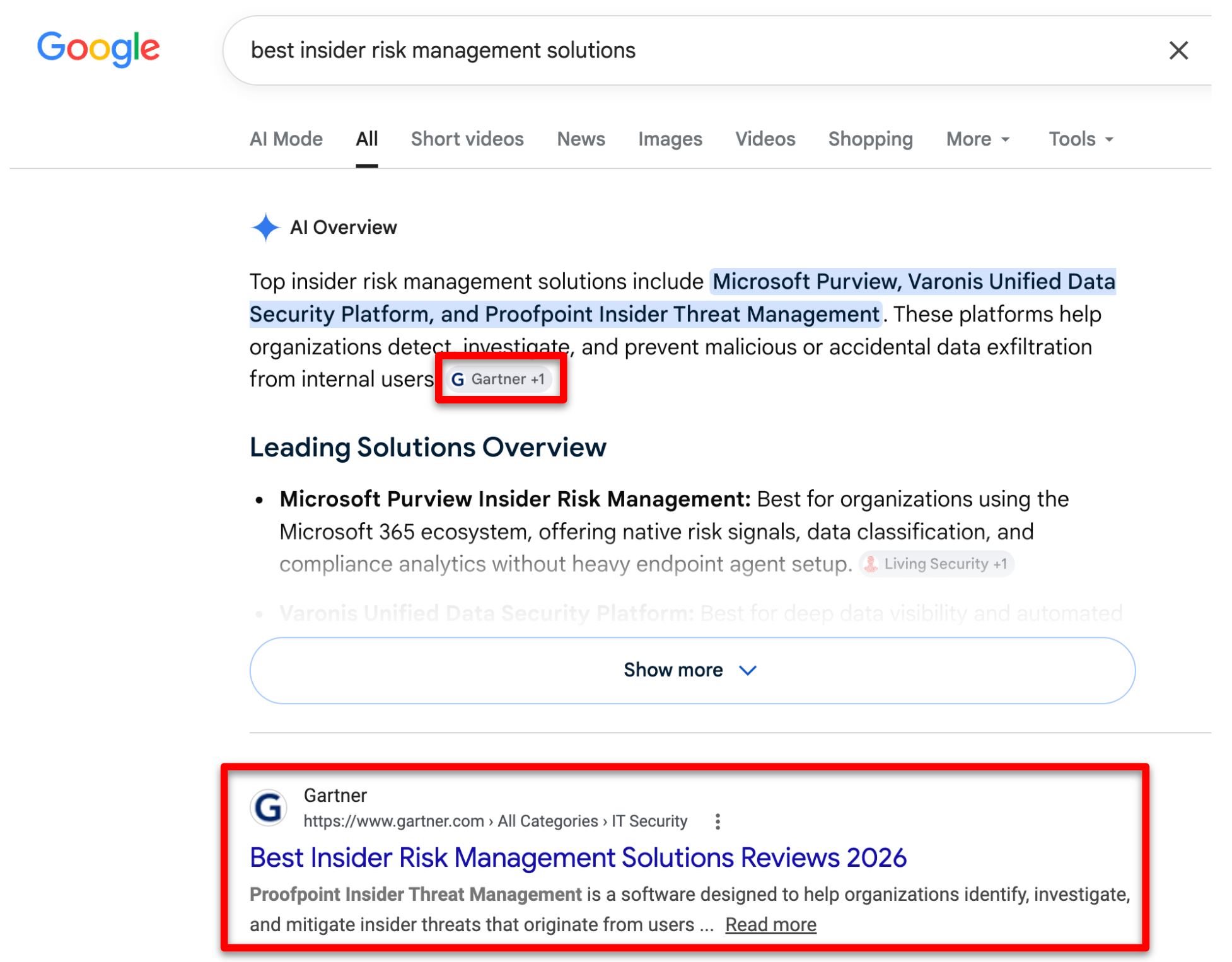
In this example for "best insider risk management solutions," it's clear that your brand must be represented on Gartner. If your brand profile isn't aligned to the correct Gartner category, and you aren't driving credible and authentic. The practical read is that brand signals need to be consistent enough for both people and AI systems to form a stable view of the company, its expertise, and its trust signals.
Publish owned BOFU listicles for narrative control
This has become a hot topic in SEO, but there's a way to do it right. John Henry Scherck says that if your brand belongs in a category, it makes sense to build your own bottom of funnel comparison content. But the goal isn't to. The practical read is that brand signals need to be consistent enough for both people and AI systems to form a stable view of the company, its expertise, and its trust signals.
What the visibility signal actually changes
What the visibility signal actually changes: the Real Reason the Traditional Link Building Model No Longer Works for AI Search should be treated as a visibility signal, not a standalone headline. Introduction Traditional link building agencies had an incredible run. The pitch was easy to sell: "We build you links from high DR sites with commercial anchor text, your rankings improve, and you get a spreadsheet every month that tallies up your backlink. A useful companion note is AI Search Is Reshaping Link Building Strategy, because it looks at a nearby part of the same system. The same pattern also shows up in AI Search Visibility, where the practical question is how the signal becomes visible.
What the visibility signal actually changes: the practical question is whether the page, brand evidence, and surrounding content make the answer easier to trust. If that support is weak, search systems can still understand the topic but fail to connect it confidently to the brand.
What the visibility signal actually changes: that is why the response should begin with an audit of the evidence already on the site before creating a new asset. The fastest improvement is often a clearer page, a better internal link, or a stronger explanation of why the brand belongs in the answer.
Comments
Comments are reviewed before they are published. Links are not allowed inside comments.