WordPress Random Redirects, Branded API Data & CDN Advice, SEO Pulse
/ 6 min read

Summary
WordPress version 7.2, which is scheduled for Dec. 8, contains a new feature called /random/, turned on by default, to send a. The practical question is what this changes for SEO, content quality, and AI search visibility.
Welcome to the week's Pulse: updates include a WordPress default that you will need to decide on, new data from Search Console via the API, and the question of which party determines whether Googlebot, AI agents or Google's own calls will be allowed through. WordPress 7.2 will introduce a /random/ redirect (turned on by default), and Google has added branded data to the Search Console API. This connects with Image Search Data in GSC when the same signal needs a clearer operating decision. A useful companion note is AI Detected Pages Rank Lower, because it looks at a nearby part of the same system.
Google also published the referrer values its traffic sends and shared ways in which a CDN move could lead to blocking Googlebot. Ask Maps began contacting local businesses, and United Airlines included its AI agent rules within its terms.
WordPress 7.2 Plans A /Random/ Redirect That's On
WordPress version 7.2, which is scheduled for Dec. 8, contains a new feature called /random/, turned on by default, to send a visitor to a randomly selected published post. There is no option in the dashboard settings for this to be. The practical question is what this changes in the system: the page structure, the evidence presented, the measurement habit, or the way the topic is connected to related work.
The practical value is in connecting the idea to an observable signal. That means deciding what should be checked, what would prove the issue is real, and where the team should make the smallest useful improvement first.
Why This Matters
Testimonials for clients (and other custom post type entries) may never be accessed via navigation. When their post type is eligible, they can be reached through /random/, even if they have been set to noindex by an SEO plugin. Before you. The search implication is whether the section improves the evidence around the page, not simply whether it adds more wording. Clear entities, crawlable structure, internal links, and useful context are what make the topic easier to evaluate.
The useful check is whether this improves the system behind search performance, not only the words on the page. Internal links, crawlable content, clear entities, current evidence, and a sensible page structure all help the recommendation become easier to trust.
Branded Query Data Comes To The Search Console API
Teams using the Search Console API can now segment the data they pull into branded and non branded searches without having to maintain a list of their brands as regular expressions (regex). Key facts: Three Performance report features were. The practical read is that brand signals need to be consistent enough for both people and AI systems to form a stable view of the company, its expertise, and its trust signals.
The reporting question is whether this signal changes a decision. If it only creates another number in a dashboard, it adds noise. If it helps separate profile activity, website visits, calls, bookings, and direction requests, it can make local performance easier to understand.
Why This Matters in practice
For reports covering dates before Feb. 21, 2026, you'll still need your own brand regex. Google's announcement of the branded queries filter says "some queries may occasionally be misidentified," so comparing the API split with the regex. The practical read is that brand signals need to be consistent enough for both people and AI systems to form a stable view of the company, its expertise, and its trust signals.
Search, Discover And Google Images Share Referrer Values
A google.com referrer lets you know in your analytics when Google sends a visitor, but it doesn't show which source (Search, Discover or Google Images) was behind it, says a new Search Central page. Key facts: The page was listed Nov. 12. The measurement question is whether this signal changes a decision, not whether it adds another number to a dashboard. Useful reporting connects visibility, engagement, and business outcomes without pretending every AI influenced journey will produce a clean click path.
How Why This Matters changes the decision
To distinguish Discover clicks from Search clicks, use Search Console's Discover report rather than referrer data. If Google traffic appears as referral or direct in your analytics, Google's page recommends checking whether custom channel. The measurement question is whether this signal changes a decision, not whether it adds another number to a dashboard. Useful reporting connects visibility, engagement, and business outcomes without pretending every AI influenced journey will produce a clean click path. The same pattern also shows up in GBP Comes to GA4, where the practical question is how the signal becomes visible.
A CDN Move Can Speed Up Googlebot Before The Cache Is Ready
A CDN can let Googlebot crawl your site faster before the CDN's cache has filled, according to Google, and those requests then go to your origin server. Key facts: On Nov. 11, Search Central posted Google's explanation that a fast and. The practical read is that brand signals need to be consistent enough for both people and AI systems to form a stable view of the company, its expertise, and its trust signals.
Where Why This Matters needs clearer evidence
Google's advice for the move is to allow verified bots in the CDN and firewall settings, then pre warm caches by fetching your most popular and frequently crawled URLs before switching traffic. Before enabling bot protection during the. The search implication is whether the section improves the evidence around the page, not simply whether it adds more wording. Clear entities, crawlable structure, internal links, and useful context are what make the topic easier to evaluate.
Ask Maps Starts Calling Local Businesses To Find Open Appointments
Google's Ask Maps has started calling some U.S. beauty, pet care, auto and home repair businesses to identify available appointment times for customers. Key facts: On Nov. 16 a post from Google said that customers can use Ask Maps to find. Local visibility depends on whether the details across pages, profiles, categories, reviews, photos, and service descriptions reinforce the same answer for a specific location based query.
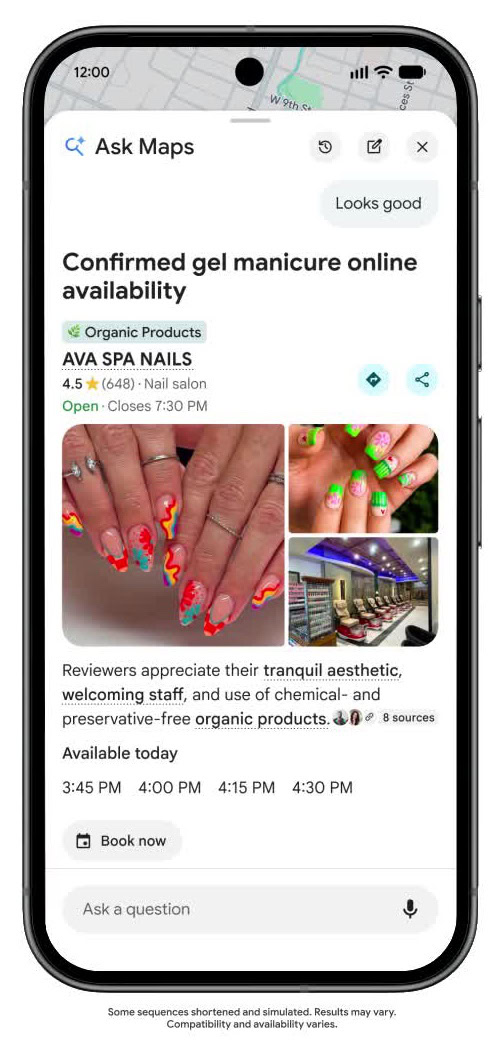
The operational question is whether the public business data is complete enough to support the query. Hours, categories, services, reviews, photos, and page content need to reinforce each other so Google can understand the business in a specific situation, not only as a generic listing.
Why This Matters 2
The setting Google documents for those automated calls is the "Bookings and inquiries from customers" option in Advanced settings in your verified Business Profile. However, Google's Ask Maps post does not indicate if calls received via. Local visibility depends on whether the details across pages, profiles, categories, reviews, photos, and service descriptions reinforce the same answer for a specific location based query.
What the visibility signal actually changes
What the visibility signal actually changes: wordPress Random Redirects, Branded API Data & CDN Advice, SEO Pulse: the Operator's View should be treated as a visibility signal, not a standalone headline. Introduction Welcome to the week's Pulse: updates include a WordPress default that you will need to decide on, new data from Search Console via the API, and the question of which party determines whether Googlebot, AI agents or Google's own calls will be.
What the visibility signal actually changes: the practical question is whether the page, brand evidence, and surrounding content make the answer easier to trust. If that support is weak, search systems can still understand the topic but fail to connect it confidently to the brand.
What the visibility signal actually changes: that is why the response should begin with an audit of the evidence already on the site before creating a new asset. The fastest improvement is often a clearer page, a better internal link, or a stronger explanation of why the brand belongs in the answer.
Comments
Comments are reviewed before they are published. Links are not allowed inside comments.