A Practical Client Acquisition System for SEO Consultants
/ 9 min read

Summary
There are many ways to get SEO clients, but here are some strategies you can implement right away. The practical question is what this changes for SEO, content quality, and AI search visibility.
The "feast or famine" cycle is a common struggle for freelancers and agency owners. One month you are overwhelmed with work, and the next, the silence is deafening. The reality is that high quality clients rarely just appear in your inbox by chance. To build a sustainable business, you need a repeatable system for generating leads and a clear process for turning those leads into long term partners. A useful companion note is 6 Ways to Stay Competitive Right Now, because it looks at a nearby part of the same system.
Whether you are just starting out or trying to scale an existing agency, the goal is the same: moving from a reactive state to a proactive one. This guide outlines a complete approach to finding and winning SEO clients, focusing on both the attraction of leads and the art of conversion.
How to Find SEO Leads
Lead generation is often the most daunting part of the job because it requires a shift in mindset from "technician" to "business developer." However, there are several immediate strategies you can implement to fill your pipeline.
1. Create SEO Content
It sounds obvious, but as an SEO professional, your own website should be your primary case study. There is a significant trust gap when a consultant claims they can rank a client's site while their own remains invisible. Converting a lead who found you organically is almost always easier than converting a cold lead because the trust is already established.
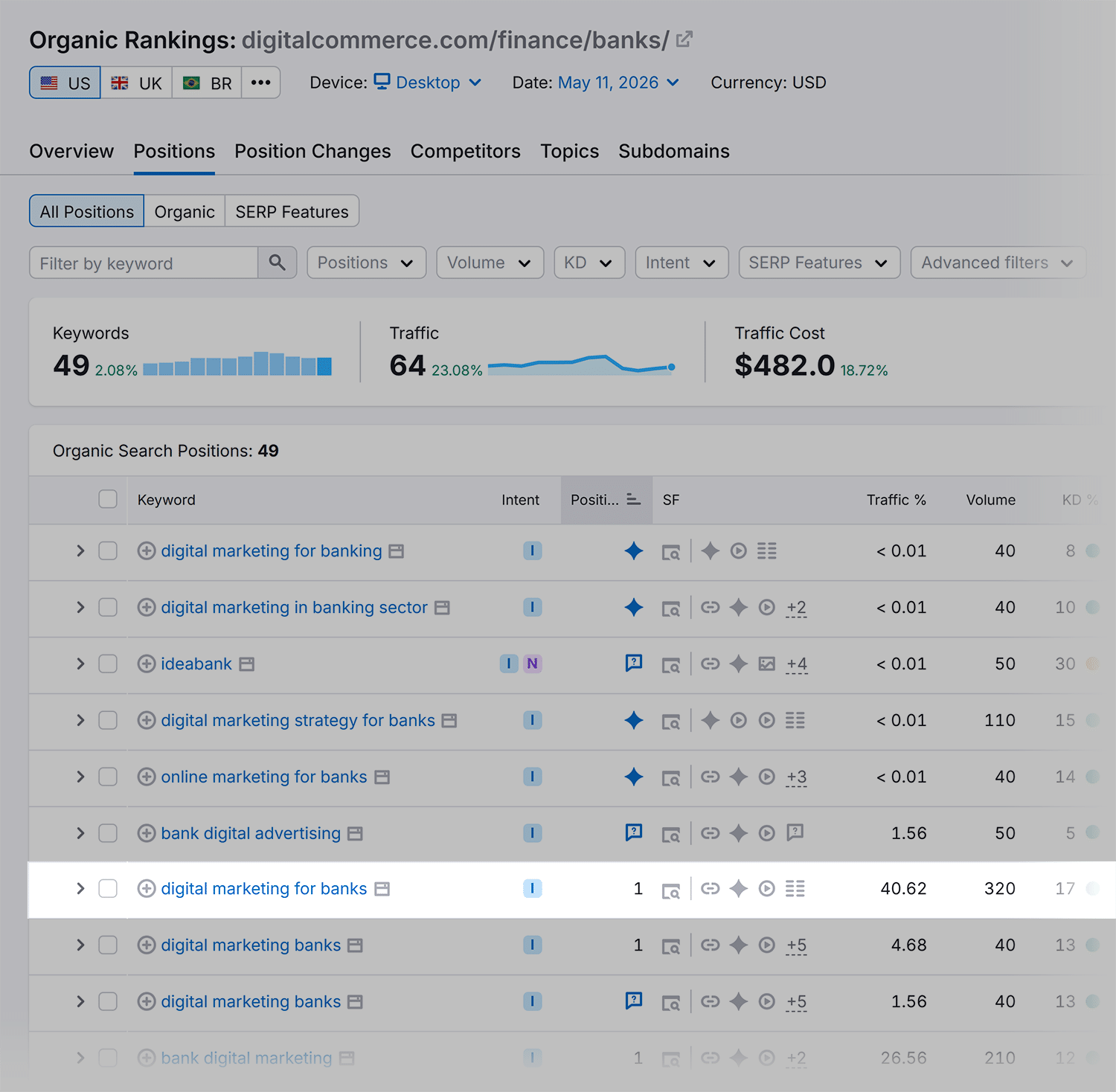
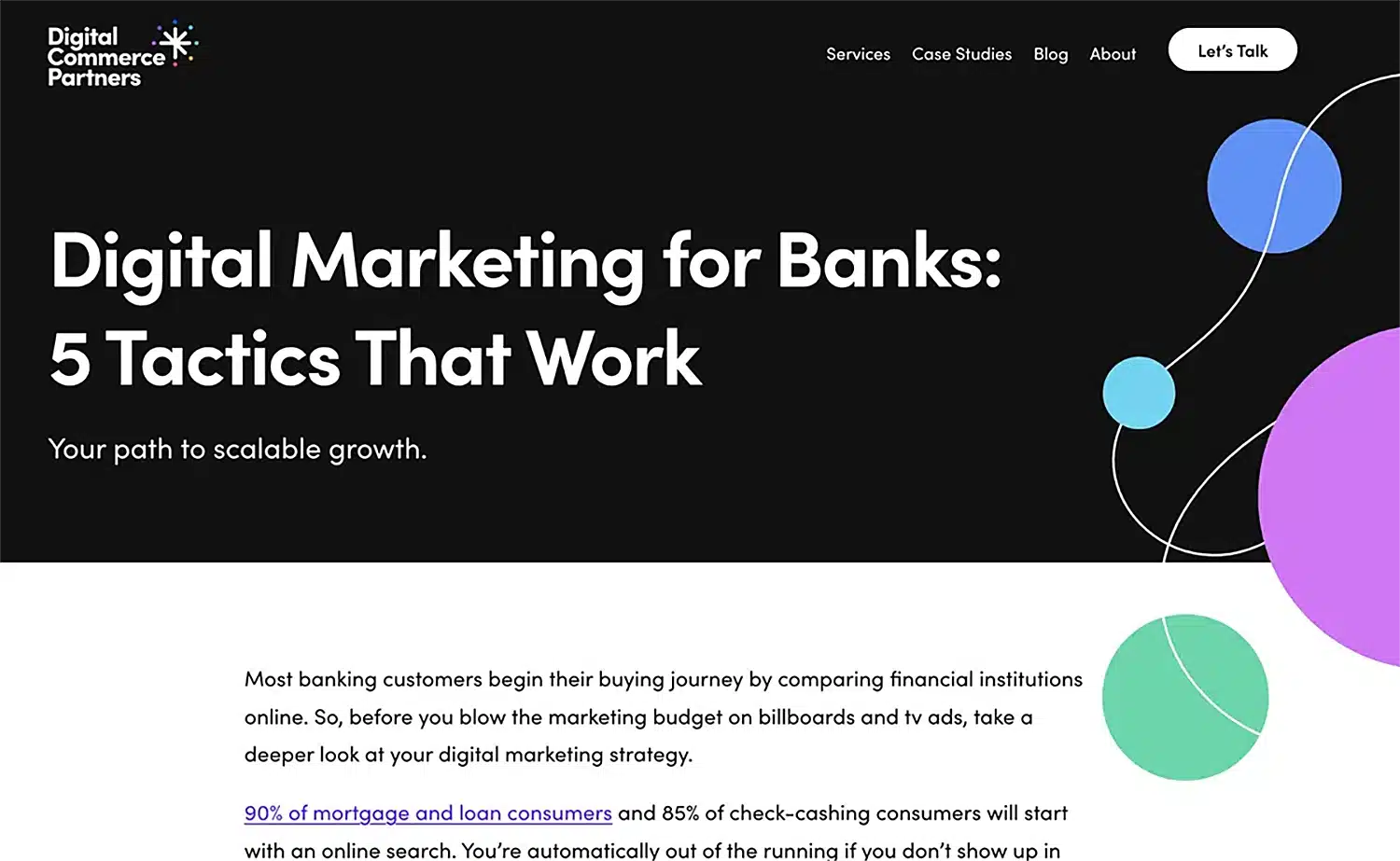
When a potential client sees your content ranking for the very problems they are facing, you have already proven your competence. To do this effectively, identify the specific audiences you want to serve. Instead of writing generic "What is SEO" posts, create optimized, educational content that speaks directly to their business growth. For example, if you target the finance sector, create a guide specifically on how banks can use digital marketing to acquire more customers online.
2. Share Your Expertise on Social Media
Social media is less about "posting" and more about demonstrating authority. Rather than trying to be everywhere, pick one platform where your ideal clients spend their time and focus on providing value. Share industry trends, debunk common myths, and offer thoughtful commentary on recent algorithm updates. The same pattern also shows up in Working Framework, where the practical question is how the signal becomes visible.
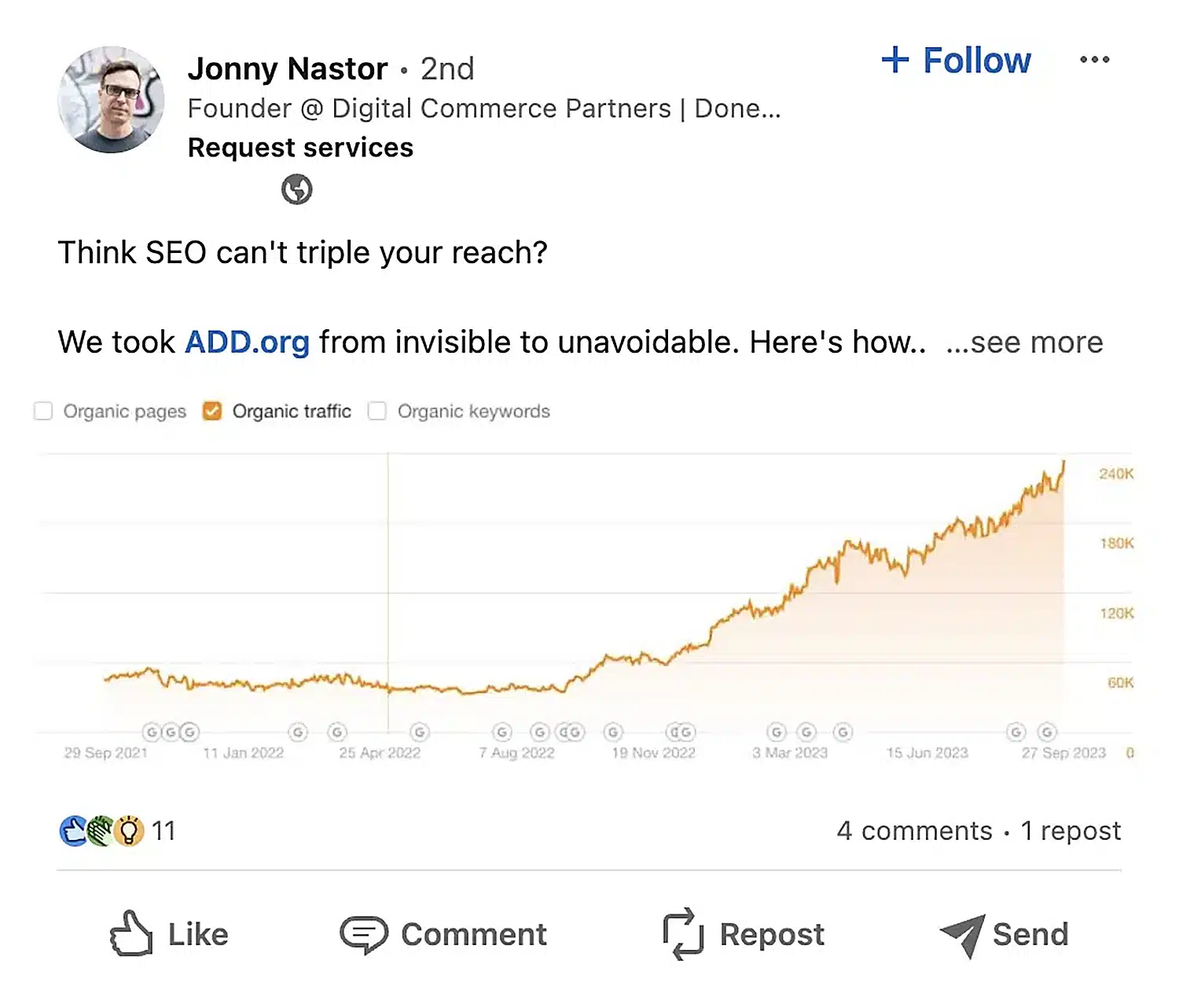
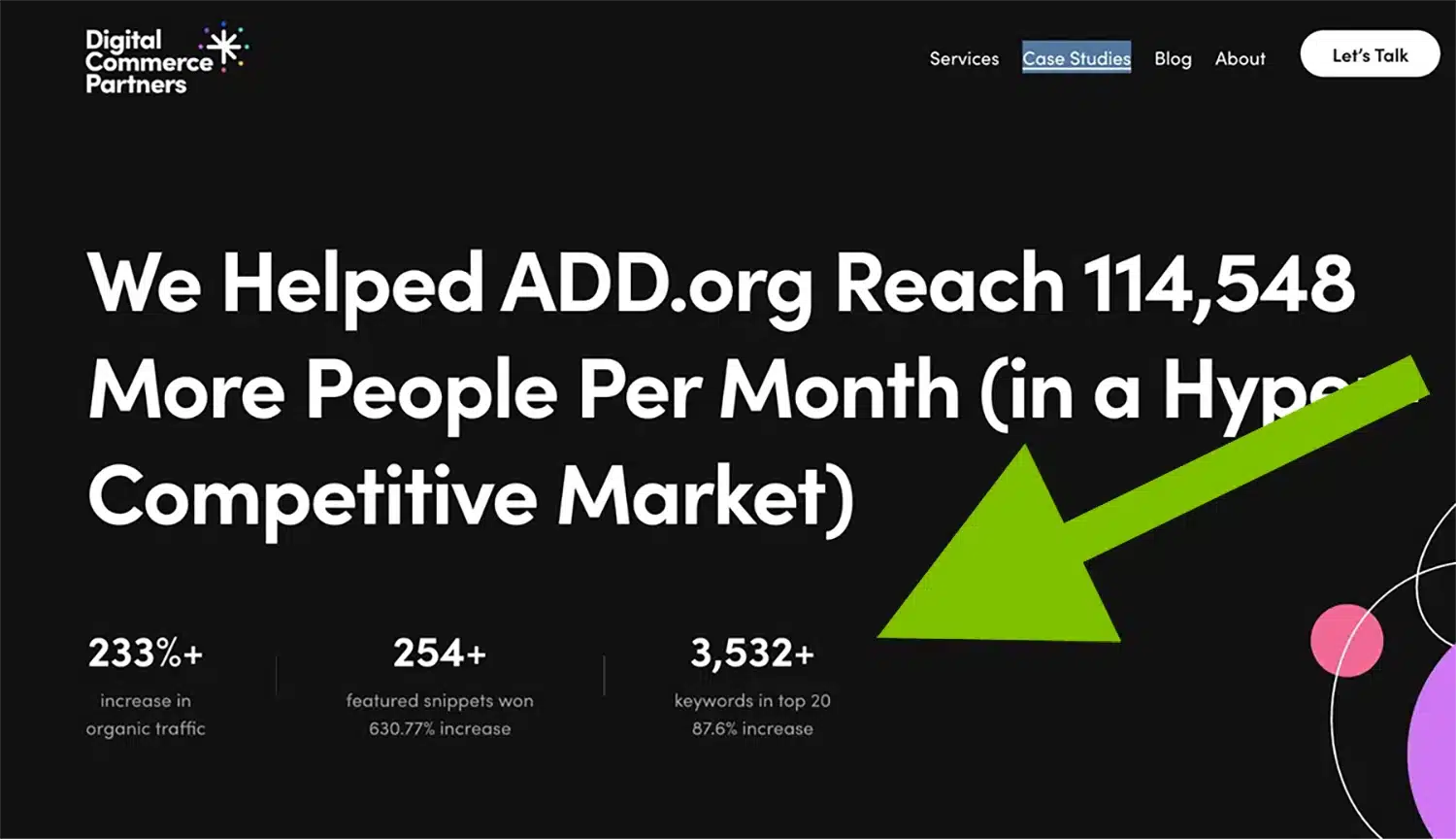
The most effective content here is the success story. Case studies that show a clear "before and after", such as a specific percentage increase in organic traffic, act as lead magnets. You don't need to go viral to see results; a single, well articulated post about a client win can be enough to secure a high value retainer.
3. Ask for Referrals
The warmest lead you will ever get is a referral from a satisfied client. Once you have successfully delivered a project and the client is happy with the results, simply ask if they know anyone else who could benefit from your services.
Many freelancers avoid this because they dislike "selling," but a referral is not a cold pitch; it is a recommendation. A warm introduction bypasses the need to build rapport from scratch and significantly streamlines the sales process. While you will face some rejections, the quality of referral leads is typically much higher than any other channel.
4. Attend Networking Events
Despite the digital nature of our work, human connection remains a powerful tool. Both online and offline networking events put you in the room with business owners and decision makers who may not be searching for an SEO on Google, but are feeling the pain of poor visibility.
The key is to position yourself as a trusted advisor rather than a vendor. By engaging in genuine conversations and offering insights during discussions, you plant the seeds for future collaborations. Online workshops and global conferences offer a similar advantage but with a much wider reach, allowing you to connect with a global pool of prospects.
5. Host Local Events to Promote Your Business
Hosting your own event, whether it is a small seminar or a local meetup, shifts the power dynamic. Instead of chasing clients, you are inviting them into your space. This allows you to showcase your problem solving skills in a live, approachable environment.
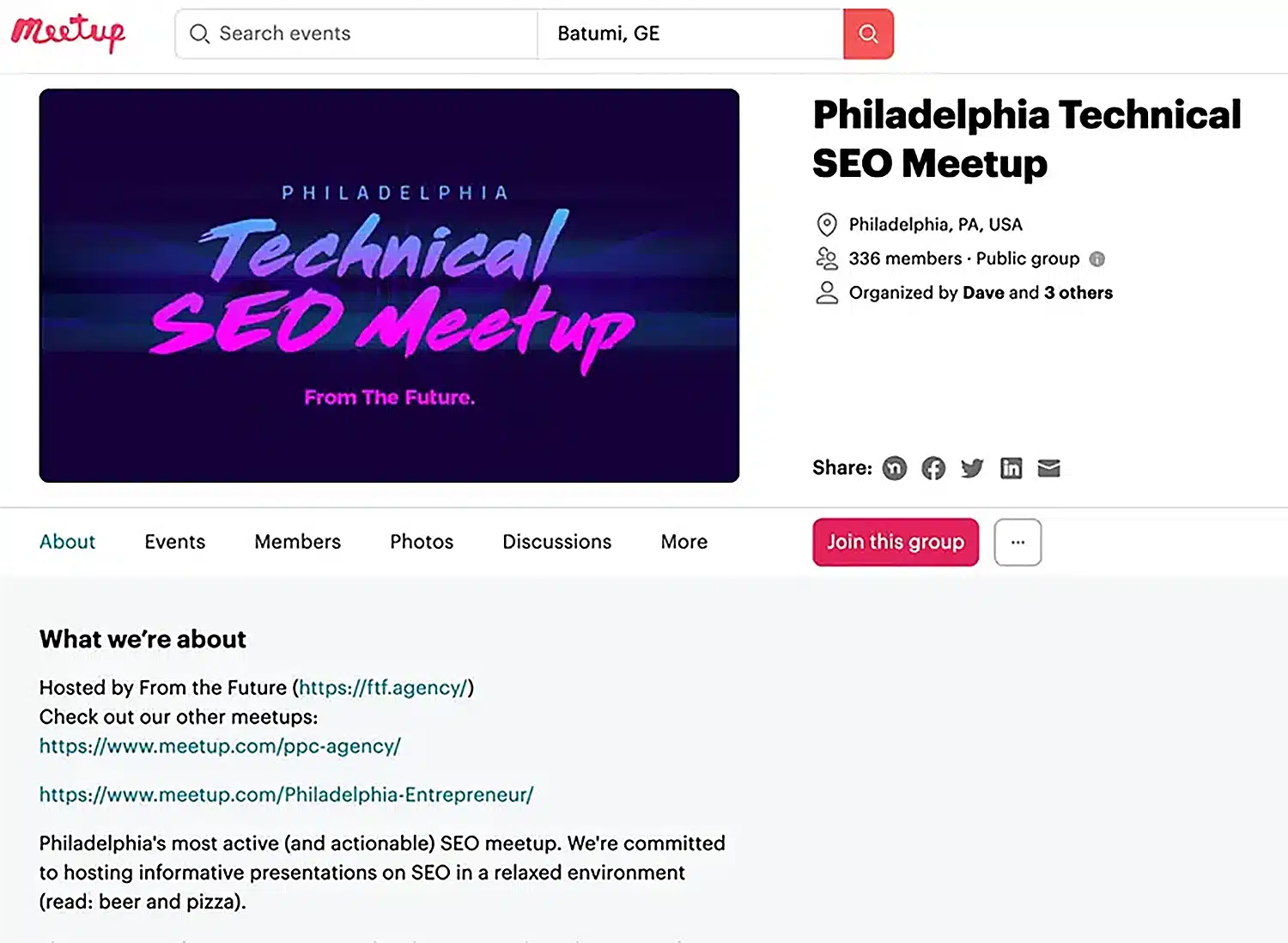
Local events foster a sense of community and personal trust that is hard to replicate through a screen. these events can be recorded or documented, providing you with a wealth of content to promote your expertise online long after the event has ended.
6. Contact Local Businesses
If you want to target a specific geographic area, start with the search results. Look at the third to fifth pages of Google for local keywords (e.g., "flower delivery in NYC"). The businesses ranking there are often the best prospects because they are already trying to rank, but they are clearly struggling.
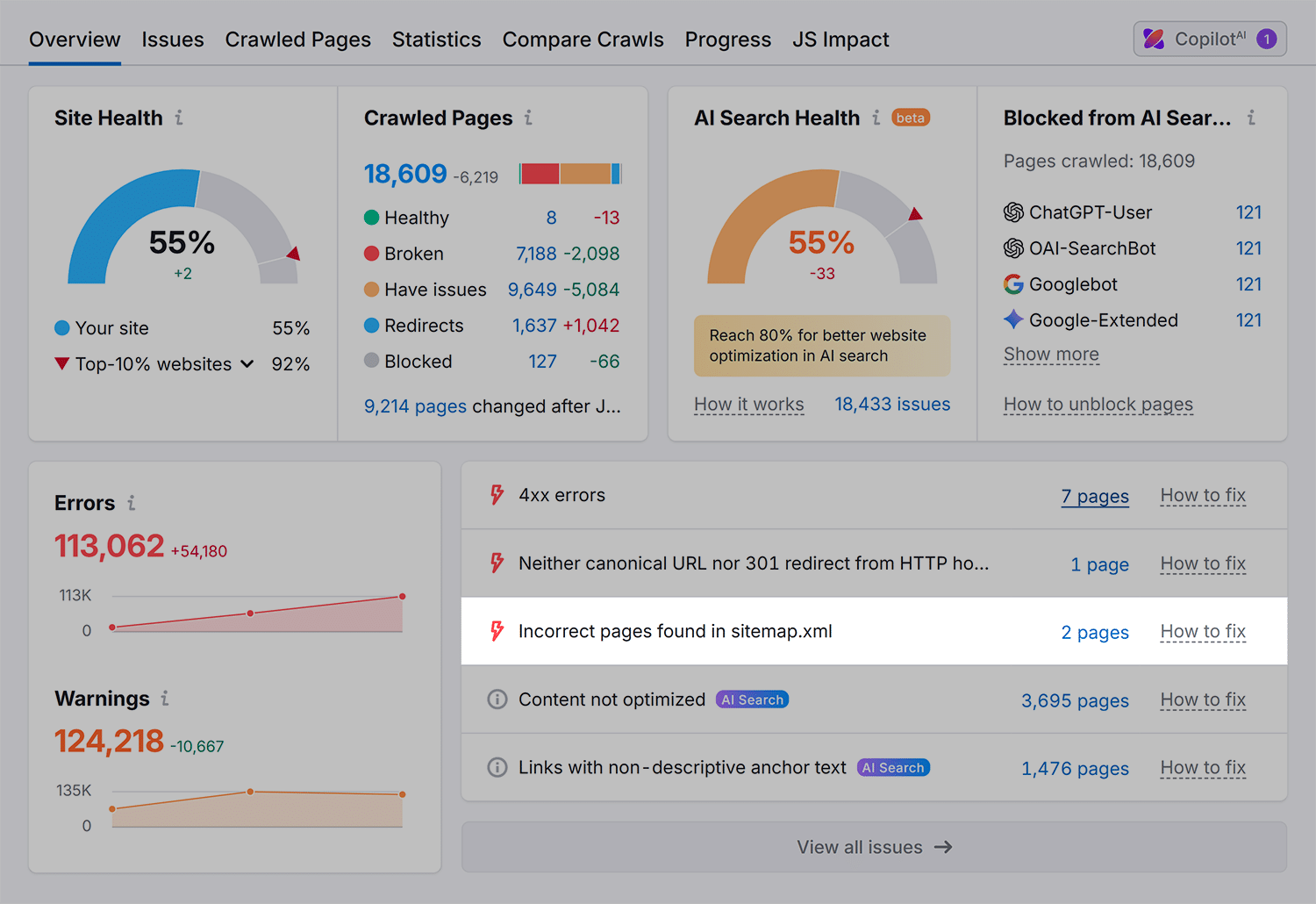
Before reaching out, perform a quick technical audit. If you find a critical error, such as a broken sitemap or indexability issues, you have a tangible reason to contact them. Sharing a specific finding rather than a generic pitch shows that you have already invested time into their business, making them much more likely to respond.
7. Join Online Groups and Communities
Online communities are hubs of shared knowledge. By consistently contributing helpful answers and participating in discussions, you build a reputation as a thought leader. Keep an eye out for business owners mentioning frustrations with their current visibility or SEO efforts.
When you see these gaps, reach out with a personalized message. Avoid the "I can help you" template; instead, reference the specific struggle they mentioned and offer a brief, valuable suggestion. Building the relationship first makes the eventual transition to a sales conversation feel natural.
8. Connect with Your Target Audience on LinkedIn
Generic cold messaging on LinkedIn is often ignored because it feels like "blind fishing." To be successful, you need to move toward "spearfishing", highly targeted outreach.
Use LinkedIn's advanced search filters to find marketing managers or business owners in your niche. Your connection requests should be personalized and focused on the specific pain points of their industry. The goal is not to sell in the first message, but to start a conversation based on a shared professional interest.
9. Find a Strategic Agency Partner
You don't have to find every lead yourself. Partnering with agencies that offer complementary but non competing services, such as web design, branding, or content marketing firms, can create a steady stream of referrals.
A web design agency, for instance, often builds beautiful sites that have no SEO strategy. By partnering with them, you provide a value add to their clients while they provide you with a pre qualified lead source. It is a symbiotic relationship where both parties expand their service offerings without increasing their overhead.
10. use Service Directories
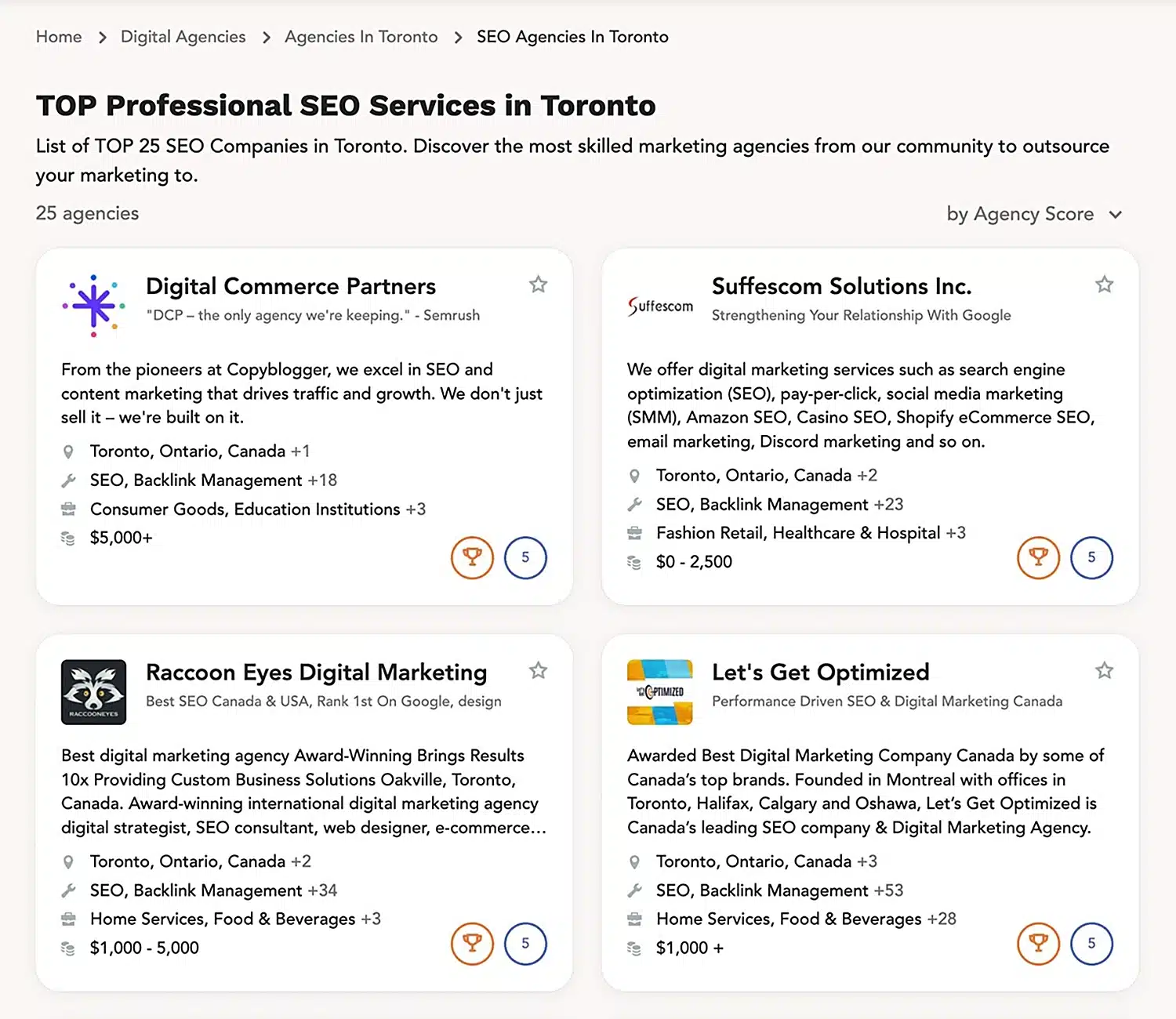
Directories like Clutch, Manifest, and Semrush Agency Partners act as digital storefronts. Many clients use these platforms to compare agencies before making a decision.
To stand out, you need more than just a listing. You need a compelling description of your expertise, detailed case studies, and a consistent flow of positive client reviews. Optimizing your profile with relevant keywords can also help you appear in the directory's internal search results.
11. Use Technology Lookup Software
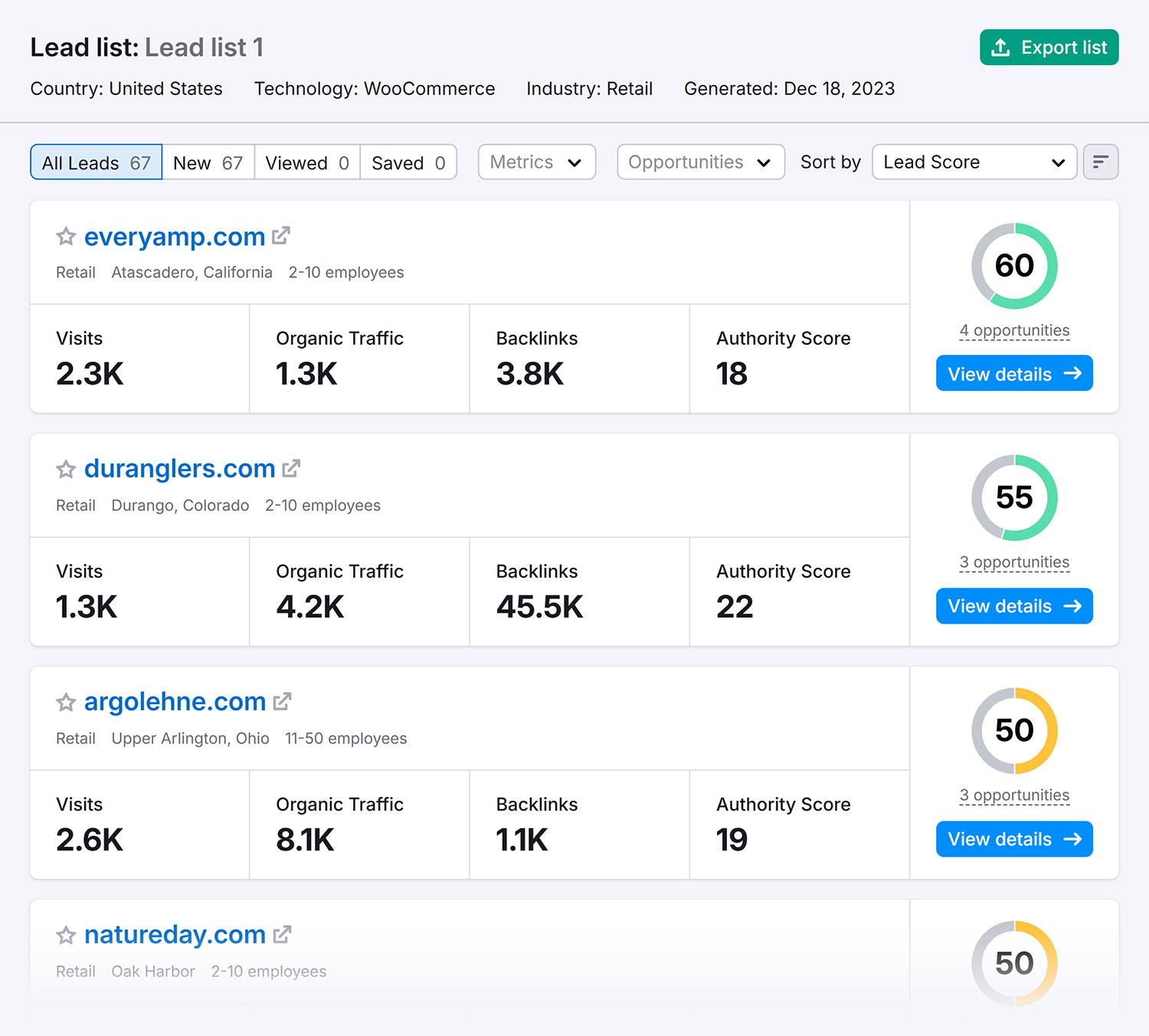
Tools like BuiltWith or Lead Finder allow you to qualify leads based on the technology they use. For example, if you specialize in e-commerce SEO for WooCommerce, you can filter for retail sites specifically using that platform.
This data driven approach ensures you are only spending time on prospects that fit your ideal client profile. Once you have a list, you can review their sites for specific technical gaps and approach them with a solution tailored to their exact tech stack.
12. Incorporate AI into Your Lead Gen and Sales Process
AI should be used to remove the friction from your sales process, not to replace the human element. Use AI to personalize cold outreach at scale, ensuring your messages feel tailored rather than generic.
You can also use AI to analyze customer reviews of your prospects. By spotting reputation gaps or common customer complaints in their reviews, you can reach out with a specific offer to improve their positioning. using AI to summarize sales calls helps you surface the client's actual pain points, which you can then mirror in your proposal.
How to Convert Leads and Get SEO Clients
Getting a lead is only half the battle. The real work lies in conversion, turning a curious prospect into a paying client. This requires a shift from "pitching" to "consulting."
1. Create a Website to Capture Leads
Your website should act as a silent salesperson. When a lead arrives, they are looking for evidence that you can solve their problem. Dedicated service pages are essential here; they should not just list what you do, but explain the benefits and the results the client can expect.
Include clear lead capture forms and prominent displays of your achievements. The goal is to move the visitor from "interested" to "qualified lead" without you having to intervene manually.
2. Create Tailored SEO Packages
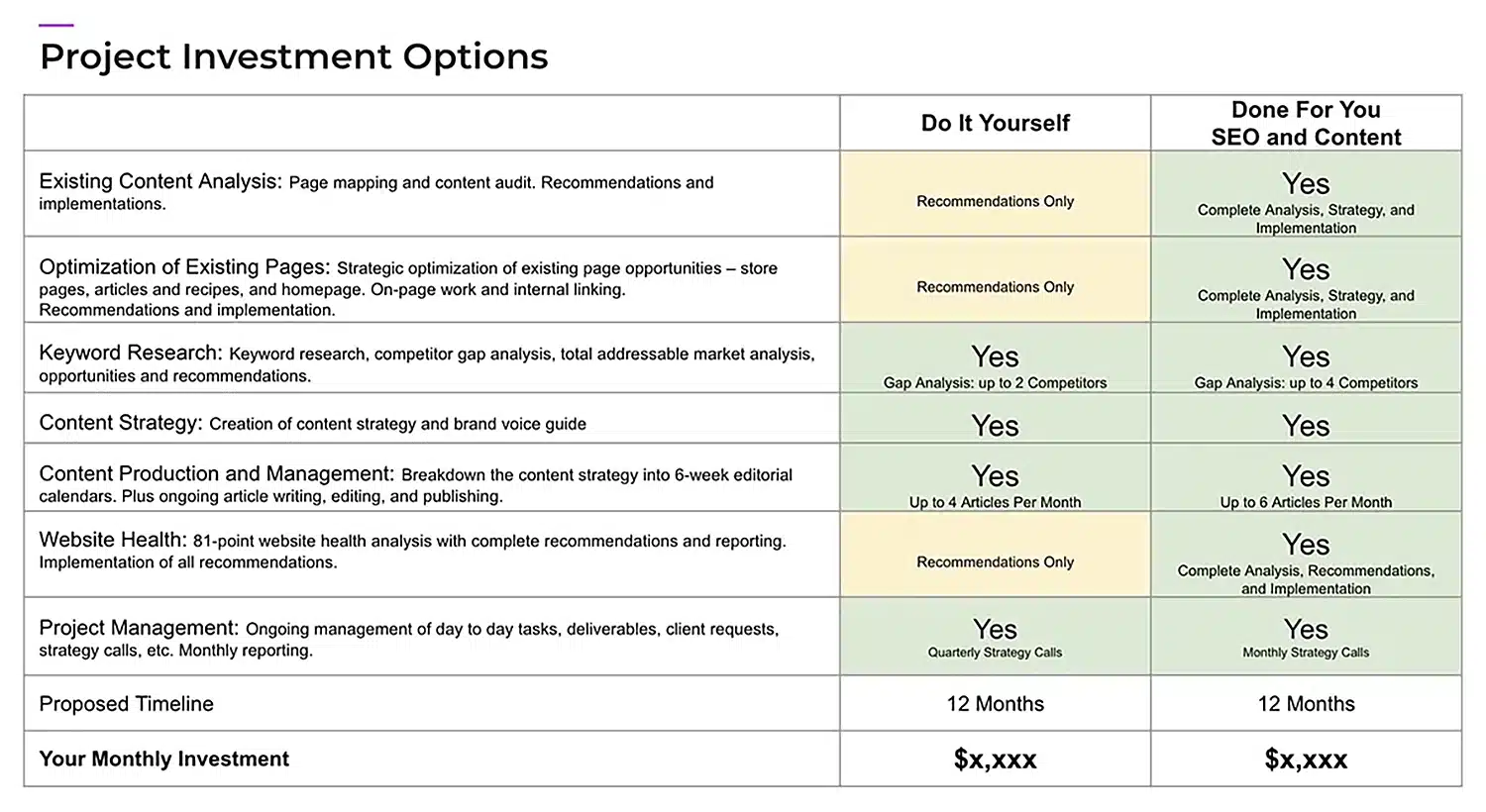
Confusion is the enemy of conversion. If your pricing is a mystery or your services are vague, clients will hesitate. Create clear, tailored packages that align with different business goals, whether that is local dominance, national growth, or technical cleanup.
3. Show the Impact of Your Work
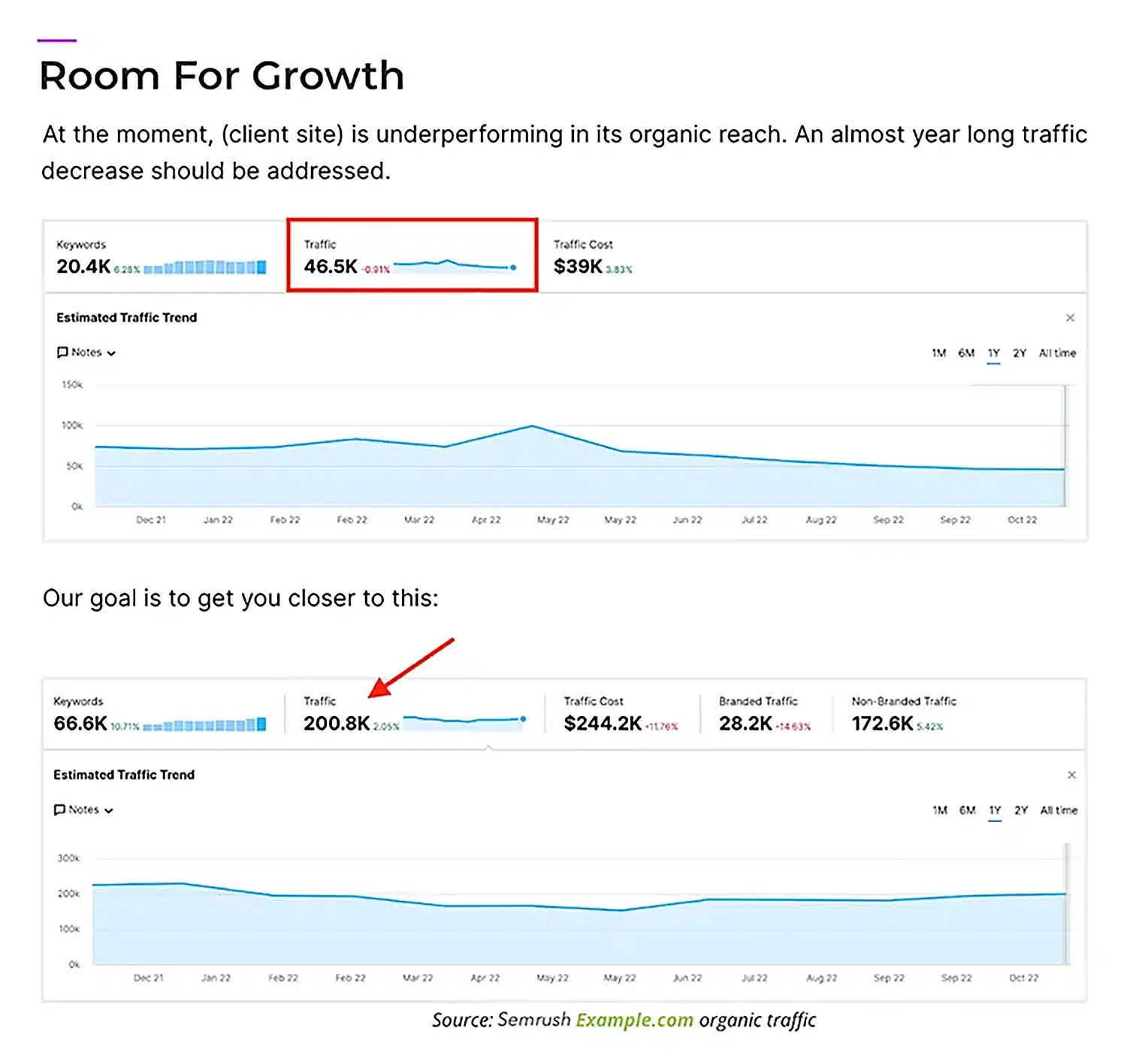
Clients do not buy "backlinks" or "meta tags"; they buy growth, leads, and revenue. Whenever you present your work, focus on the business impact. Use data to show how an increase in rankings led to a specific increase in conversions or sales. This connects with We Earned 1 when the same signal needs a clearer operating decision.
4. Do a Discovery (Not a Sales) Call
The biggest mistake many agency owners make is treating the first call as a sales pitch. Instead, treat it as a discovery session. Your goal is to listen more than you speak. Ask deep questions about their business goals, their previous failures with SEO, and what success looks like for them.
5. Focus on Providing Value During the Discovery Call
If you can provide a "quick win" or a valuable insight during the discovery call, you have already proven your value. Instead of saying "I can help you," show them a specific error on their site and explain how fixing it would impact their bottom line. This transforms the call from a pitch into a consultation.
6. Create a Value Based Proposal
Avoid proposals that look like a shopping list of tasks. Instead, create a value based proposal. Focus on the outcomes you will achieve and the ROI the client can expect. The proposal should be a roadmap to their goal, with your services as the vehicle to get them there.
Comments
Comments are reviewed before they are published. Links are not allowed inside comments.