The 11 SEO Features Every CMS Should Ship with (Most Still Don’t)
/ 6 min read

Summary
What do I consider to be the actual bare minimum a CMS should offer for SEOs and content creators? Every week I continue to find. The practical question is what this changes for SEO, content quality, and AI search visibility.
Content management systems (CMS) often try to force SEOs into a box of " this is how a website should work." The problem is that SEO has never been a black and white thing and so often depends upon the individual website, industry, and brand as to how we may want to structure indexing, content, and infrastructure. Over my years as an in house SEO, consultant, and web developer, I've worked with a wide range of CMS.
Even though we continue to see improvements across platforms, many still fail to meet the base level requirements and flexibility we as SEOs need day to day. This results in us as an industry being on repeat, submitting the same ticket for a fix again and again.
The Bare Minimum A CMS Should Offer
What do I consider to be the actual bare minimum a CMS should offer for SEOs and content creators? Every week I continue to find out about often well known platforms missing what I would consider a baseline standard. On three different. The practical read is that brand signals need to be consistent enough for both people and AI systems to form a stable view of the company, its expertise, and its trust signals.
The operational question is whether the public business data is complete enough to support the query. Hours, categories, services, reviews, photos, and page content need to reinforce each other so Google can understand the business in a specific situation, not only as a generic listing.
CMS SEO Functionality That Goes Above And Beyond
I've worked across numerous platforms over my time with many having a constant stream of content, development, and marketing changes going live. Often teams find themselves raising the same ticket again and again. Over the years, there. The search implication is whether the section improves the evidence around the page, not simply whether it adds more wording. Clear entities, crawlable structure, internal links, and useful context are what make the topic easier to evaluate.
The risk is usually hidden in the execution layer. A page can look fine to a human and still fail for an automated visitor if the form, call to action, rendering path, or confirmation step is not accessible enough for the agent to complete the task.
Automated Jump Links Or Table Of Contents
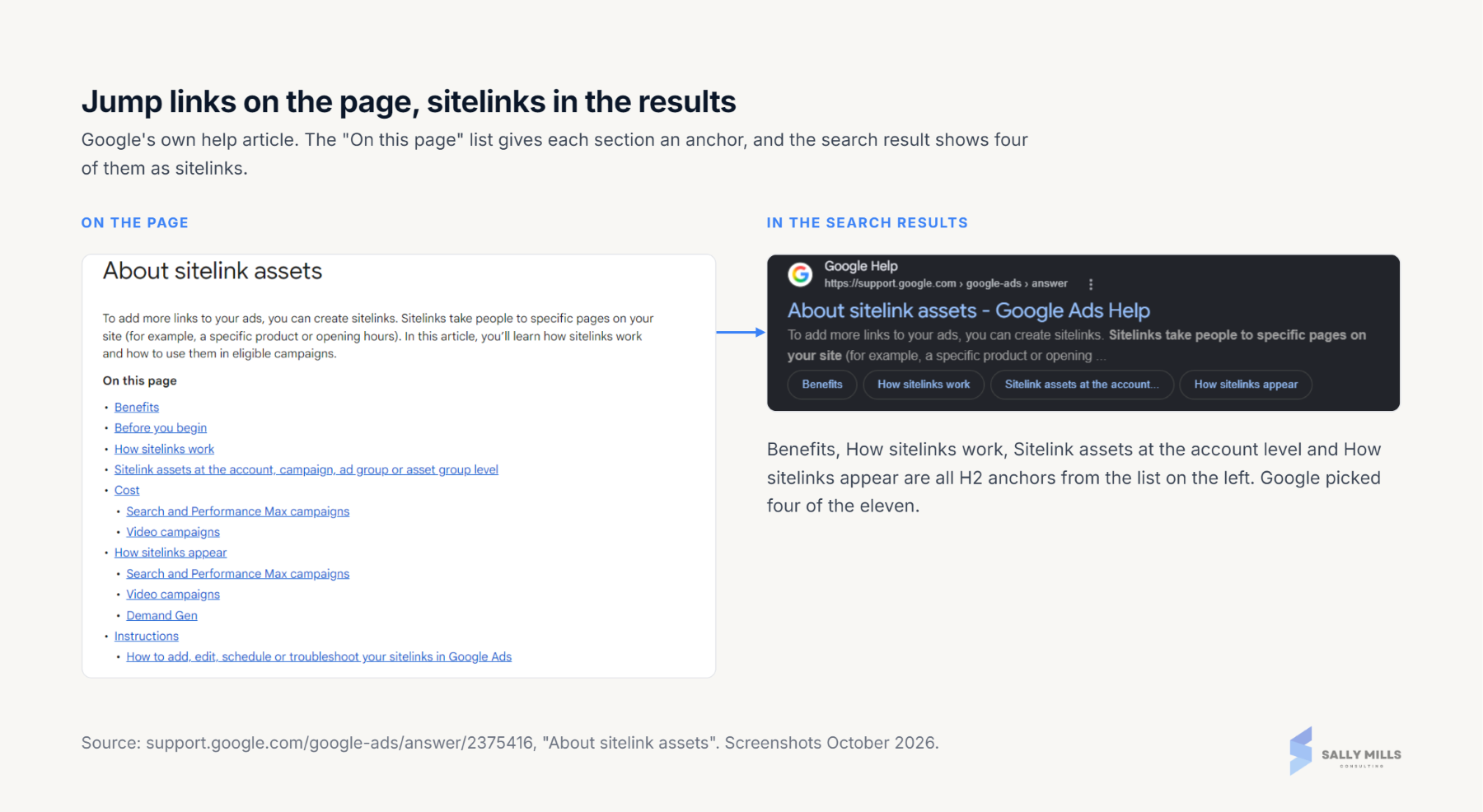
Having a table of contents at the start of your content is hugely beneficial to the user and can earn you sitelinks in Google's search results. Often, systems can make this quite a manual job to create, forcing the content creator to. The search implication is whether the section improves the evidence around the page, not simply whether it adds more wording. Clear entities, crawlable structure, internal links, and useful context are what make the topic easier to evaluate.
Handling Of 404s, 301s, And 410 HTTP Status Codes
SEOs can often become maintenance people, cleaning up broken links, redirecting pages that are gone, then, of course, cleaning up internal links that are now redirecting. There are a few different levels of automation that CMSs could offer. The search implication is whether the section improves the evidence around the page, not simply whether it adds more wording. Clear entities, crawlable structure, internal links, and useful context are what make the topic easier to evaluate.
The useful check is whether this improves the system behind search performance, not only the words on the page. Internal links, crawlable content, clear entities, current evidence, and a sensible page structure all help the recommendation become easier to trust.
Cleaning Up Internal 301 Links
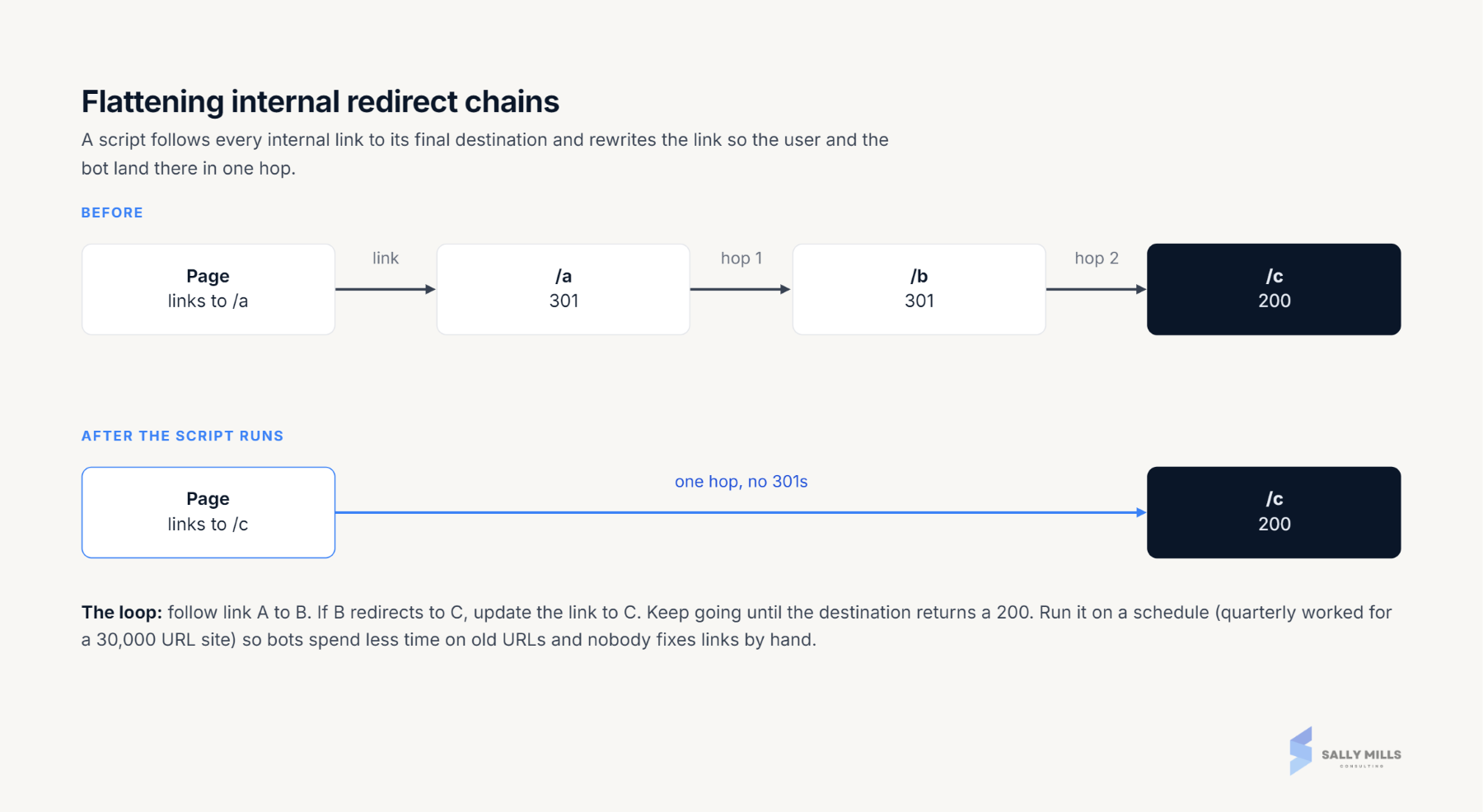
I've worked on large editorial websites where there simply isn't the resource to go through and replace each link that redirects. The biggest run I've done was after a migration of a site with tens of thousands of URLs from an old.NET. The practical question is what this changes in the system: the page structure, the evidence presented, the measurement habit, or the way the topic is connected to related work.
Automatically Redirecting On URL Change
A CMS should also be flagging when a page's URL has been changed and automatically adding a 301 redirect from the old URL to the new. This change would reduce delayed clean up from SEOs and would result in a better user experience. If they. The search implication is whether the section improves the evidence around the page, not simply whether it adds more wording. Clear entities, crawlable structure, internal links, and useful context are what make the topic easier to evaluate.
404 Internal Link Report
We often have to rely on technical SEO tools to report on 404 errors. I think in today's world of monitoring, CMSs should offer offer a report of broken links and allow SEOs to bulk upload the correct links or decide to remove the link. So. The measurement question is whether this signal changes a decision, not whether it adds another number to a dashboard. Useful reporting connects visibility, engagement, and business outcomes without pretending every AI influenced journey will produce a clean click path. The same pattern also shows up in SEO. Don’t Let Claude Do SEO., where the practical question is how the signal becomes visible.
The reporting question is whether this signal changes a decision. If it only creates another number in a dashboard, it adds noise. If it helps separate profile activity, website visits, calls, bookings, and direction requests, it can make local performance easier to understand.
410 Status Codes
It's still incredibly rare that we have systems that offer the functionality to set a URL or a folder of URLs to a 410 status code. To this day, I've only used a 410 a few times on a live site. With most CMSs not providing this. The search implication is whether the section improves the evidence around the page, not simply whether it adds more wording. Clear entities, crawlable structure, internal links, and useful context are what make the topic easier to evaluate.
Redirect And Status Code Manager
Most platforms these days have some form of redirect manager; however, so often they are missing important customization and safeguards. Choice of HTTP Status Code, 301, 302, 307/308, 410. Control URL query strings or parameters. The practical question is what this changes in the system: the page structure, the evidence presented, the measurement habit, or the way the topic is connected to related work.
Image Optimization
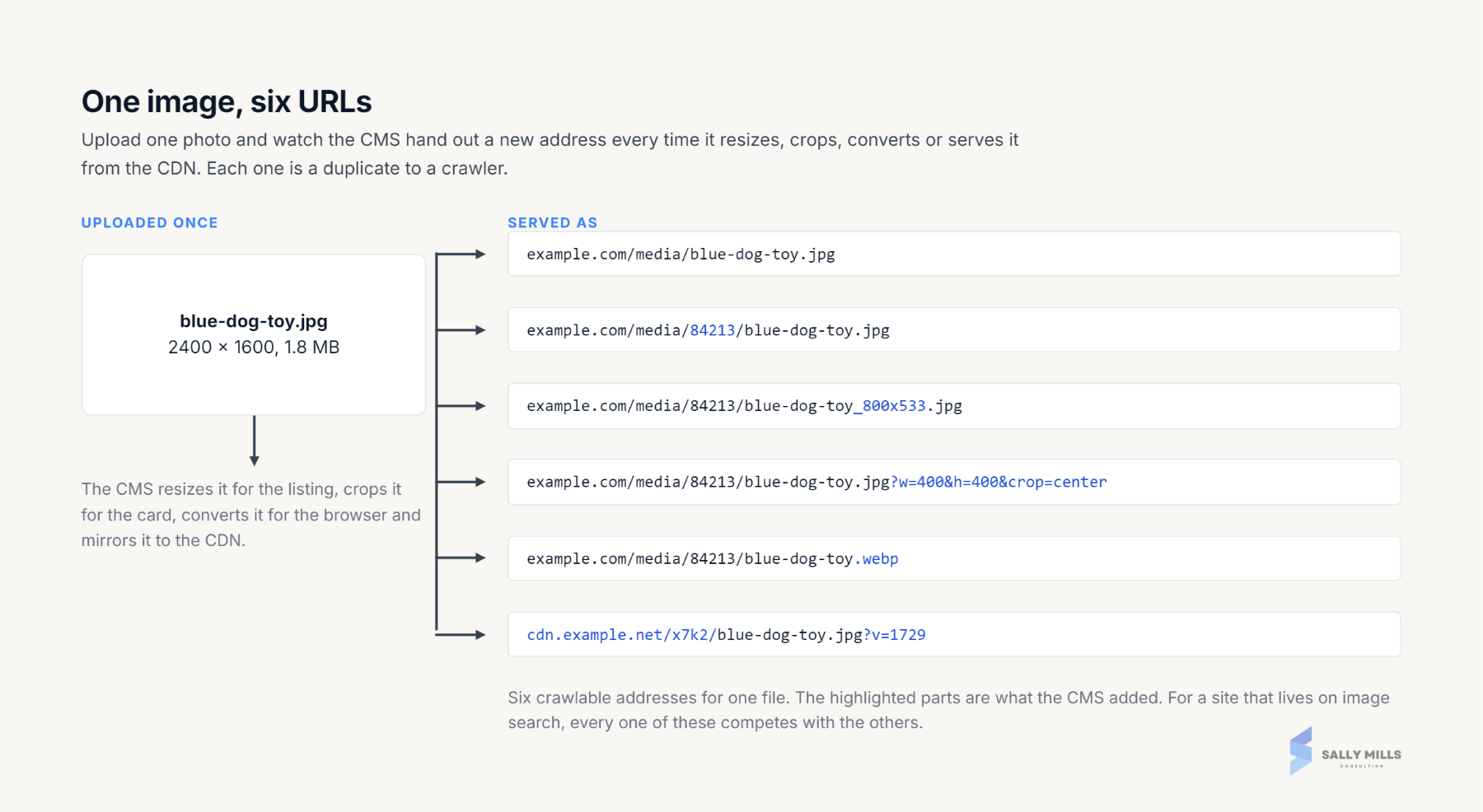
To this day, I haven't found a CMS that does a great job of handling different image files. Often they'll have a range of issues that negatively impact SEO. Keep one clean, stable URL per image, whether it's served from the CDN or. The search implication is whether the section improves the evidence around the page, not simply whether it adds more wording. Clear entities, crawlable structure, internal links, and useful context are what make the topic easier to evaluate.
What the visibility signal actually changes
What the visibility signal actually changes: the 11 SEO Features Every CMS Should Ship with (Most Still Don’t): the Operator's View should be treated as a visibility signal, not a standalone headline. Introduction Content management systems (CMS) often try to force SEOs into a box of " this is how a website should work." The problem is that SEO has never been a black and white thing and so often depends upon the individual website, industry, and brand as. This connects with What AI Says About Your Locations when the same signal needs a clearer operating decision. A useful companion note is Do the Answer Engines Keep Your Fingerprint, because it looks at a nearby part of the same system.
What the visibility signal actually changes: the practical question is whether the page, brand evidence, and surrounding content make the answer easier to trust. If that support is weak, search systems can still understand the topic but fail to connect it confidently to the brand.
What the visibility signal actually changes: that is why the response should begin with an audit of the evidence already on the site before creating a new asset. The fastest improvement is often a clearer page, a better internal link, or a stronger explanation of why the brand belongs in the answer.
Comments
Comments are reviewed before they are published. Links are not allowed inside comments.