Wiretapping the SERP: Reverse Engineering Network Data
/ 6 min read

Summary
"Why?" is a reasonable question, and one I suspect most SEOs ask the bathroom mirror most mornings. Anyone that knows me, knows I. The practical question is what this changes for SEO, content quality, and AI search visibility.

Every time you use a website like Google or ChatGPT, your browser and a collection of backend services have a long and surprisingly candid conversation about what you asked for. That conversation sits in plain sight in the Network tab of Chrome DevTools, a single F12 away, and most people never look at it.
I have spent an unreasonable amount of my time staring at this data, and want to share what I've learned with you. Staring into this network abyss is what turned up a Google search exploit worth a $13,337 bug bounty.
Why Anyone Would Do This To Themselves
"Why?" is a reasonable question, and one I suspect most SEOs ask the bathroom mirror most mornings. Anyone that knows me, knows I enjoy playing games, particularly video games, and I love a new challenge of figuring out how to win. That is. The search implication is whether the section improves the evidence around the page, not simply whether it adds more wording. Clear entities, crawlable structure, internal links, and useful context are what make the topic easier to evaluate.
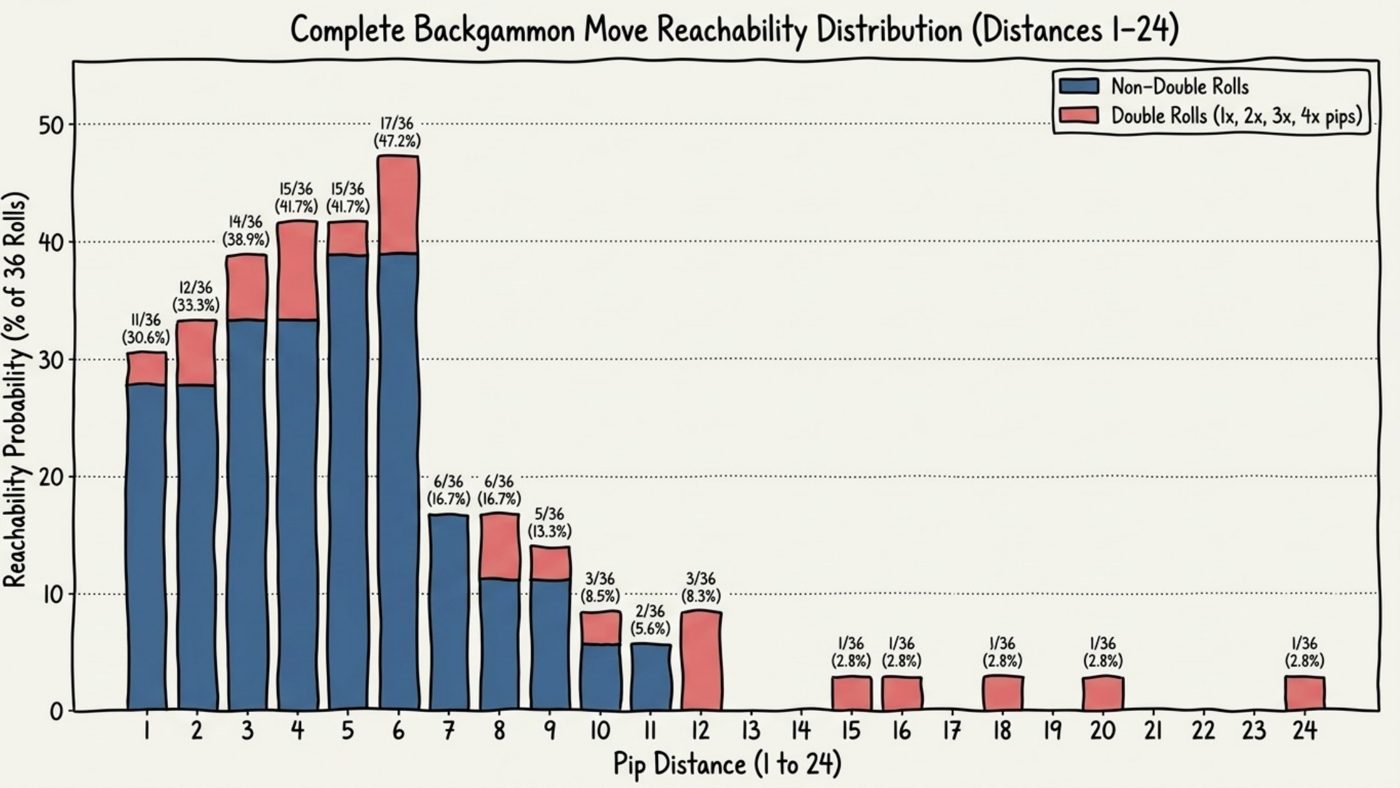
The useful check is whether this improves the system behind search performance, not only the words on the page. Internal links, crawlable content, clear entities, current evidence, and a sensible page structure all help the recommendation become easier to trust.
The Paper, Scissors, Rock Analogy
I discovered an analogy that I know others find useful to explain this approach to clients or managers with the game paper, scissors, rock. Imagine you are playing endless rounds against someone whose stated strategy is to play rock every. The practical question is what this changes in the system: the page structure, the evidence presented, the measurement habit, or the way the topic is connected to related work.

The practical value is in connecting the idea to an observable signal. That means deciding what should be checked, what would prove the issue is real, and where the team should make the smallest useful improvement first.
Blackhat Vs. Whitehat; Expected Value (EV)
The paper, scissors, rock analogy essentially encapsulates the argument between blackhat and whitehat SEO approaches. Blackhat SEO absolutely works, and you can make a great deal of money. In the analogy we outlined above, blackhat SEO is. The search implication is whether the section improves the evidence around the page, not simply whether it adds more wording. Clear entities, crawlable structure, internal links, and useful context are what make the topic easier to evaluate.
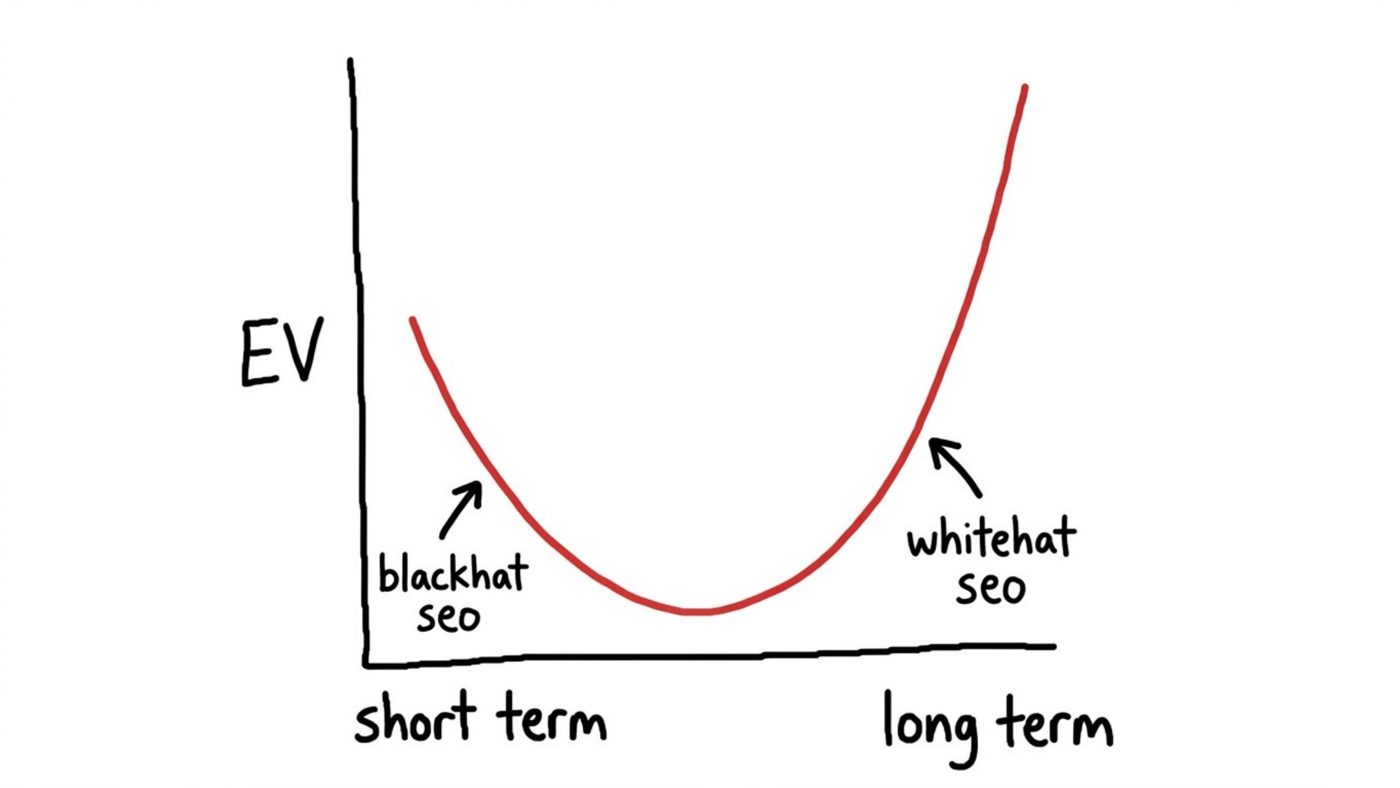
The risk is usually hidden in the execution layer. A page can look fine to a human and still fail for an automated visitor if the form, call to action, rendering path, or confirmation step is not accessible enough for the agent to complete the task.
What Network Data Actually Is
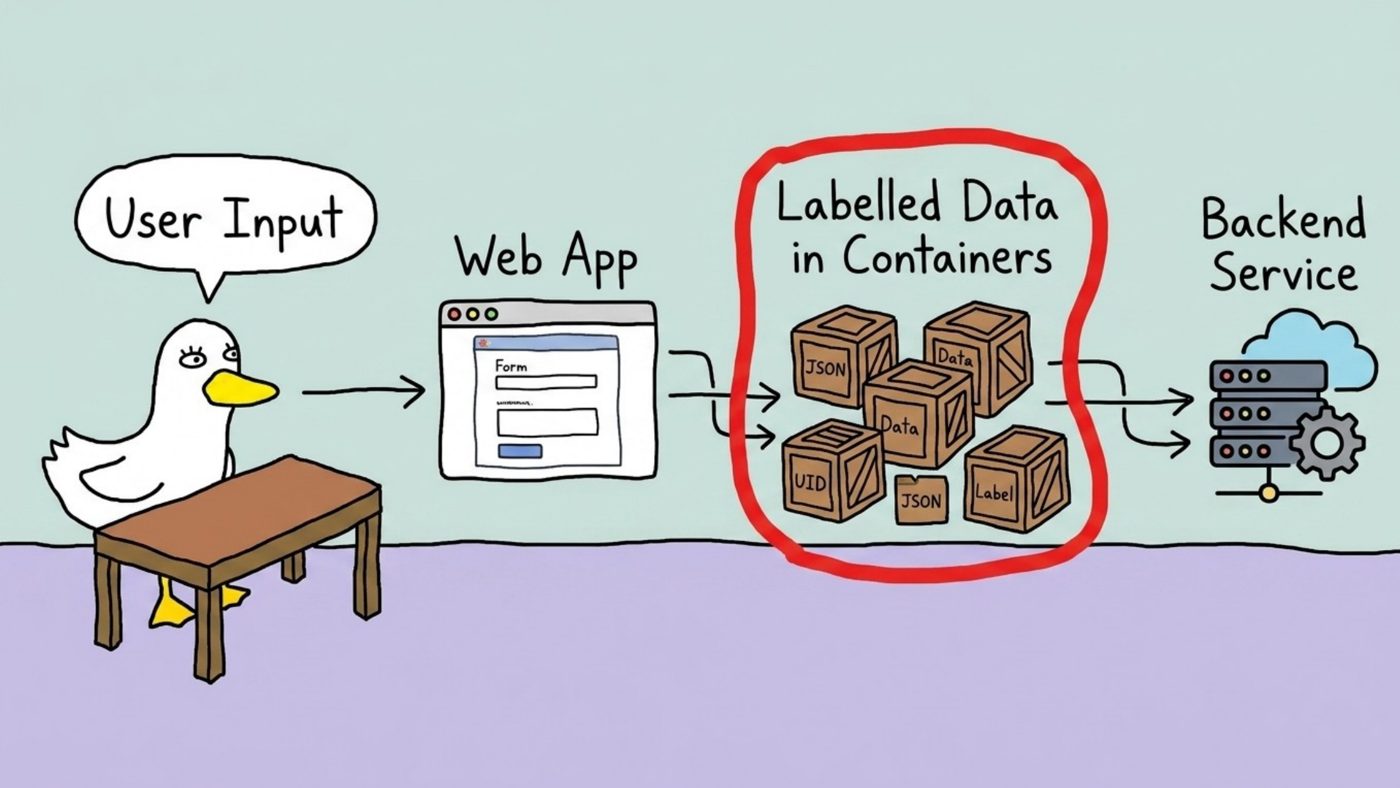
When you use a web app like Google or ChatGPT, your browser is sending data to backend services and receiving data back. The least technical way I can describe it is shipping crates traveling to and from a warehouse. Some crates have clear. The strategic issue is whether automated visitors can understand, trust, and complete the same journey a human visitor can. Agent readiness is partly technical, but it is also about clear tasks, accessible flows, and reliable evidence.
How We Found The Google Exploit (A Manual Example)
A small confession before we begin. The reason we spend so much time doing this is that we run AlsoAsked, which involves a great deal of work with Google's People Also Ask data. I mention this so that you judge me slightly less for the. The measurement question is whether this signal changes a decision, not whether it adds another number to a dashboard. Useful reporting connects visibility, engagement, and business outcomes without pretending every AI influenced journey will produce a clean click path. The same pattern also shows up in from Crawling to Trust, where the practical question is how the signal becomes visible.
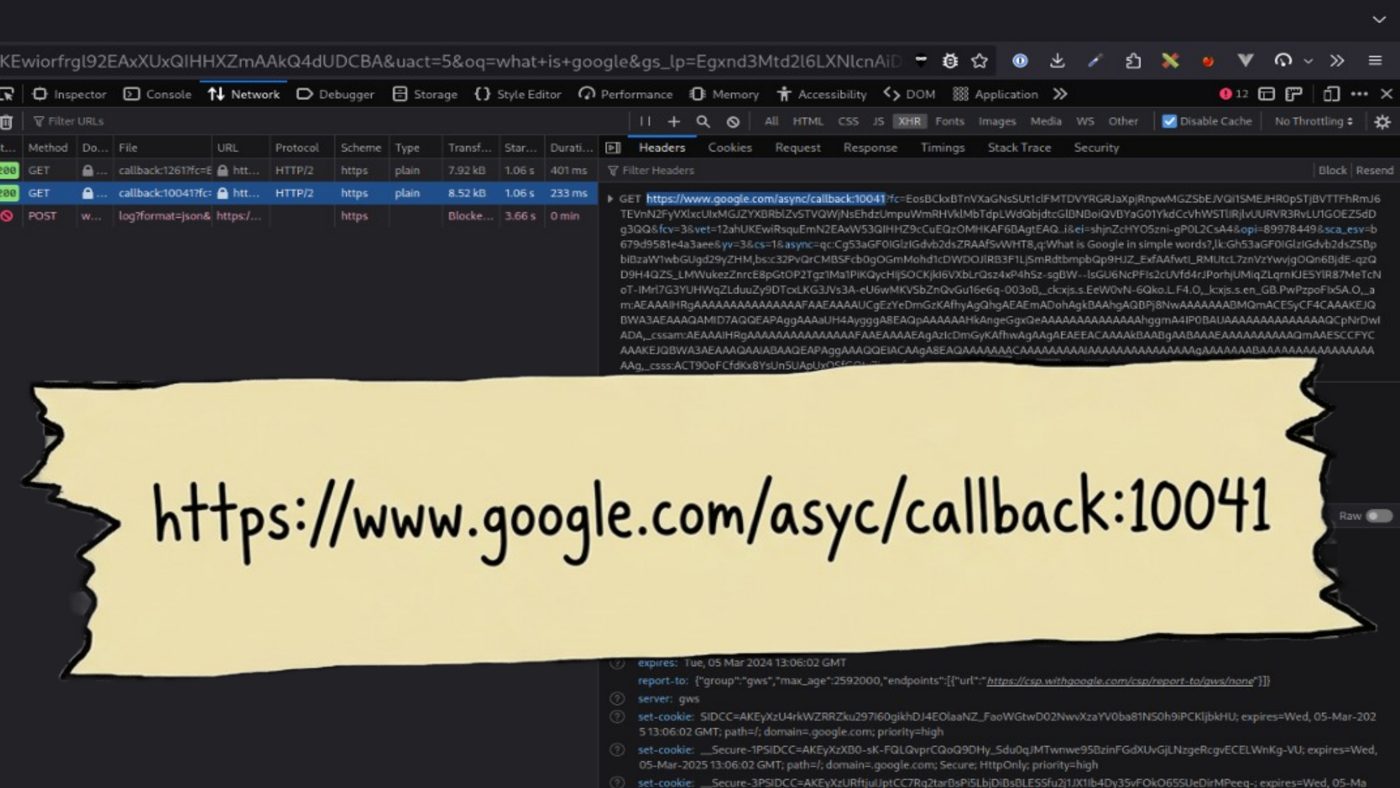
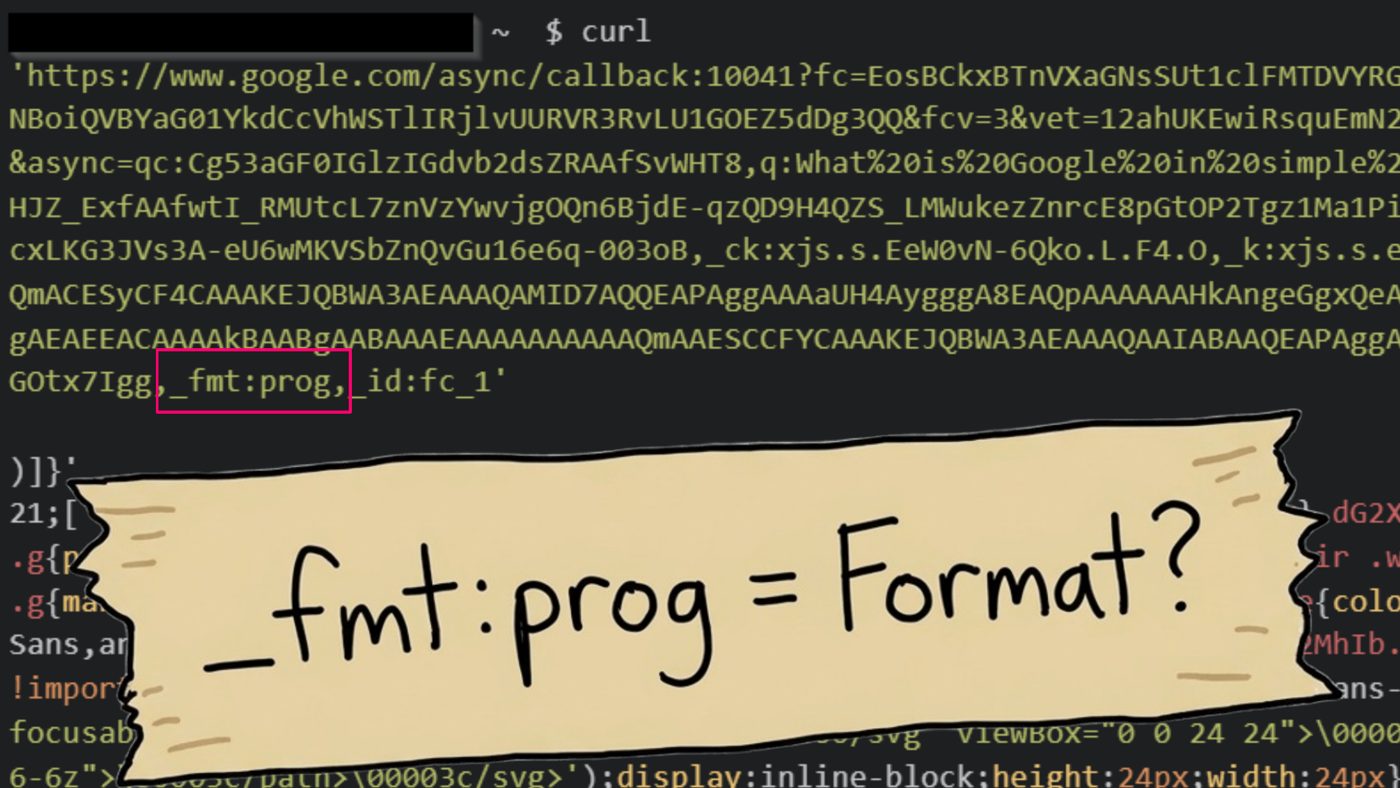
The reporting question is whether this signal changes a decision. If it only creates another number in a dashboard, it adds noise. If it helps separate profile activity, website visits, calls, bookings, and direction requests, it can make local performance easier to understand.
Getting Value From the Data
While there was a lot of direct value in that data, I want to pick a slightly more unusual example of how it turned into something useful. One of the things we noticed while hoovering everything up was that Google classifies pretty much. The search implication is whether the section improves the evidence around the page, not simply whether it adds more wording. Clear entities, crawlable structure, internal links, and useful context are what make the topic easier to evaluate.
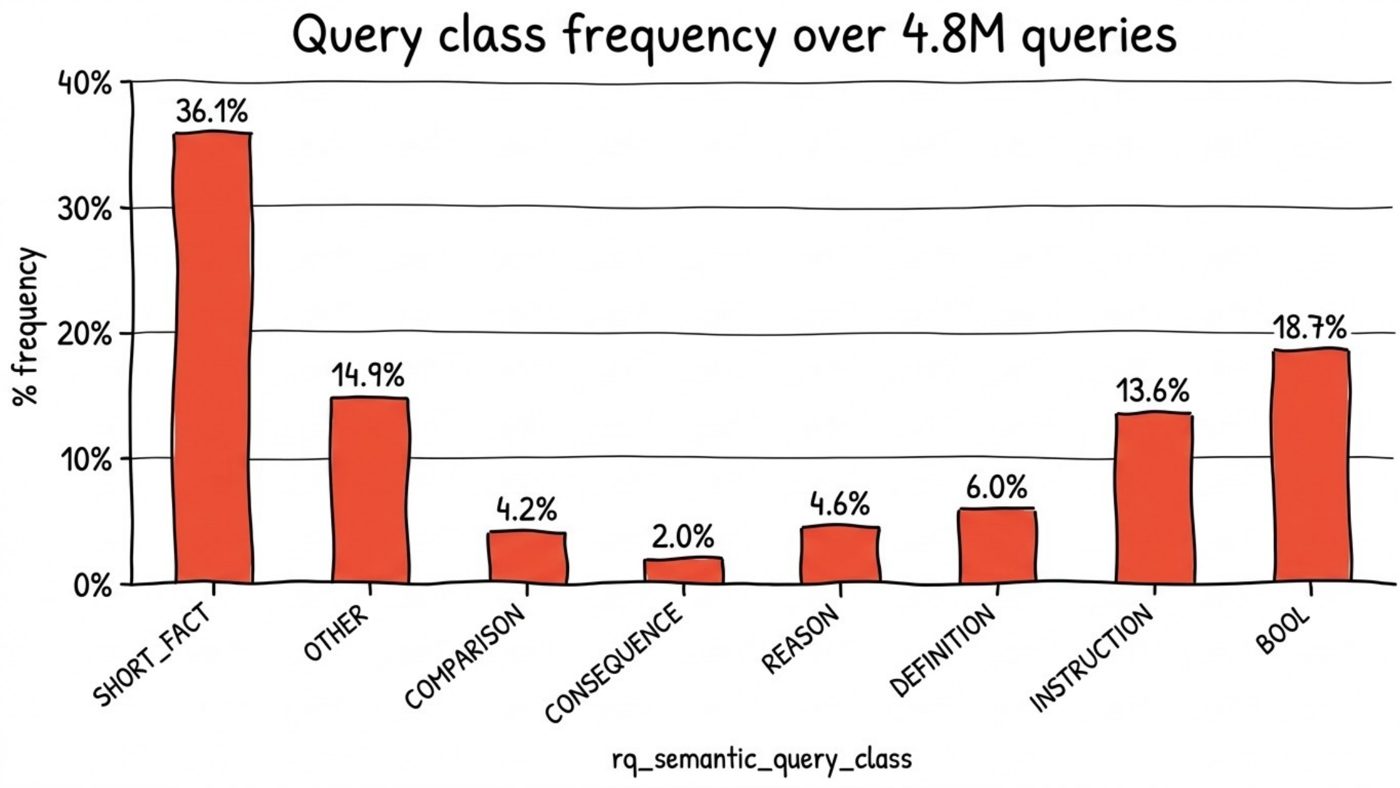

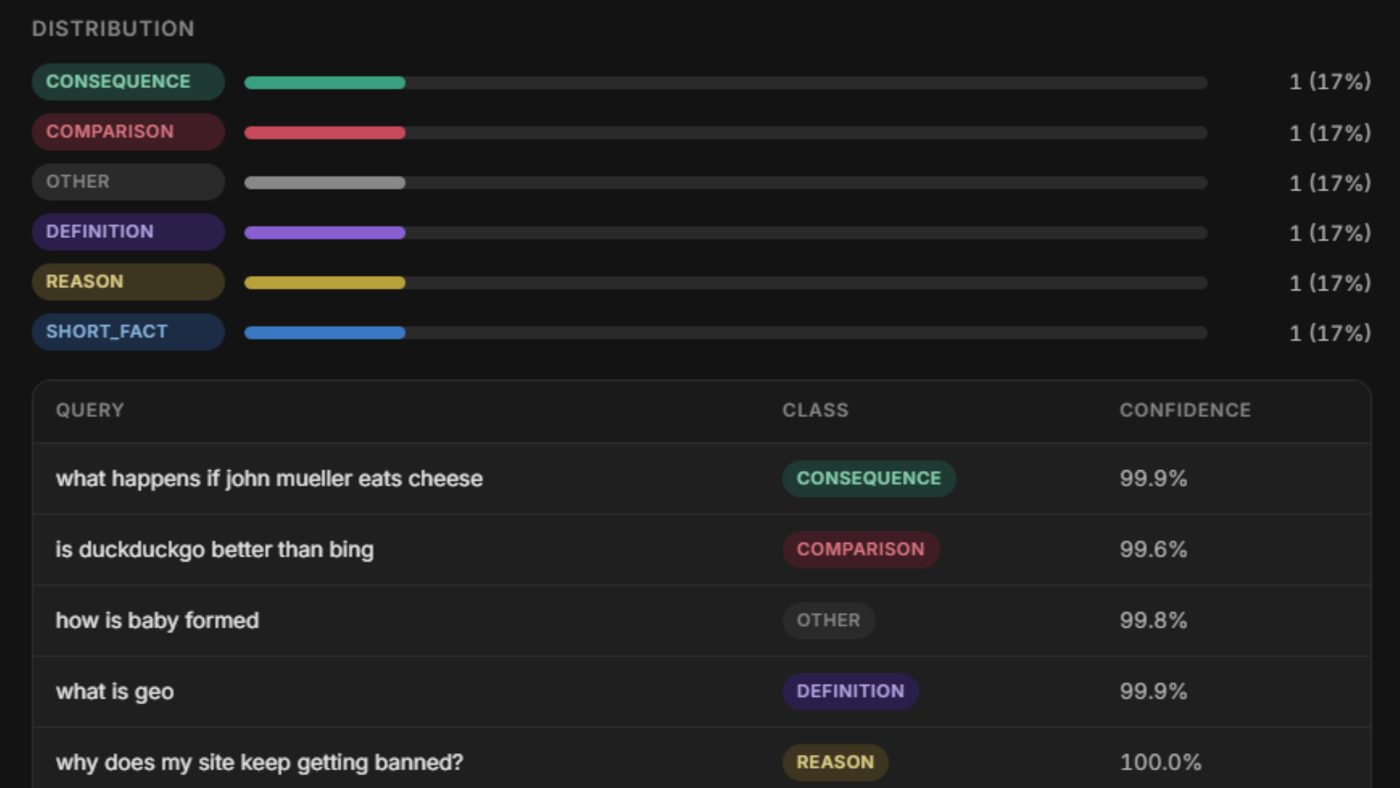
Getting ChatGPT Fan Outs First
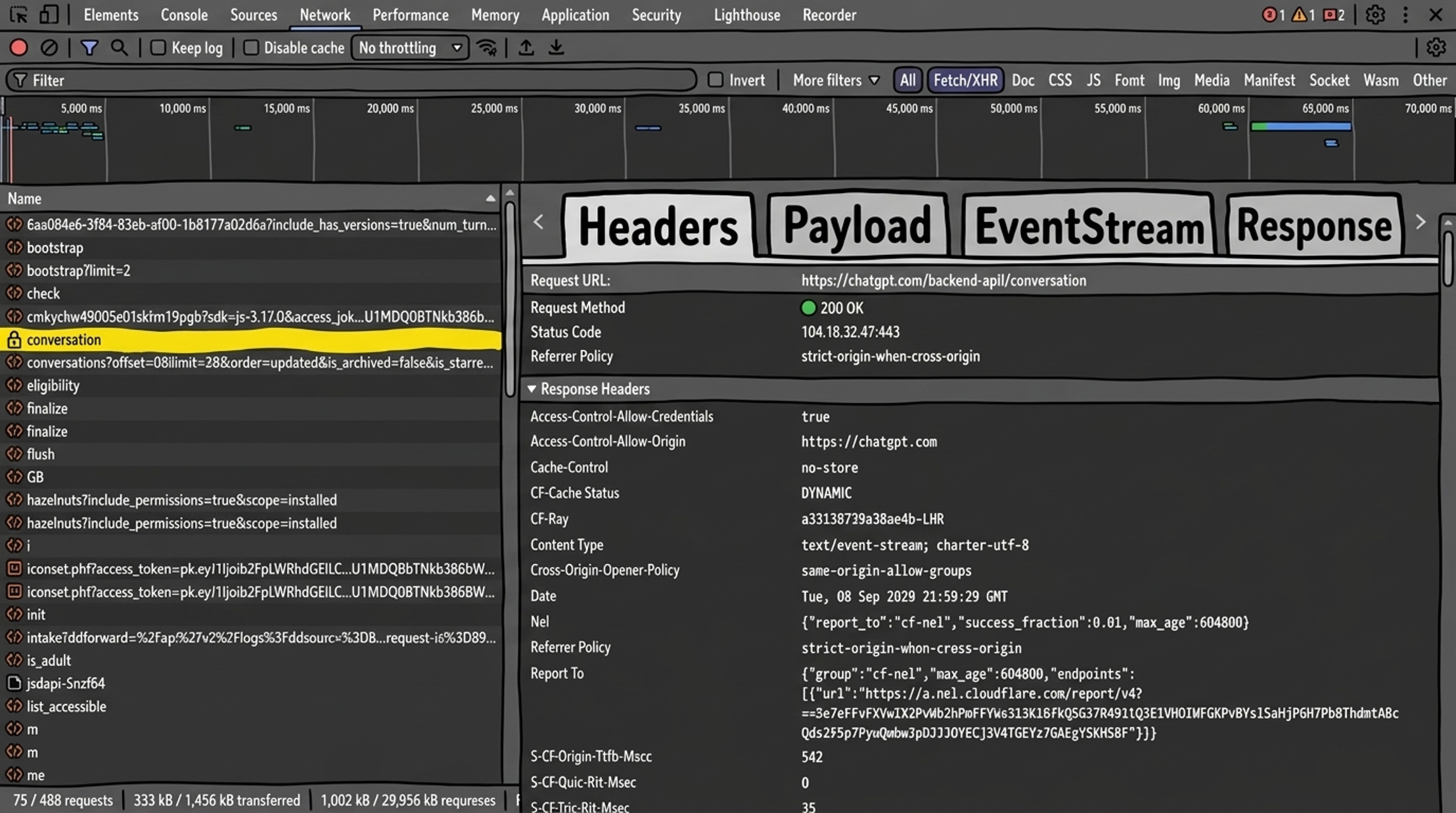
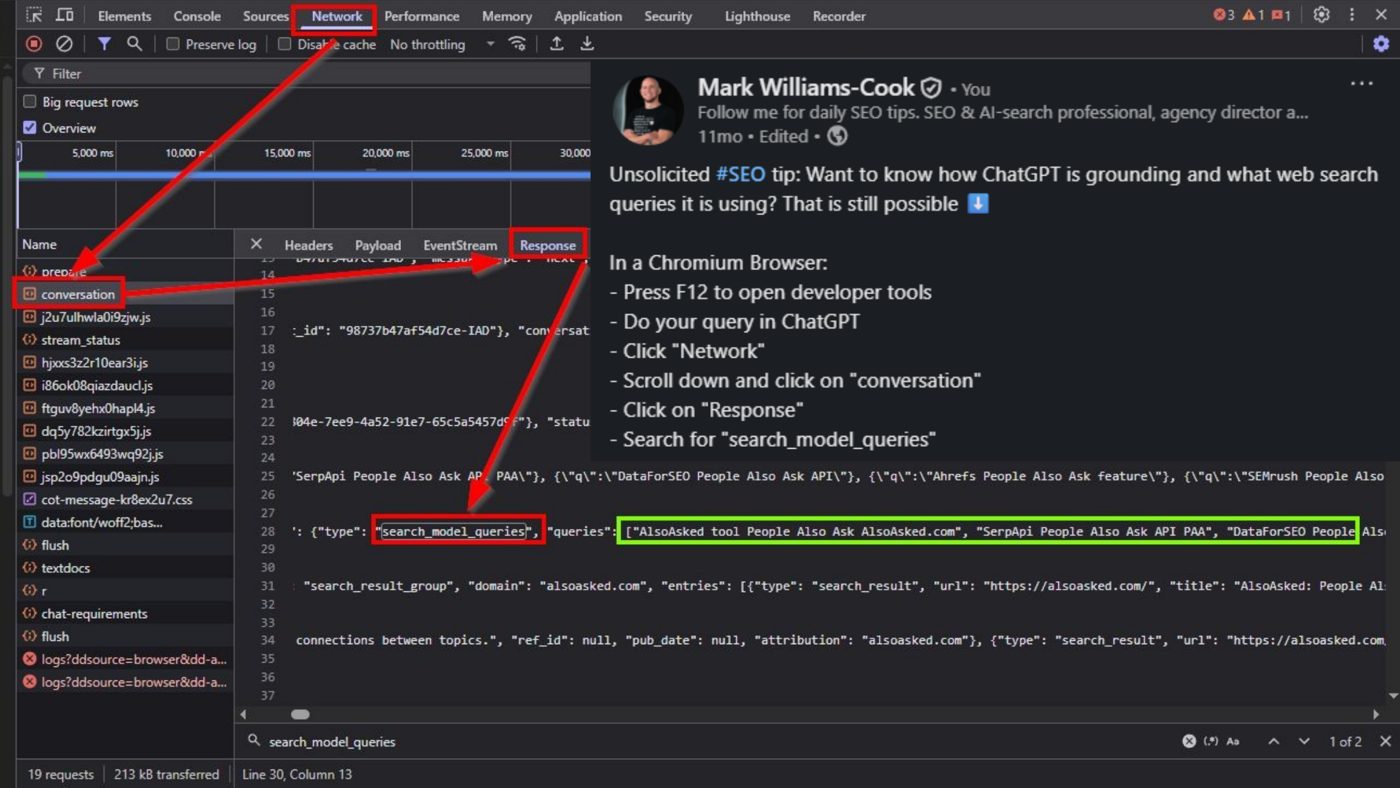
I have been doing this kind of manual analysis for years. Over a year ago, I was posting tips on how to watch ChatGPT's fan out queries in the Network tab: Open the conversation request, look at the Response, and search for. The search implication is whether the section improves the evidence around the page, not simply whether it adds more wording. Clear entities, crawlable structure, internal links, and useful context are what make the topic easier to evaluate.
Now You Can Vibe Code Your Way to This
Fortunately(?), we now live in a world of vibe coding, which means you no longer have to do all of this by hand. My weapon of choice is Perplexity Computer, Perplexity's agent orchestration system. I gave it what Gen Z would describe as a. The measurement question is whether this signal changes a decision, not whether it adds another number to a dashboard. Useful reporting connects visibility, engagement, and business outcomes without pretending every AI influenced journey will produce a clean click path.
Getting Around the Scraper Bouncers
When you are playing this kind of game at scale, there is a problem you will run into quickly: getting blocked. Google blocks you. ChatGPT blocks you. Automated browsers driven by vibe coded scripts are not subtle, and the platforms have. Local visibility depends on whether the details across pages, profiles, categories, reviews, photos, and service descriptions reinforce the same answer for a specific location based query.
The operational question is whether the public business data is complete enough to support the query. Hours, categories, services, reviews, photos, and page content need to reinforce each other so Google can understand the business in a specific situation, not only as a generic listing.
What FanoutFox Data Showed
Introduction Every time you use a website like Google or ChatGPT, your browser and a collection of backend services have a long and surprisingly candid conversation about what you asked for. That conversation sits in plain sight in the. For search teams, the important part is not the headline movement by itself. It is whether the shift changes which communities, forums, video surfaces, or publisher pages now satisfy the query better than the old ranking pattern.
What the visibility signal actually changes
What the visibility signal actually changes: wiretapping the SERP: Reverse Engineering Network Data: the Practical Angle should be treated as a visibility signal, not a standalone headline. Introduction Every time you use a website like Google or ChatGPT, your browser and a collection of backend services have a long and surprisingly candid conversation about what you asked for. That conversation sits in plain sight in the Network tab of Chrome. This connects with Not the Outputs) when the same signal needs a clearer operating decision. A useful companion note is Not the Platforms Selling It, because it looks at a nearby part of the same system.
What the visibility signal actually changes: the practical question is whether the page, brand evidence, and surrounding content make the answer easier to trust. If that support is weak, search systems can still understand the topic but fail to connect it confidently to the brand.
What the visibility signal actually changes: that is why the response should begin with an audit of the evidence already on the site before creating a new asset. The fastest improvement is often a clearer page, a better internal link, or a stronger explanation of why the brand belongs in the answer.
Comments
Comments are reviewed before they are published. Links are not allowed inside comments.