AI Crawler Optimization Needs More Than Access Rules
/ 6 min read

Summary
A practical view on AI Crawler Optimization Needs More Than Access Rules, focused on the signal to inspect, the risk to avoid, and the decision it should change.

Why AI Crawlers Matter for Modern SEO
AI crawlers are no longer just a niche tool, they’re becoming the backbone of how search engines interpret and rank content. Unlike traditional crawlers that rely on static HTML, AI systems like Google’s Gemini or Bing’s AI models process text, images, and even video to understand context, intent, and relevance. This shift means your website’s structure, accessibility, and metadata must evolve to meet these new standards. If you’re not optimizing for AI crawlers, you’re essentially building a digital fortress that’s invisible to the algorithms shaping your audience’s experience.
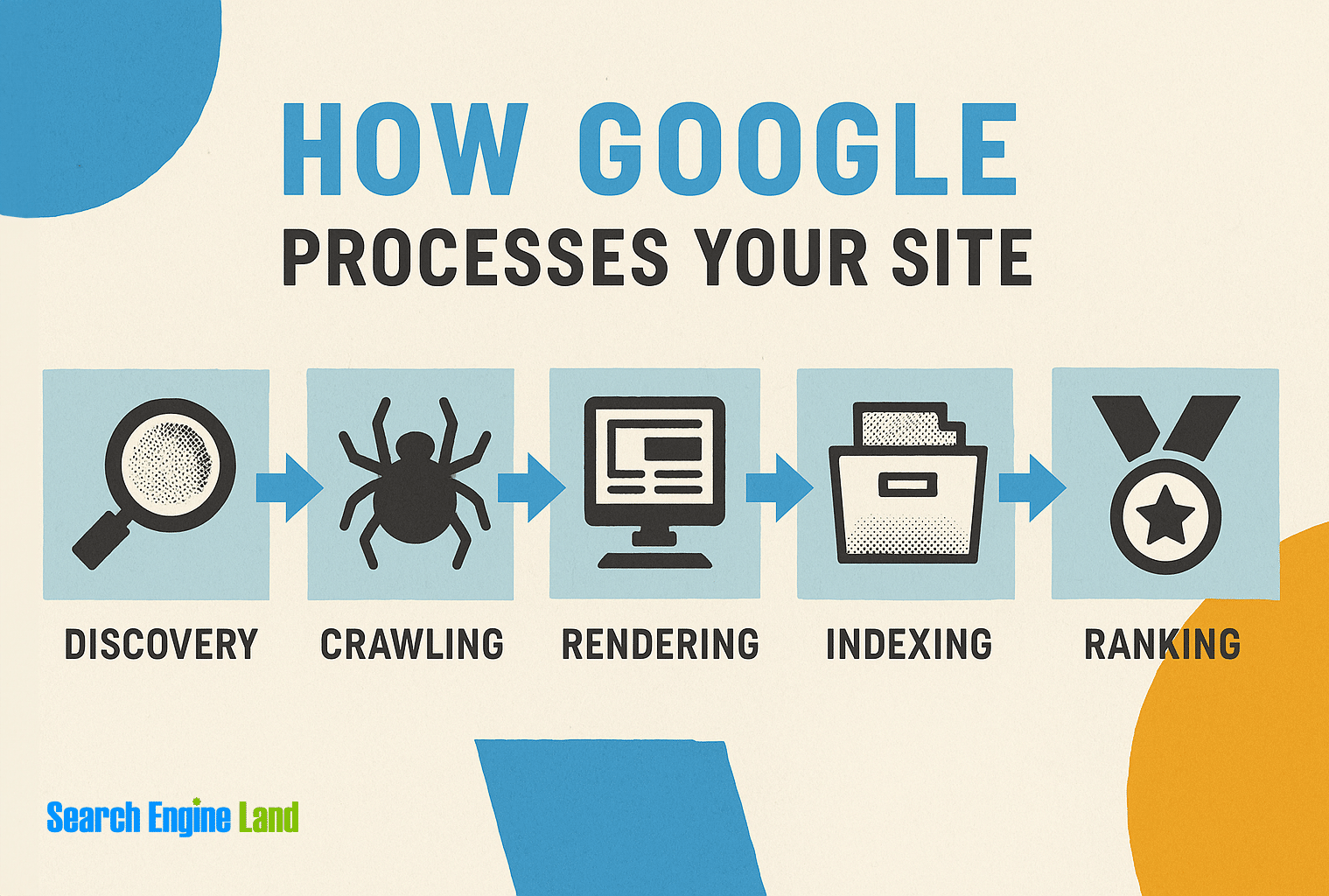
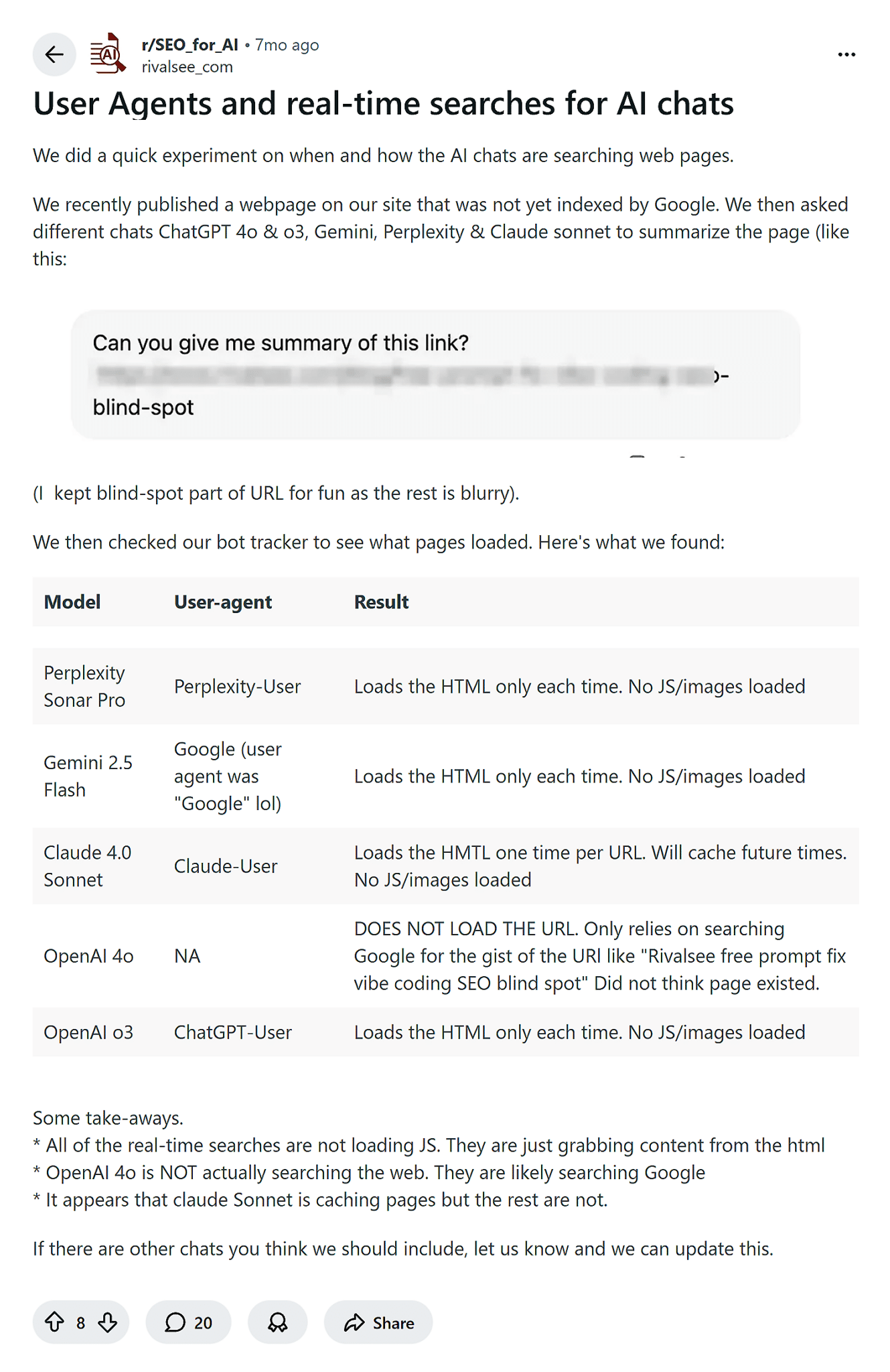
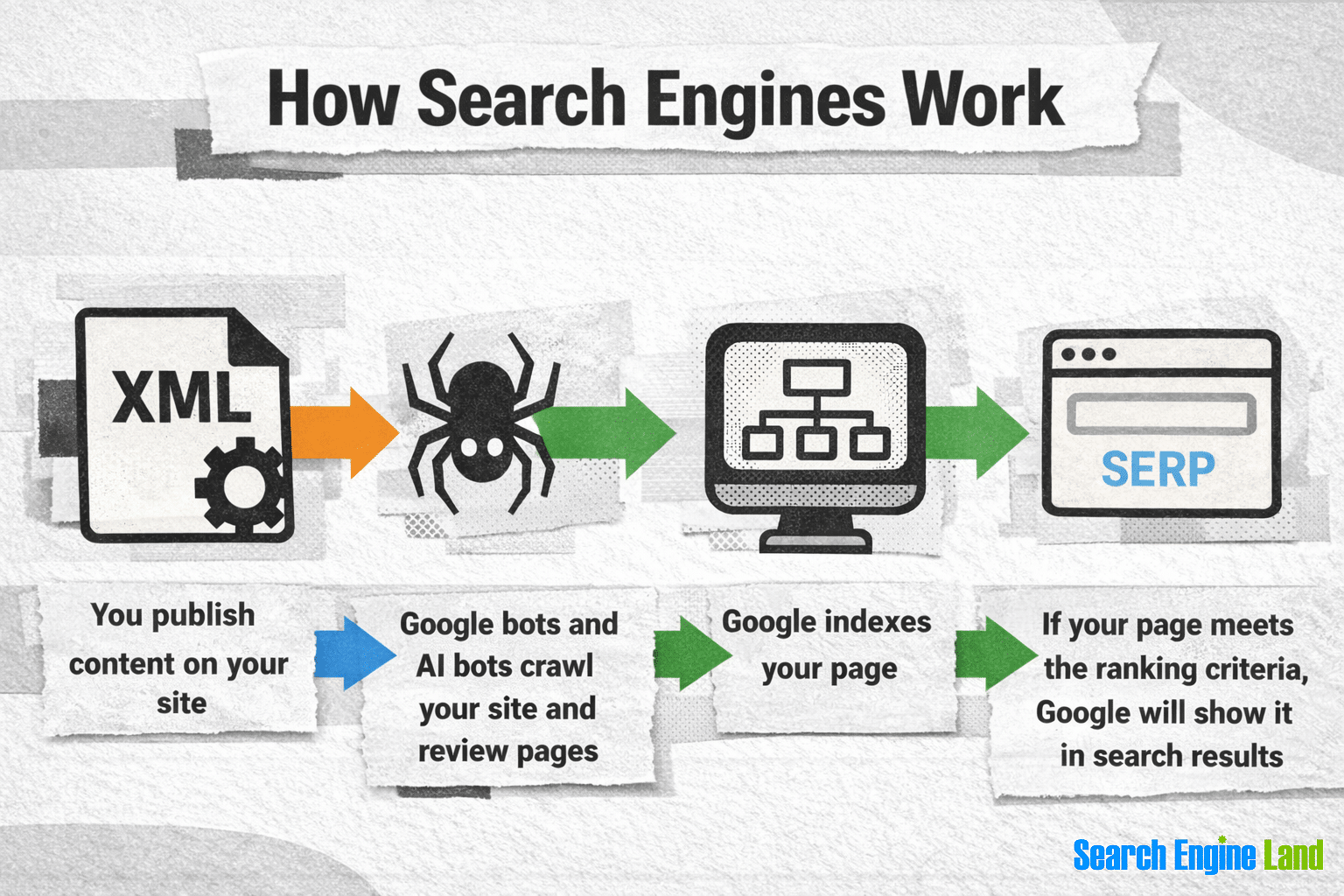
Consider this: AI crawlers don’t just scan pages, they analyze how content is organized, how it connects to other pages, and even how it’s presented in multimedia formats. For example, an AI might prioritize a blog post with clear headings and structured data over one buried in a poorly organized PDF. This means your SEO strategy must now include not just technical SEO, but also content architecture and accessibility. The goal is to make your site as intuitive and navigable as a human would expect, while also providing the raw data AI systems need to process your content efficiently.
Master the Basics: Robots.txt and X-Robots Tag
Robots.txt has long been the standard for controlling crawler access, but AI crawlers require more nuanced handling. While traditional crawlers follow robots.txt rules to determine which pages to index, AI systems often need explicit guidance on how to process specific content types. For instance, if you have a directory of images or videos that you don’t want indexed, robots.txt can block access. However, AI crawlers might still attempt to parse these files, so you need additional tools to manage their behavior. A useful companion note is SEO Is Still About Durable Signals, because it looks at a nearby part of the same system.
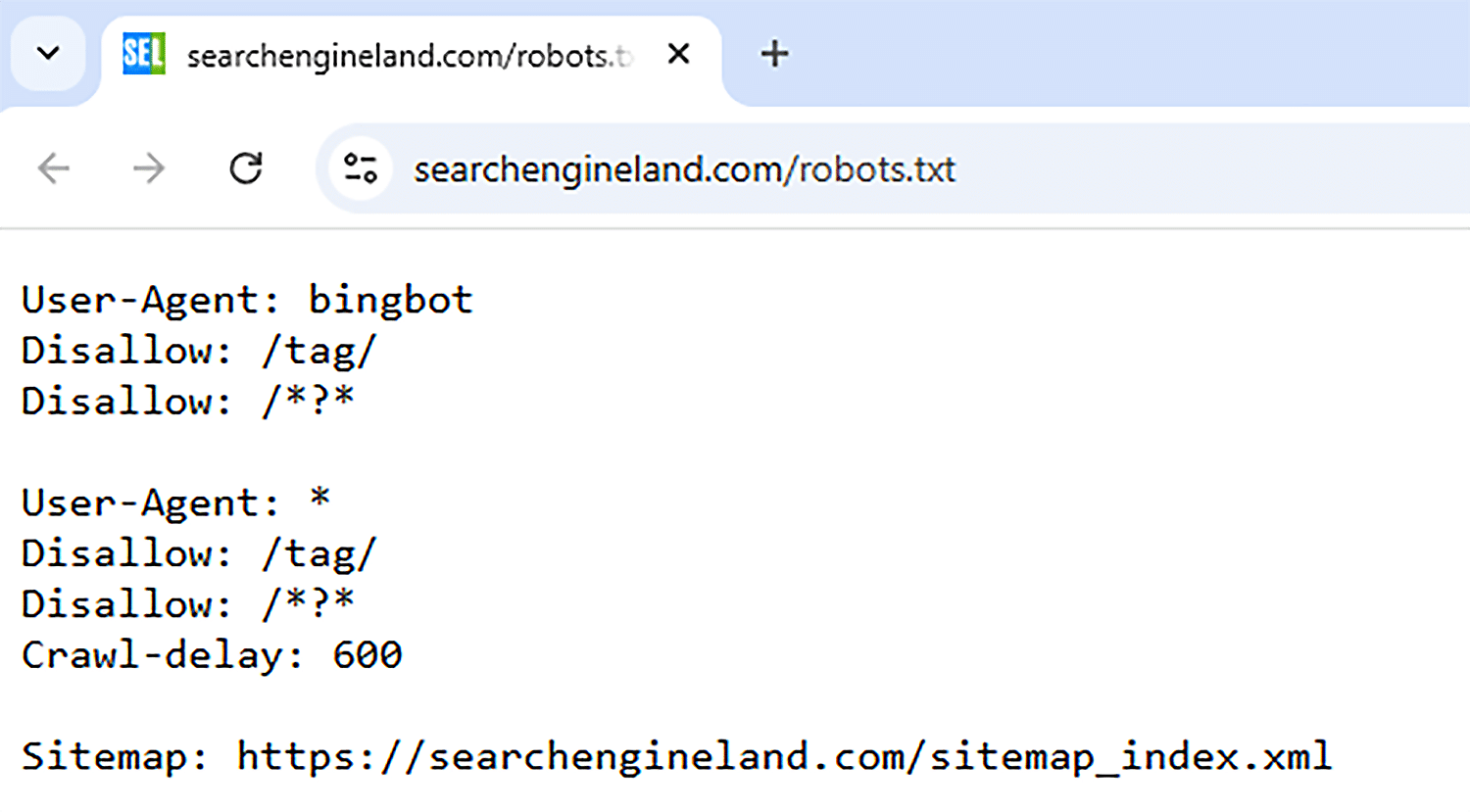
The X-Robots Tag is a powerful solution here. By adding this meta tag to your HTML, you can instruct crawlers on how to handle specific pages or content types. For example, setting `X-Robots Tag: noindex` on a page prevents it from being indexed, while `X-Robots Tag: nofollow` stops crawlers from following links on that page. This is especially useful for pages like contact forms, login screens, or internal documentation that shouldn’t appear in search results. Combining robots.txt with X-Robots Tag ensures both traditional and AI crawlers respect your site’s structure and priorities.
Go Beyond Text: Use llms.txt for AI Specific Instructions
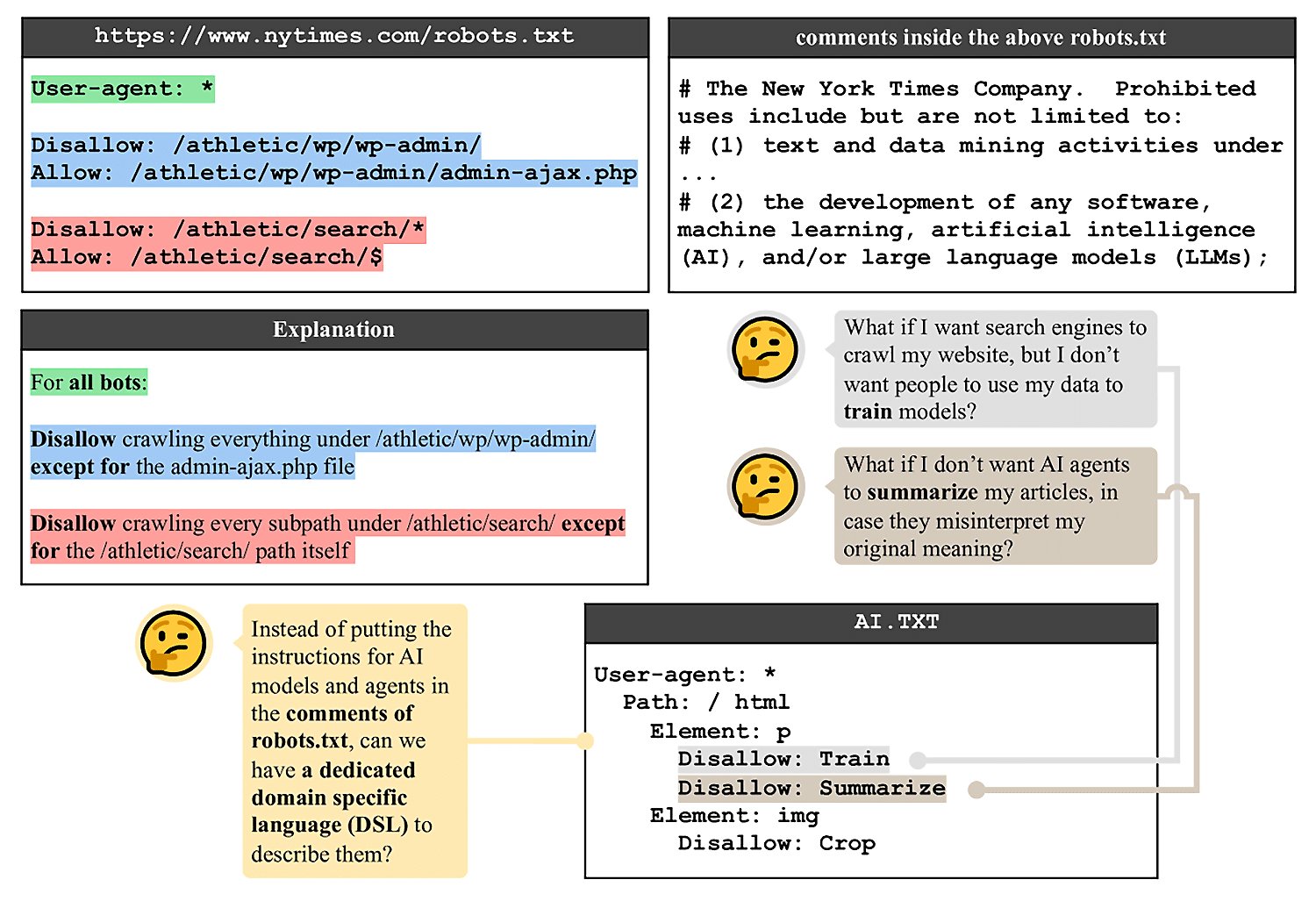
While robots.txt and X-Robots Tag are essential, they’re not enough for AI crawlers. These systems often require more granular control over how content is processed, especially when dealing with non text formats like PDFs, images, or video. Enter llms.txt, a file format designed to guide AI crawlers on how to interpret and index your content. Unlike robots.txt, which is a standard for traditional crawlers, llms.txt is a newer, more flexible format that allows you to specify how different content types should be handled.
For example, you can use llms.txt to tell an AI crawler to prioritize text over images in a PDF, or to extract metadata from video files. This is particularly useful for content that’s rich in multimedia but lacks structured data. By creating an llms.txt file in your root directory, you’re essentially giving AI crawlers a roadmap of how to process your site’s content. This not only improves indexing efficiency but also ensures that your content is interpreted correctly, reducing the risk of misclassification or poor ranking.
Optimize for Accessibility: Make Content Easy to Parse
AI crawlers rely on structured data to understand your content, so making your site accessible is critical. This means ensuring that all content, whether text, images, or video, is properly tagged and formatted. For instance, using semantic HTML (like `
`, ``, and ` `) helps crawlers understand the hierarchy of your content. Similarly, adding alt text to images and captions to videos provides context that AI systems can use to interpret your content more accurately. Accessibility also extends to how your content is organized. AI crawlers often look for patterns, such as consistent navigation menus, clear headings, and logical page structures. If your site is a maze of poorly labeled sections, even the most advanced AI might struggle to extract meaningful insights. To improve accessibility, consider using tools like Google Search Console to audit your site’s crawlability and identify areas where content might be misinterpreted. ensuring that your site is mobile friendly and loads quickly can also enhance how AI crawlers process your content, as performance issues can lead to incomplete or inaccurate indexing. Use Tools Like Google Search Console and Semrush One for Auditing
While technical SEO tools like Google Search Console and Semrush One are already staples for traditional SEO, they’ve evolved to support AI crawlers as well. Google Search Console, for example, now includes features that help you monitor how your site is being indexed by AI systems, including insights on how content is being interpreted. This can be invaluable for identifying issues like misclassified content or pages that aren’t being parsed correctly. The same pattern also shows up in Technical SEO Problems That Quietly Limit Growth, where the practical question is how the signal becomes visible.
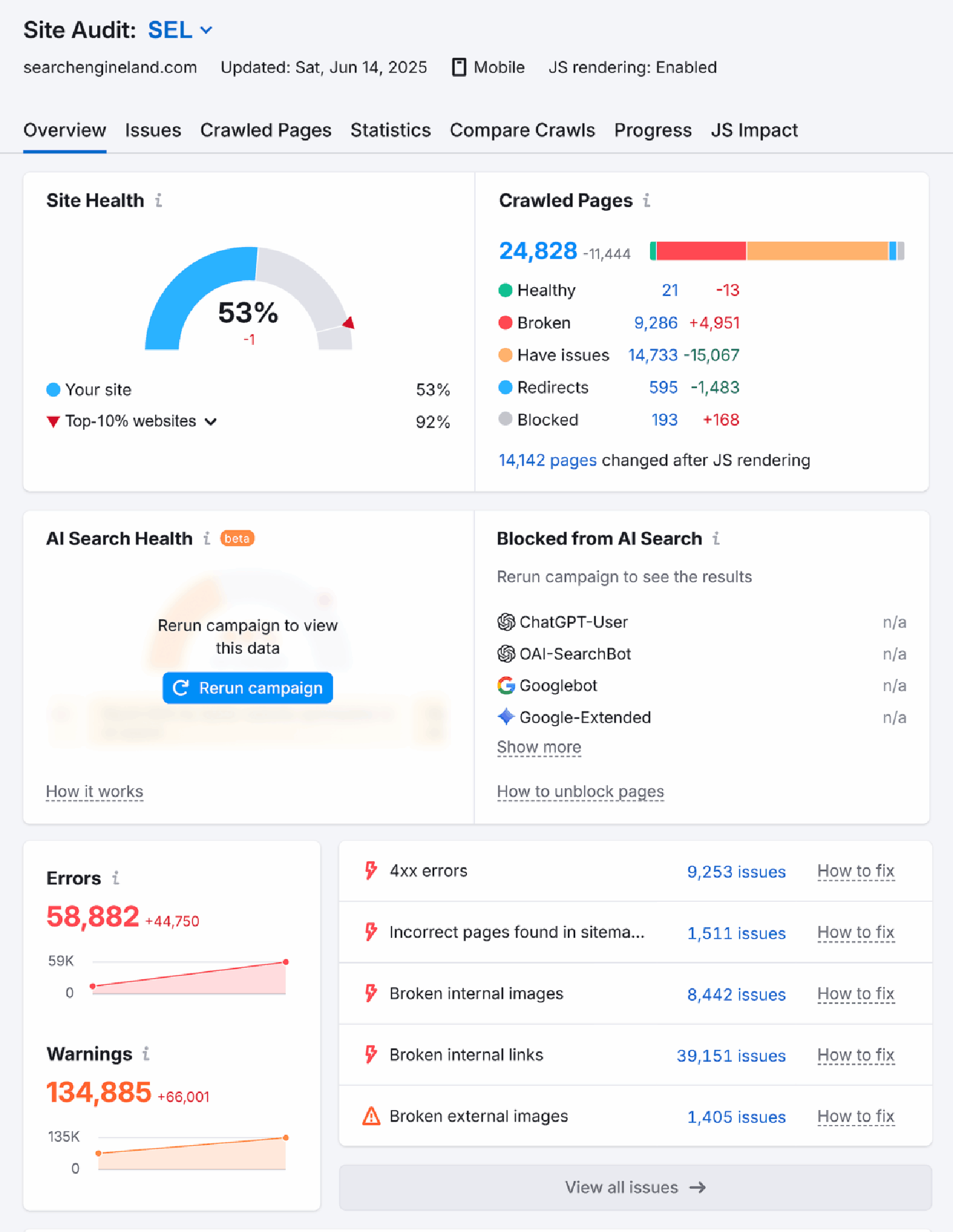
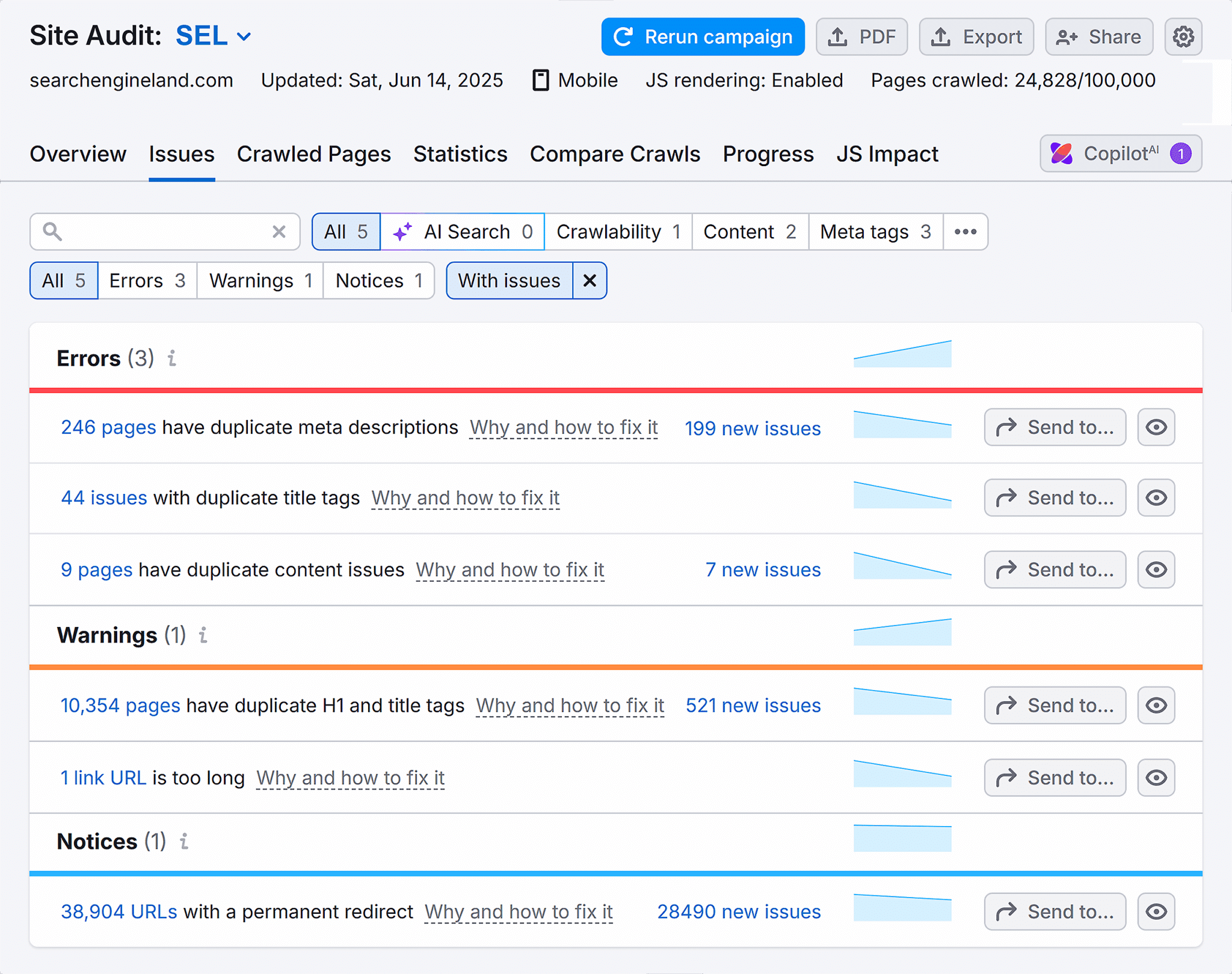
Semrush One, on the other hand, offers advanced tools for analyzing how your content is being processed by AI crawlers. Its AI crawlability report can highlight pages that might be overlooked or misinterpreted, allowing you to make adjustments before they impact your rankings. These tools are particularly useful for large websites with complex structures, as they provide a clear picture of how AI crawlers are interacting with your content. By leveraging these tools, you can ensure that your site is not only accessible but also optimized for the specific needs of AI systems.
Pay Per Crawl: A New Frontier in AI SEO
As AI crawlers become more sophisticated, some companies are exploring pay per crawl models, where you can request specific crawls of your site for a fee. This is particularly useful for content that’s time sensitive or requires high accuracy indexing, such as product listings or news articles. While this approach isn’t yet mainstream, it’s worth keeping an eye on as it could become a key strategy for ensuring your content is prioritized by AI systems.
Pay per crawl services often provide detailed reports on how your content was processed, including insights on which sections were parsed correctly and which might need refinement. This level of detail can be invaluable for fine tuning your site’s structure and content to better align with AI crawler expectations. While it’s an additional cost, the potential benefits, such as improved visibility and more accurate indexing, could justify the investment, especially for high traffic or high stakes websites.
Conclusion: Future Proof Your Site for AI Crawlers
Optimizing for AI crawlers isn’t just about technical tweaks, it’s about rethinking how your content is structured, formatted, and presented. By combining traditional SEO practices with new tools like llms.txt and pay per crawl services, you can ensure your site is both accessible and efficient for AI systems. As these technologies continue to evolve, staying ahead of the curve will be essential for maintaining visibility and relevance in an increasingly AI driven digital landscape.
Start by auditing your site with tools like Google Search Console and Semrush One, then implement llms.txt to guide AI crawlers. Finally, consider pay per crawl services for high impact content. By taking these steps, you’ll not only improve your site’s performance but also future proof it against the next wave of AI driven SEO strategies.
Comments
Comments are reviewed before they are published. Links are not allowed inside comments.